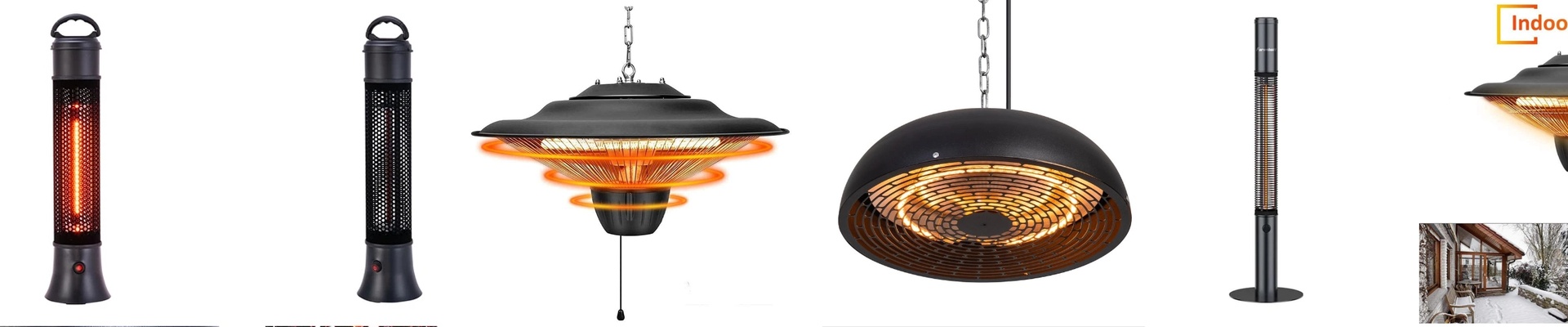
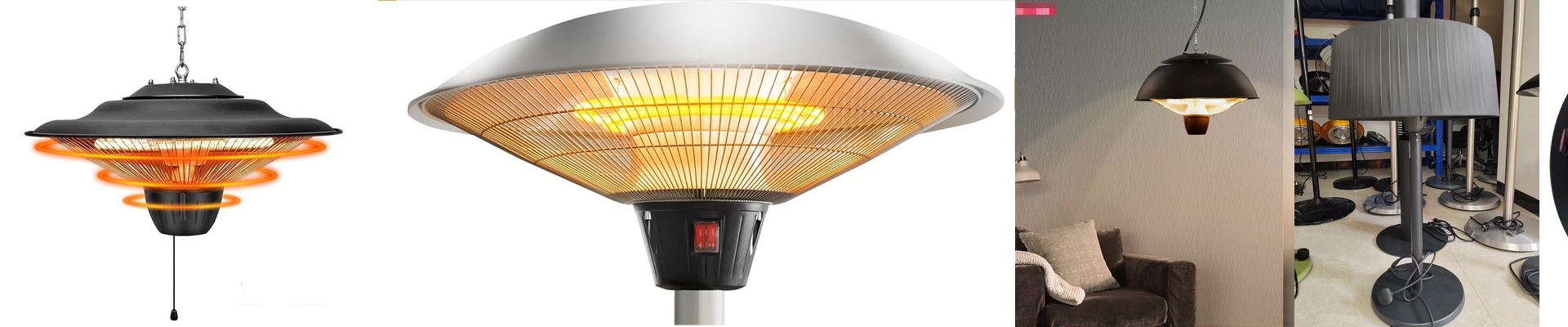
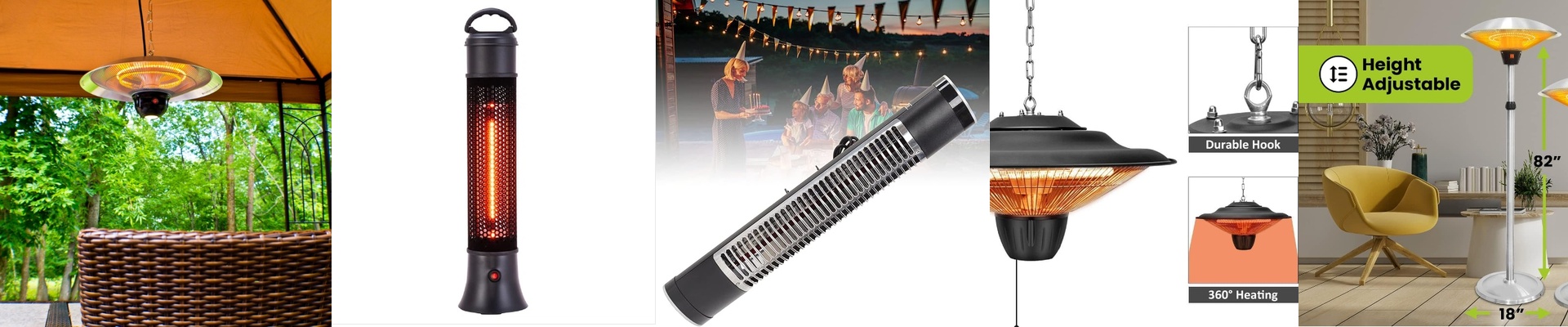
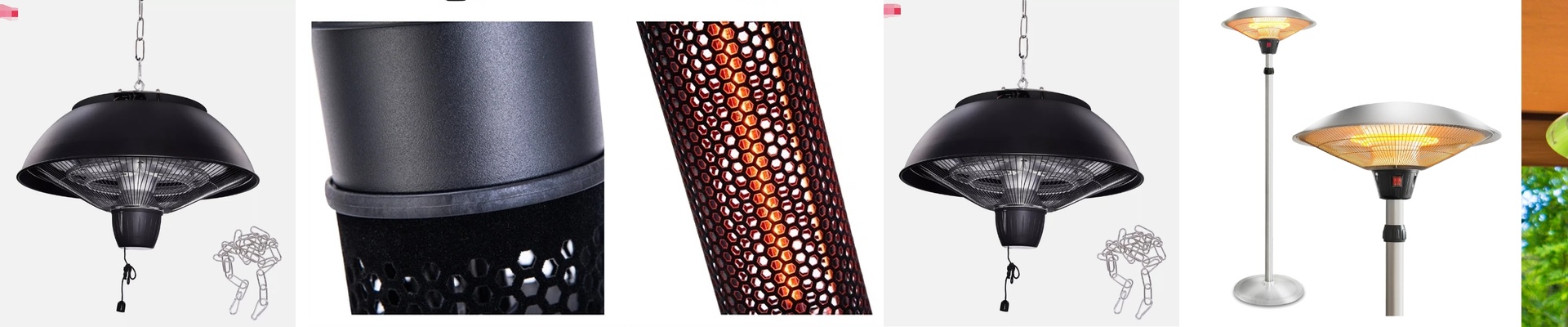
Winter turns the greenhouse into a quiet fight. The air bites, seedlings stall, and early harvests slip away with every degree the temperature drops. Forced-air heaters kick up dust and dry everything out, yet the cold still settles where you need warmth the most.
What matters, technically
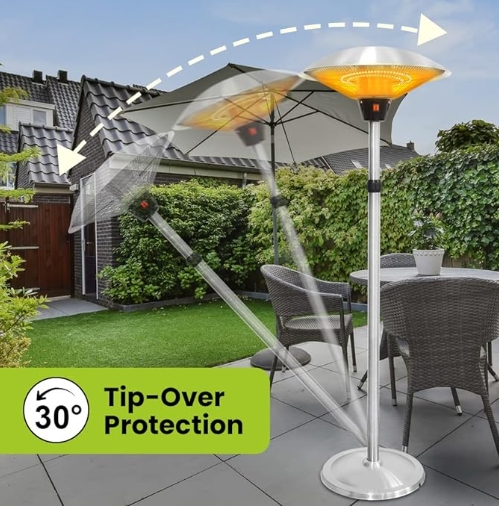
Infrared electric heaters work the way the sun does—radiating heat directly to people, plants, and surfaces, not to the air between. In a greenhouse, you size the output to the space: a 1500W unit with a carbon fiber element or a quartz tube puts out long-wave infrared that penetrates gently, without scorching foliage. You get warmth on demand, and a built-in thermostat keeps it under control. It runs quietly, needs no fuel lines, and plugs into a standard 120V outlet. If the greenhouse stays damp, look for an IP rating that can handle moisture, plus tip-over protection and a protective grille for peace of mind.
Why this works in a greenhouse
The payoff is practical, and it’s personal. Plants respond to steady warmth at root level, so growth cycles stay on track even when the night dives. You feel it, too—infrared warmth encourages circulation and eases the stiffness that comes with cold, so winter gardening feels less like a chore. Because the heat is aimed where you need it, you’re not wasting energy heating empty air. The greenhouse becomes a calm, workable room where life thrives, and you can move comfortably without piling on bulky layers.
The details that make the difference
Clearance matters. Keep the heater at least three feet from plants, mulch, and anything flammable, and stick to the spacing in the manual. Infrared heats surfaces first, so pair the unit with a gentle circulation fan to even out the microclimate. In a larger greenhouse, plan on multiple units to avoid cold spots. If you’re running high-wattage heaters, check your circuit capacity and use dedicated outlets so you don’t end up chasing tripped breakers.
겨울철 온실은 조용한 싸움터가 된다. 공기는 차갑게 느껴지고, 묘목의 생장은 멈추며, 온도가 한 도씩 떨어질 때마다 조기 수확이 늦춰진다. 강제 공기 히터는 먼지를 일으키고 모든 것을 건조하게 만들지만, 가장 필요한 곳에는 여전히 냉기가 맴돈다.
기술적으로 중요한 점
적외선 전기 히터는 태양과 동일한 원리로 작동한다. 즉, 공기 중간이 아닌 사람, 식물, 표면에 직접 열을 방사한다. 온실에서는 공간 크기에 맞게 출력 용량을 선정한다. 탄소 섬유 요소나 쿼츠 튜브를 장착한 1500W 유닛은 잎을 태우지 않고 부드럽게 침투하는 장파 적외선을 방출한다. 수요에 맞게 즉각적인 온기를 제공하며, 내장된 온도 조절기가 이를 제어한다.
이 히터는 작동 시 소음이 적고, 연료 공급 라인이 필요 없으며 표준 120V 콘센트에 연결할 수 있다. 온실이 습기가 많으면, 습기 대응이 가능한 IP 등급과 함께 넘어짐 방지 기능, 보호 그릴이 있는 모델을 선택하는 것이 좋다.
온실에서 이 방식이 효과적인 이유
효과는 실용적이며 직접적이다. 식물은 뿌리 부위에 지속적인 온기가 유지될 때 반응하므로 야간 기온이 급감해도 성장 주기가 정상적으로 유지된다. 인체 또한 적외선 열기를 통해 혈액 순환이 촉진되고, 추위로 인한 근육 뻣뻣함이 완화되어 겨울철 원예 작업이 덜 부담스럽게 느껴진다.
열이 필요한 부위로 직진하므로, 빈 공간의 공기를 데우면서 에너지를 낭비하지 않는다. 온실 내부가 안정적인 작업 공간이 되어 생명이 원활히 성장할 수 있으며, 두꺼운 옷을 겹쳐 입지 않고도 편안하게 움직일 수 있다.
차이를 만드는 세부 사항
안전 거리는 중요하다. 히터를 식물, 멀치, 인화성 물질에서 최소 3피트 이상 떨어뜨리고, 사용설명서에 명시된 간격을 준수한다. 적외선은 표면을 먼저 가열하므로, 미세 기후를 균일하게 유지하기 위해 부드러운 순환 팬과 함께 사용하는 것이 권장된다.
대형 온실에서는 냉점 발생을 방지하기 위해 여러 대의 히터 설치를 계획해야 한다. 고출력 히터를 사용하는 경우 회로 용량을 확인하고 전용 콘센트를 사용하여 차단기 작동 문제를 예방해야 한다.