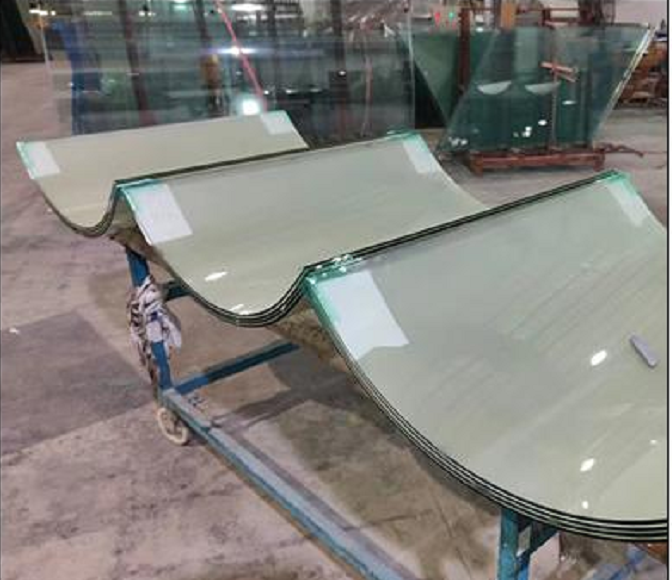
On the line, heat isn’t a luxury—it’s the constraint you live with every shift. In bending, tempering, lamination, and coating drying, the heating system isn’t just a heat source. It sets your cycle time, defines thermal uniformity, and directly writes the check on yield. When an infrared lamp isn’t held steady, aligned, and under consistent tension, you see it immediately: hot and cold bands across the glass, edge waves in bending, optical distortion after tempering, and weak adhesion in lamination. The mounting clip is not a minor part. It’s the physical link between your heating strategy and process stability. We built this infrared lamp mounting clip for glass plants where uptime, repeatability, and safety have to hold up shift after shift. It holds position through thermal cycling, resists drift, and keeps lamp-to-glass distance constant—so your heating profile behaves the same at 8:00 as it does at 10:00 at night.
What matters, technically
In glass processing, infrared heating only works when the energy is delivered with control. The clip has to support that control by holding alignment and managing heat leakage.
- Emitter compatibility and spectrum: The clip works with short-wave quartz emitters and medium-wave ceramic emitters—the ones you rely on for rapid response and localized heating. It also fits NIR (near-infrared) lamp systems where you need fast ramp-up for coating drying and preheating. The geometry minimizes shadowing and keeps the emitter face parallel to the glass.
- Stability under thermal cycling: In bending and tempering, the heater bank cycles hard—full power on, then rapid cool-down as parts enter and exit. The clip uses high-temperature polymers and spring elements that keep tension after repeated thermal shock, so lamp height doesn’t drift. Less drift means fewer heating-profile tweaks.
- Mounting and repeatability: The clip interfaces with the standard mounting rails and brackets used in bending ovens, tempering furnaces, autoclaves, and drying/curing tunnels. It gives fixed spacing and repeatable locking, so swapping emitters doesn’t turn into a measuring session. When you change a lamp, you want the same position back—without guesswork.
- Electrical safety and isolation: The clip keeps electrical connections away from the glass path and maintains clearance for terminals and ceramic insulators. That matters when you’re running high-current infrared lamps. A stable mount reduces the risk of terminal heating and connection loosening—the kind of issues that show up as intermittent heat or unplanned stops.
- Serviceability in real conditions: The clip is designed to be replaced quickly. In production, you don’t want to tear down an entire heater bank to swap one worn part. It handles vibration, thermal expansion, and routine handling without losing alignment.
Why it earns its keep in real processes
This clip earns respect where heat is applied under pressure—time, temperature, and geometry.
Heat bending: predictable sag, cleaner shape
In hot bending, the glass is heated until it yields and takes the shape you need. If the infrared field is uneven, the glass sags unevenly, and you get edge waves and optical distortion. The clip keeps lamp-to-glass distance consistent across the heating zone, so the temperature band stays tight and predictable. On the floor, that means fewer rejects and faster setup. When the geometry is repeatable, you can switch bend profiles with confidence.
Tempering and preheating: fewer stress cracks
Tempering depends on a controlled thermal gradient, and preheating has to be uniform before quench. Non-uniform heating creates thermal stress that can crack glass before quench, or leave uneven stress after tempering. The clip maintains parallelism and spacing, supporting a uniform thermal field. That stability matters even more with thick glass. Thick glass needs longer heating and a more stable temperature distribution. A mounting system that doesn’t drift under thermal cycling keeps heating repeatable across shifts.
Lamination curing: adhesion that holds
In EVA and SGP lamination, the adhesive has to cure with consistent heat across the entire sheet. If heat is uneven, you get weak edges, bubbles, and optical haze. The clip stabilizes the infrared emitter array so temperature across the glass stays within the adhesive cure window. The payoff is consistent bond strength and less rework. In autoclave lamination, the infrared preheat stage is critical—you need the stack at the right temperature before pressure hits. A stable mount keeps the preheat profile repeatable from batch to batch.
Coating drying: fast cure without pinholes and orange peel
Coating drying and curing demand rapid heat input without overshoot. If the emitter is too far, the coating cures slowly and traps solvents. Too close, and the surface dries too fast, giving you pinholes, orange peel, or micro-cracks. The clip locks the distance, so the drying curve is repeatable. On high-volume lines, that repeatability cuts scrap and keeps line speed where it should be.
Energy and downtime: less waste, fewer interruptions
Infrared heating is efficient when the energy is aimed where it needs to go. A poorly mounted lamp loses heat to misalignment and poor reflection, and the process compensates with higher power. The clip keeps the system aligned, so you can run at the designed power density. That reduces wasted energy and lowers the load on cooling and ventilation. Downtime usually comes from adjustment, troubleshooting, and replacement. The clip reduces those interruptions by making lamp changes fast and repeatable.
What you need to know to run it right
The clip is simple, but it has to match the machine and the operating conditions.
- Match the emitter type and power density: Short-wave quartz emitters run hotter at the surface and respond fast; medium-wave emitters give more uniform heating over a larger area. Make sure the clip material and geometry are rated for the emitter temperature and thermal expansion you’re running.
- Control lamp-to-glass distance: Infrared heating is sensitive to distance. Small changes can shift the heating profile more than you’d expect. Use the clip’s fixed positions and locking features, and document the setting for each product.
- Expect some thermal drift—then plan for it: Even with high-temperature materials, repeated heating and cooling cycles can induce minor drift. Schedule a quick check after lamp replacement and during changeovers. Two minutes of verification beats an hour of troubleshooting.
- Keep the mounting hardware in spec: Use the recommended fasteners and torque. In high-vibration areas, locking features matter. Under-torqued fasteners can loosen; over-torqued fasteners can damage the clip and shorten its life.
- Treat replacement as routine maintenance: The clip is a wear part. Inspect it during preventive maintenance and replace it on schedule, the same way you do with belts or seals. That keeps alignment stable and prevents surprises mid-run. If your plant runs bending, tempering, lamination, and coating drying on the same infrared platform, standardizing on one mounting clip across lines cuts setup variability. It’s a small change that pays off in consistent heating, fewer adjustments, and less scrap. In glass processing, heat only does its job when the control around it is solid. The infrared lamp mounting clip is the control point that keeps the heat on the glass—so your line runs the way it was designed to run.