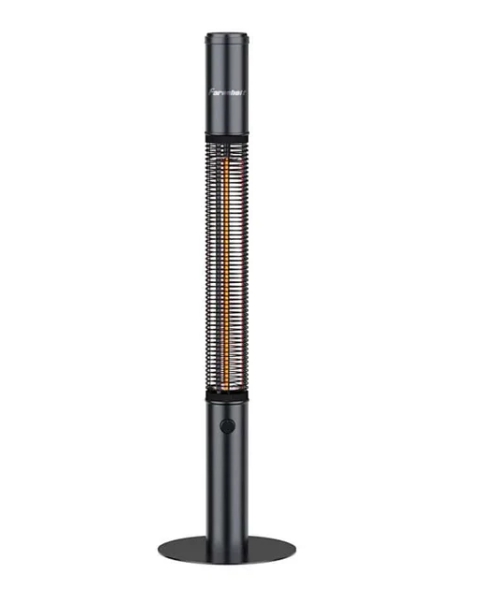
The 3D Flame Electric Heater: A Heat Solution That Actually Gets the Job Done
Let’s talk about a heater that’s built for the moments when you need heat, and you need it now. The 3D flame electric heater is a compact beast, designed for industrial work where you can’t afford to wait around. It’s all about focused, rapid heat. We packed it with a halogen-filled quartz tube that shoots out shortwave infrared, so you’re not warming up the whole room. You’re just hitting the exact spot that needs it.
Power in a Small Package
Here’s the thing about this heater—it’s seriously powerful. We set it up for 400V operation, which lets us cram a lot of wattage into a small space. You get 2500W of heat packed into a 300mm tube. That’s a lot of heat density. What does that mean for you? It means a lightning-fast warm-up and total control over those small, specific heating zones. And the best part? That 300mm length keeps the footprint tiny. It slides right into those tight spots in your machine without bumping into everything else.
Built to Last on the Shop Floor
This thing is a workhorse. The quartz envelope runs hot, but it runs clean. The halogen inside keeps the filament performance steady, so it doesn’t get flaky over time. Inside, a special coating helps manage the heat spectrum and prevents those nasty hot spots that kill other heaters. It’s a small detail, but it’s what keeps this one from burning out prematurely. And the wiring? A breeze. The R7s connector is a simple clamp-and-lock design. You line it up, tighten it, and you’re good to go. This heater was built to take the daily grind of the shop floor without complaining.
Where It Shines (And a Quick Reality Check)
This is the go-to for jobs like PET blowing or preheating plastics—any process where you need a fast response and a steady temperature. It’s designed as a drop-in replacement, so swapping it in is straightforward. Now, with all that power packed into a small space, there’s one thing to keep in mind. It runs hot, so it needs proper cooling and a little breathing room. Make sure you give it enough clearance so the surrounding components don’t start to sweat.