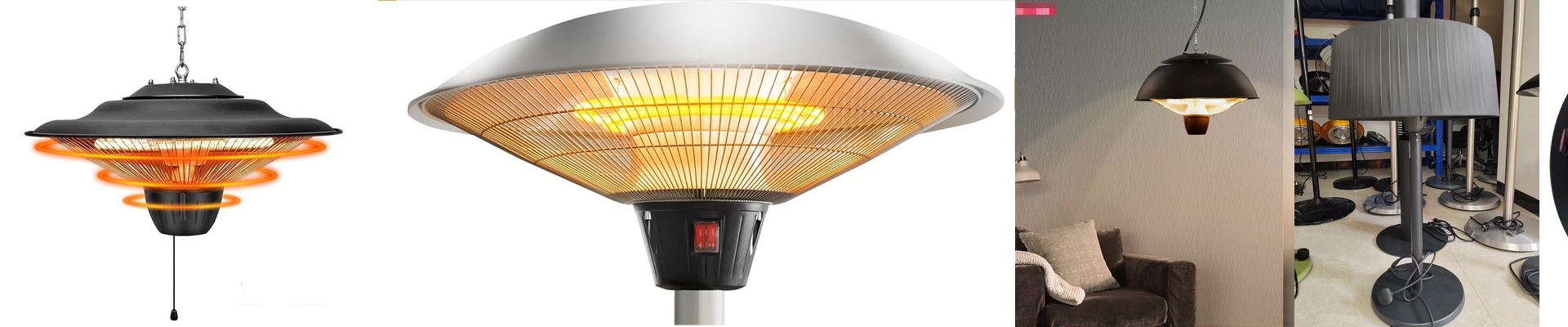
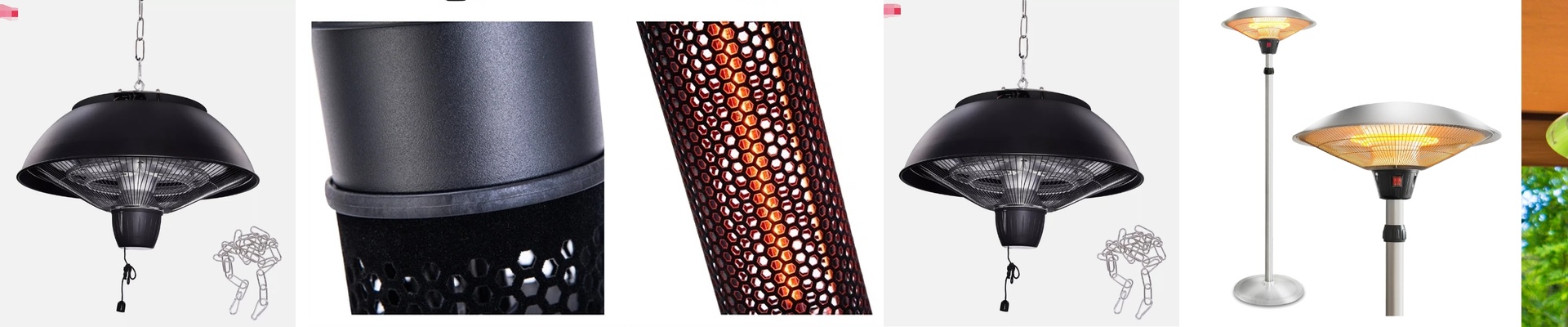
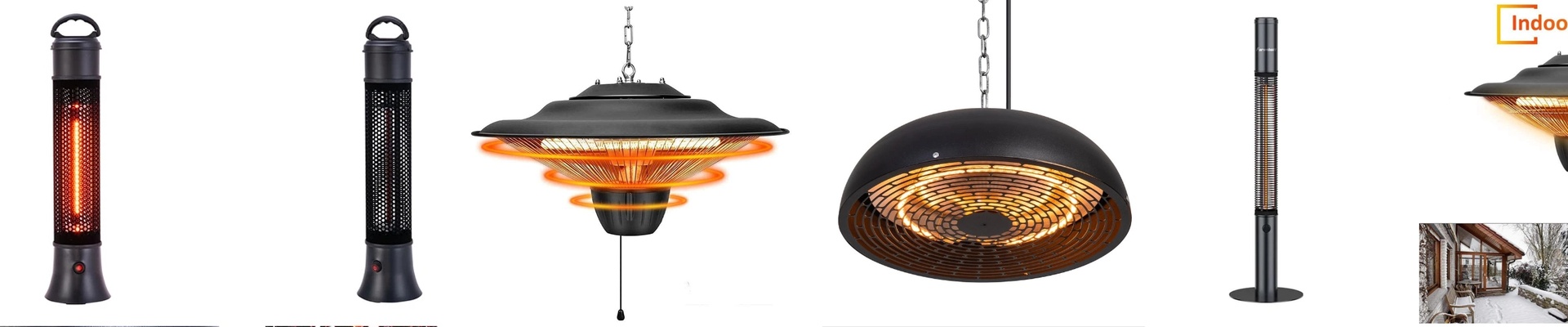
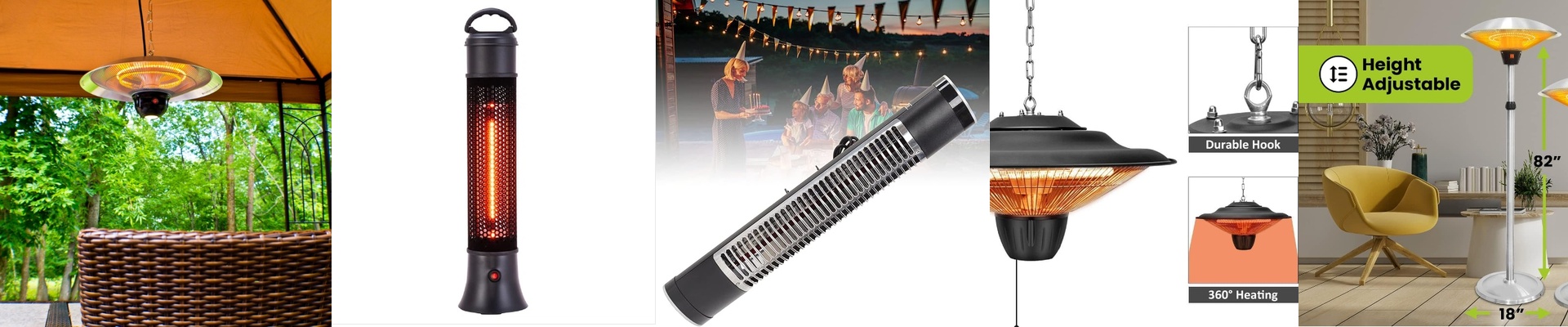
A loft sunroom sells you on sunlight all day and stars at night. It also hands you a thermal headache. All that glass bleeds heat fast, and forced-air systems just can’t keep up. When the warmth runs off, the room turns chilly and damp, and you stop using the space you paid for.
What matters, technically
We build under-tile infrared heaters around radiant heat, not warm air. The element turns electricity into infrared energy that travels in a straight line and warms people, floors, and furnishings directly—like the sun, without moving air. The comfort is even, with far fewer hot/cold swings. In practice, that means fast response. Flip it on and you feel the warmth quickly, because the heat lands where you feel it. Many under-tile models run on 120V or 240V configurations, and they’re meant to sit discreetly under finished surfaces. A thermostat controls the unit, so it holds a steady setpoint instead of running wide open.
Why it works in a sunroom
Under glass, the big loss is radiant heat escaping through the glazing. An under-tile infrared heater pushes back by warming the floor and the thermal mass in the room, creating a stable thermal floor that counters the cooling effect of the glass. That stability is what locks comfort in. Once the room hits the set temperature, the thermostat keeps the cycles steady, so you don’t get the roller-coaster of overshoot, shut-off, and sudden chill. You get a sunroom that stays usable—morning coffee, evening reading—without chasing the thermostat.
The details that make it work
Under-tile installation is clean and saves space, but it needs planning. The floor assembly has to accommodate the heater’s thickness and thermal expansion, and insulation below helps drive heat upward where you want it. A qualified installer should confirm load capacity, wiring, and control compatibility. One practical point: radiant heat performs best when the floor covering is compatible. Very dense coverings can slow the surface temperature rise, so matching the heater to the covering matters. Get that right, and the system runs quietly, holds temperature steadily, and turns your loft sunroom into a room you can actually live in year-round.