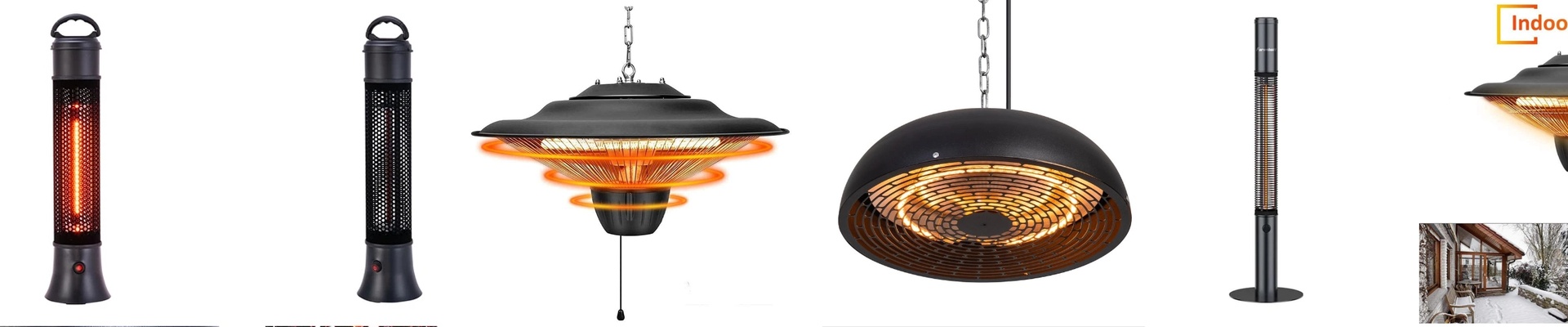

A nursery runs on quiet. And that quiet needs heat you can count on. When the power line hiccups—brownouts on cold mornings, surges after a storm—most heaters dim, cycle, or shut down. Infrared warmth vanishes, and you’re left adjusting blankets while the baby stirs. We built this baby room infrared heater around one simple expectation: heat should hold steady, even when the grid doesn’t. What matters under the hood Inside, it’s a carbon fiber element inside a sealed quartz tube. That gives you gentle radiant heat that warms people and surfaces directly, not just the air. The real differentiator is the voltage compensation circuitry. It watches line voltage continuously and adjusts power delivery to keep output consistent. In the field, that means it can handle wide swings without the element temperature collapsing. So you get fewer on/off jolts, quieter operation, and less thermal stress on the internals. Over time, that translates to more hours running comfortably and fewer trips to the repair bench. Why this works in a nursery Stability is comfort here. The heater lays down even infrared warmth that helps hold the crib area steady, so you’re not constantly chasing cold spots. Because the system resists voltage spikes and dips, it avoids the repeated thermal shock that kills heaters early. That means longer intervals between replacements and a more predictable routine for you. The outer surface stays at a lower temperature, and the unit includes tip-over protection and overheat protection—because peace of mind is part of the job. What to keep in mind This heater does best on a dedicated outlet to cut down on shared-circuit interruptions. It’s designed for indoor use, and it should sit away from water sources and soft furnishings so airflow and temperature control stay consistent. For full voltage protection, you need a properly grounded line. If your home sees frequent surges, pairing it with a quality surge protector is just smart practice. Steady warmth isn’t just comfort. It’s confidence.