Technical Deep-Dive: Power, Voltage, and Footprint
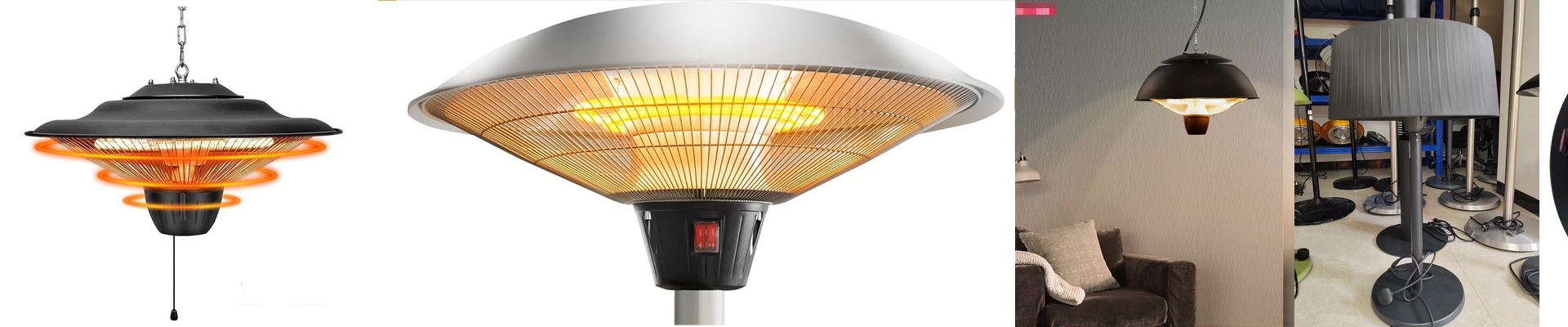
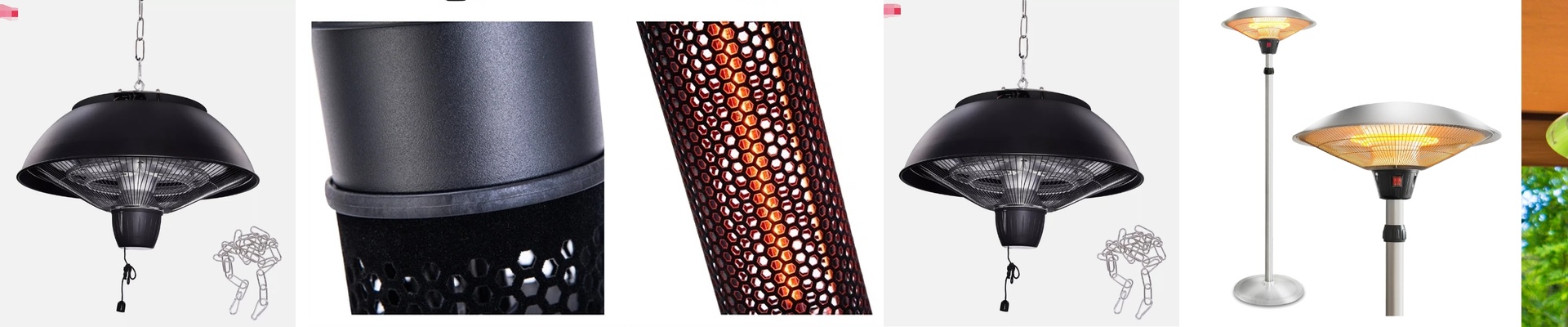
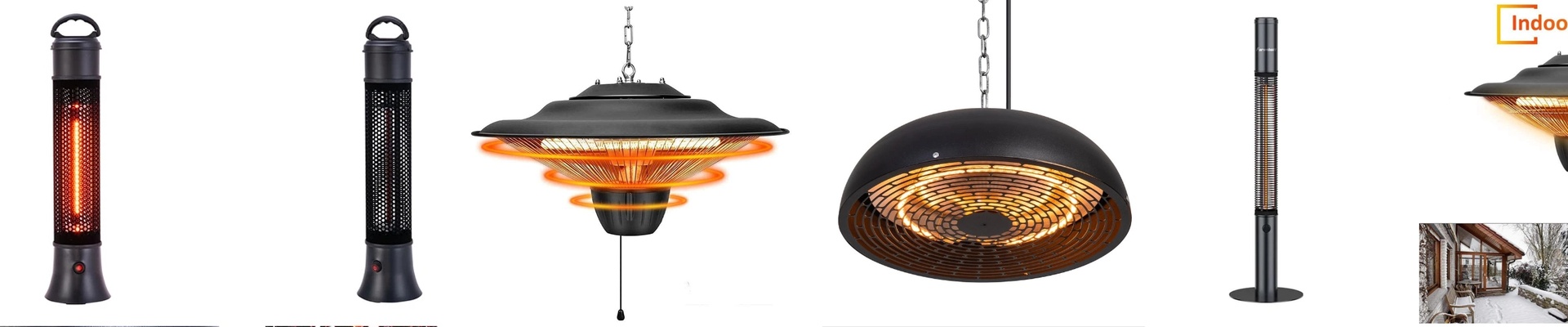
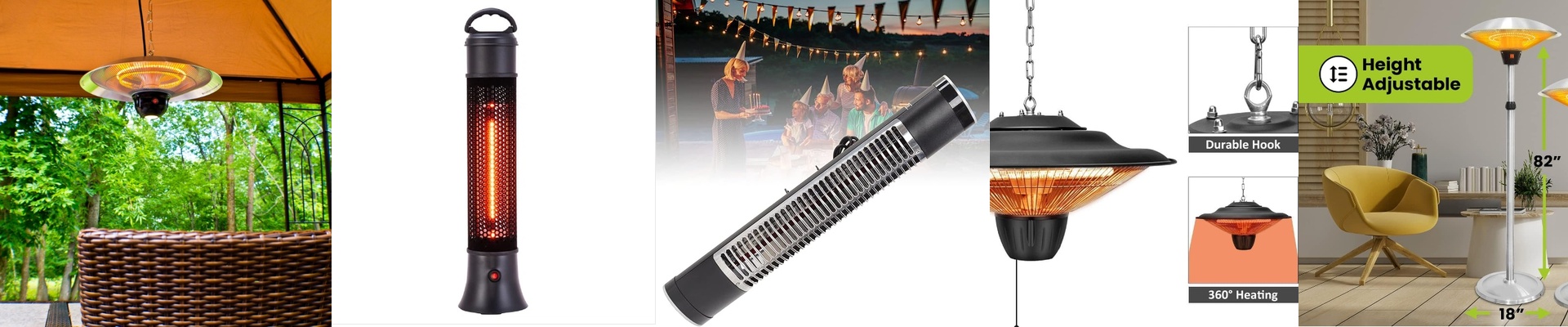
Let’s talk about packing a punch in a small space. We built these radiant panel heaters for exactly that—high-density heat where you just don’t have room to spare. Those specs—400V, 2500W, and a 300mm tube—weren’t pulled out of thin air. The 400V input is a smart move. It lets us run serious wattage on a single phase, which means simpler wiring and less strain on your control panel. And squeezing 2500W into a 300mm footprint? That gives you a serious blast of infrared heat per square inch. It’s exactly the kind of intense, focused power you need for fast-response jobs, like on PET blowing lines.
Material & Design: Quartz, Halogen, and Connectors
The heart of the heater is a halogen-filled quartz tube. The halogen chemistry keeps the filament stable, so you don’t get that blackening that kills output over time. And the quartz itself? It can handle the shock of rapid on-off cycling without cracking. For mounting, we went with an R7s connector. It’s a direct, two-pin drop-in replacement. It handles the 400V load and gives you a solid, industrial connection that won’t work itself loose, even with constant vibration.
Application & Benefits: Targeted Heat, Tough Duty
Out there on the shop floor, this setup is all about targeted heat and repeatable control. The shortwave infrared profile zeroes in on exactly where you need it, which cuts warm-up time and keeps your cycle times tight. It’s built tough for production, no question. But here’s the thing to remember: that 2500W density throws off serious ambient heat. So, your machine’s cooling and airflow have to be up to the task.