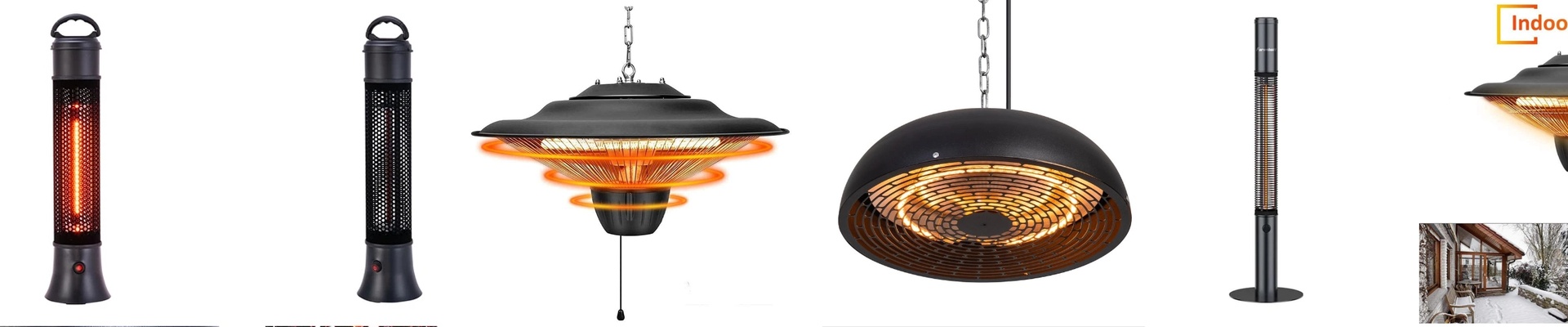
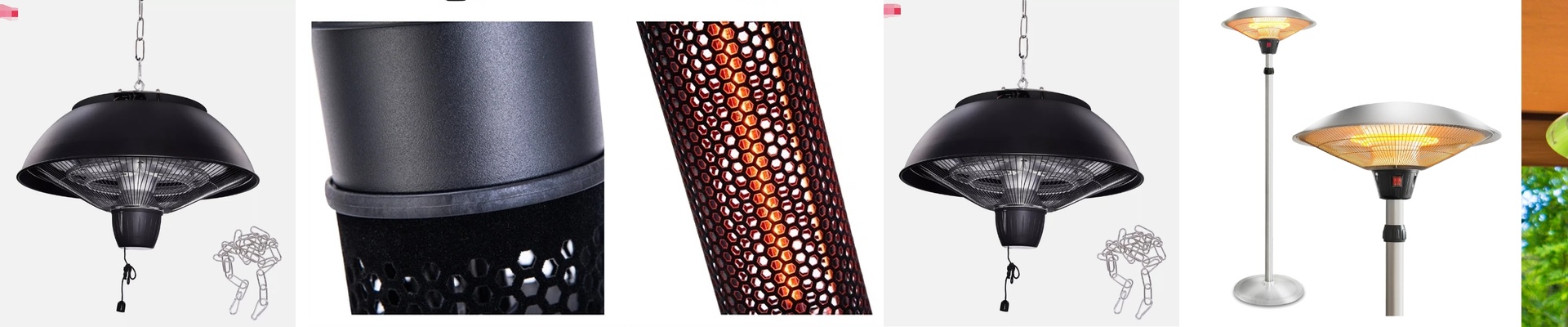
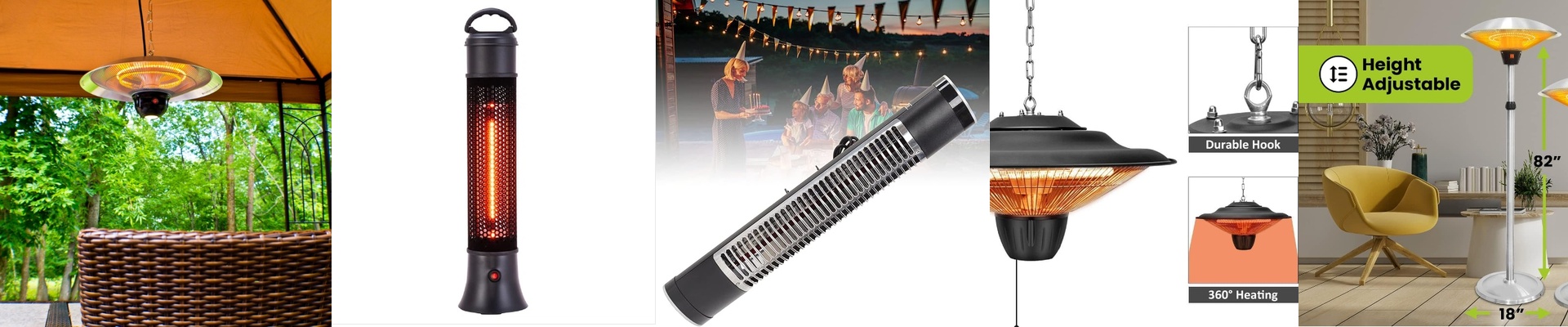
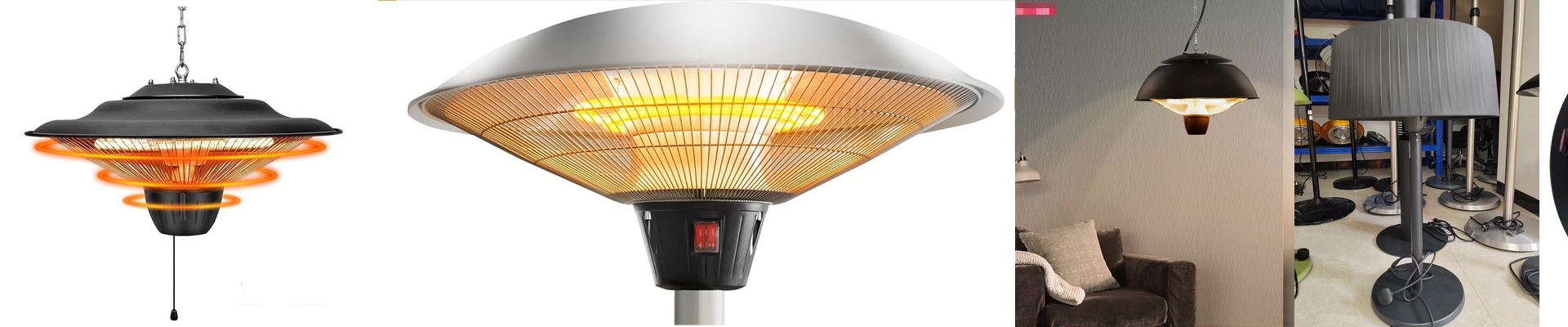
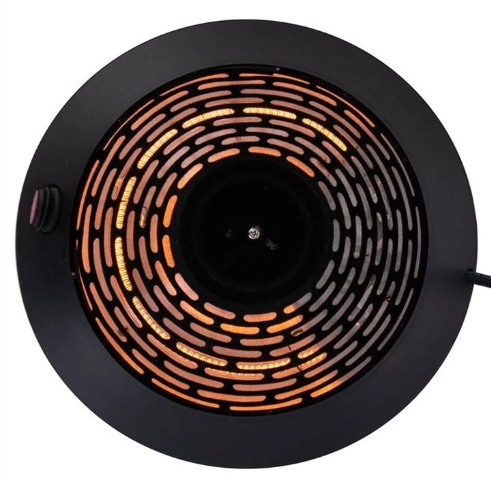
Outdoor evenings get cold fast. One minute you’re comfortable, the next you’re cutting the night short because the heater fogs up or throws a fault. We built this electric infrared blow heater to keep radiant warmth steady—even when the humidity climbs and a light drizzle starts. What’s actually under the hood The heart of the unit is a short-wave infrared element inside a sealed quartz tube, with a protected path for airflow. The quartz envelope takes thermal shock in stride, so rapid on/off cycling won’t crack it. Up front, a double-layer shield stops splashes while still letting the heat through. Inside, the electronics sit behind a conformal-coated board and gasketed seams, which is how the unit earns its IP55 rating. That means it can take water jets from any direction—mist and light showers can’t work their way into the critical bits. Air comes in through an anti-fog vent that cuts lens condensation, so output stays consistent and the lens stays clear. Why this matters in the real world Outdoors, fog and splash are what quietly kill heaters. Moisture leads straight to corrosion, insulation breakdown, and early failure. With the sealed quartz tube and IP55 protection, the parts that need to stay dry, do. So you get stable infrared warmth, season after season. That translates to fewer replacements, fewer service calls, and dependable comfort on the patio, deck, or right at the workshop doorway. The heater throws instant radiant heat—no waiting around for air to warm up. People feel the warmth within seconds, and the surrounding air stays calm instead of turning into a draft. The practical details you can’t skip Because this is an electric blow heater, it needs a dedicated outlet on a circuit that can carry the load—120V or 240V, depending on the model. For best results, keep it under a covered area. It’s splash-resistant, but heavy rain over time can still push water past the seals. Maintain clearances—keep curtains, furniture, and anything combustible away. Use the included tip-over protection. And when it comes to wiring, follow local code. If you’re unsure, bring in a licensed electrician.