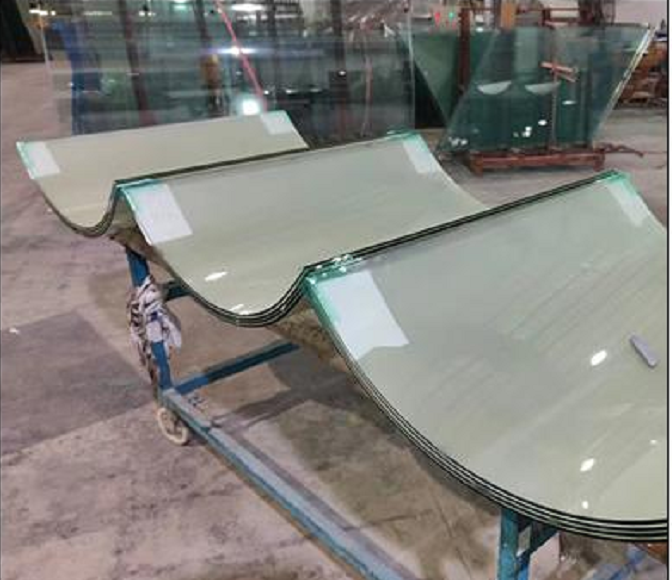
How We Cram Industrial Heat Into a Mobile Glass Repair Rig
Trying to fit the power of a glass-bending furnace into a portable repair bracket is a bit like trying to fit a V8 engine into a golf cart. You can’t just shrink a giant oven and hope for the best. When you’re fighting for every single millimeter of space and working with limited portable power, standard heating coils just won’t cut it. That’s why we went with shortwave infrared (SWIR) quartz lamps. They hit that glass transition temperature fast, and they don’t require a massive footprint to do it. The struggle with power and space In a mobile setup, you’re always balancing wattage against voltage. It’s a tight squeeze. To get the heat density we need for bending glass inside a tiny housing, we use lamps with a really high watt-per-centimeter ratio. Here’s the cool part: because we’re using a short-wave spectrum, the heat goes straight into the glass. It doesn’t waste time heating up the air around it. This is huge because it means the glass reaches its softening point while the bracket frame stays stable and doesn’t warp. The nitty-gritty of the hardware We use quartz envelopes with special coatings to make sure the energy actually sticks to the glass instead of bouncing off. Then there’s the wiring. We keep the loom lean with compact, high-temp connectors. And a word of advice? Use high-temp silicone cabling. Seriously. If you use standard PVC, it’ll melt the second you flip the switch. The trade-offs you need to watch for These IR lamps are fast. Really fast. But they create some intense, localized hotspots. If your bracket doesn’t have a proper heat sink or a ventilated standoff, you’re asking for trouble. You’ll either burn out your lamp sockets or compromise the whole structure of the jig. It’s all about balance. If you over-spec the wattage in such a small space, you’ll end up overheating the electrodes and killing your lamps way too early. You have to match the lamp’s output to the actual thermal mass of the rig.