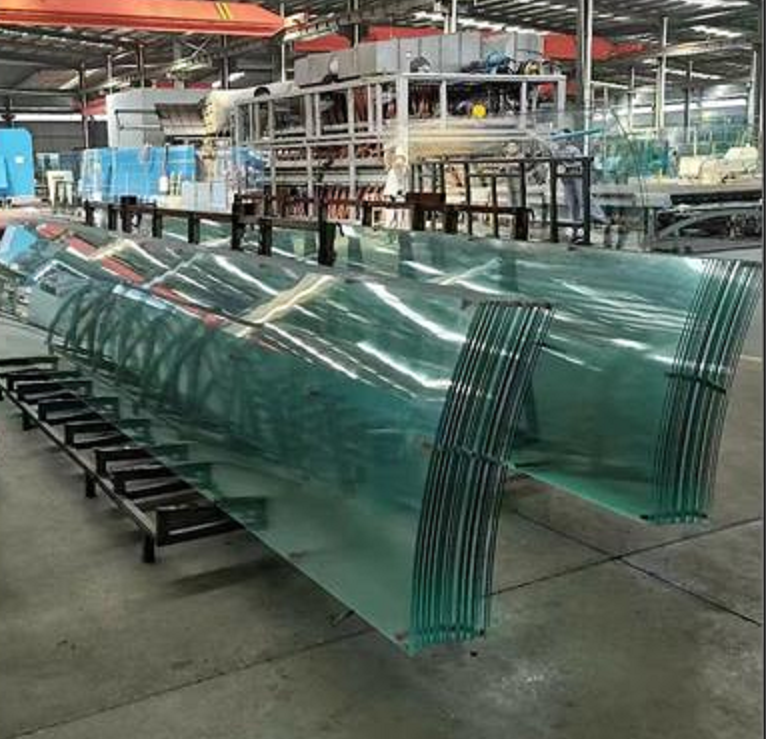
Stop Just Buying Heaters—Start Fixing Your Glass
Selling a heating element is the easy part. Anyone can ship a piece of hardware. The hard part? Actually getting an annealing oven to kill internal stress without warping the glass. I see it all the time. A shop buys the highest-wattage heaters they can find, thinking more power equals better results. Then they’re baffled when their glass still has “seeds” or structural tension. Why? Because they focused on the heat, but ignored the thermal gradient.
It’s All About the Descent
Glass doesn’t just need to be hot. It needs to cool down in a very specific, controlled way. If your heating zones are out of whack, the glass contracts unevenly. That’s where the trouble starts. We spend our time obsessing over the soak zone and the cooling ramp. If your wattage density is off, you get hot spots. Those spots don’t help—they actually re-introduce the very stress you’re trying to get rid of. You’re not just warming up a piece of material. You’re managing a molecular shift.
Why a Spec Sheet Isn’t Enough
You can tell me the voltage and the length of the heater you need, but that doesn’t tell me how the air is actually moving in your lehr. That’s why we prefer to get our boots on your floor and run a real thermal profile. We look for those annoying “cold spots” where the glass dips below the annealing point too early. And here’s the thing: if your conveyor speed is off or your insulation is leaking, a bigger heater won’t save you. It’ll just burn out your elements faster while your glass quality stays exactly where it is.
Power vs. Precision
It’s tempting to cram more kilowatts into a small space to speed things up. But that’s a risky move. You’re flirting with thermal shock. We help you find that sweet spot. If you’re going for high-density heating, you have to upgrade your PID tuning and airflow to match. If you just drop in a high-output element without tweaking the cooling curve, you’re probably just going to see more breakage. We don’t just ship parts in a box. We dig into your heat flow to make sure your glass comes out flat, clear, and stress-free.