Stopping Glass Beads From Cracking: A Guide to Thermal Shock
If you’ve ever worked with glass beads, you know the nightmare of thermal shock. You hit cold glass with a sudden blast of heat, and snap—the material fractures. It’s frustrating, wasteful, and usually happens because the temperature change was just too aggressive. We handle this by using shortwave infrared (IR) lamps that can change their power output on a dime.
Why the Hardware Matters
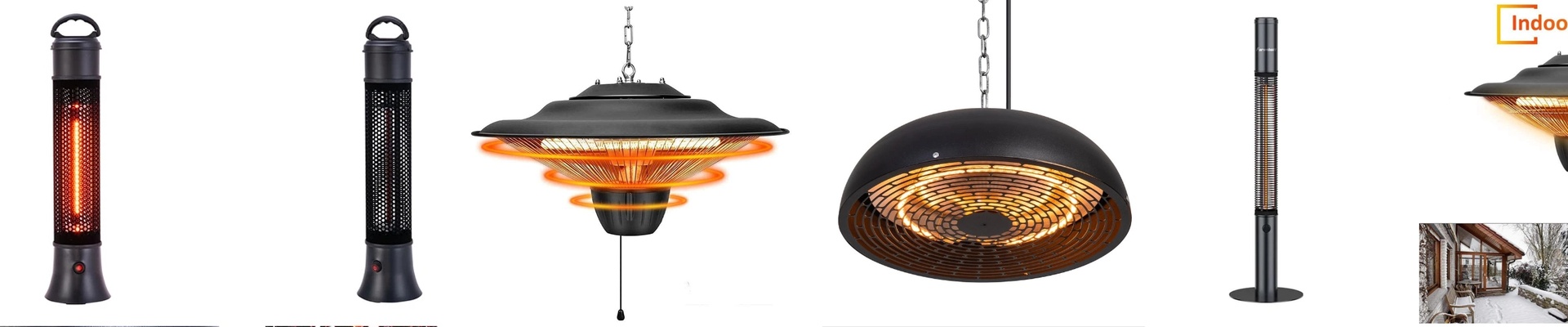
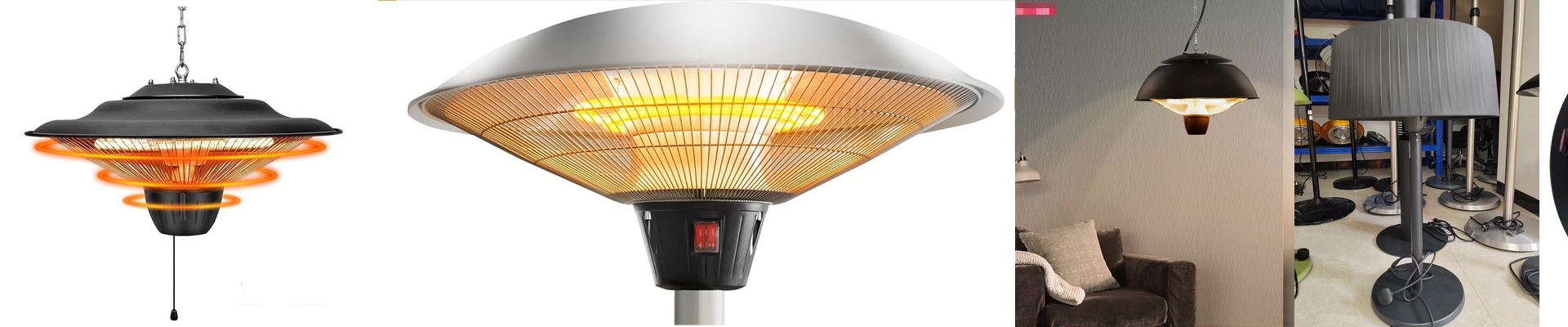
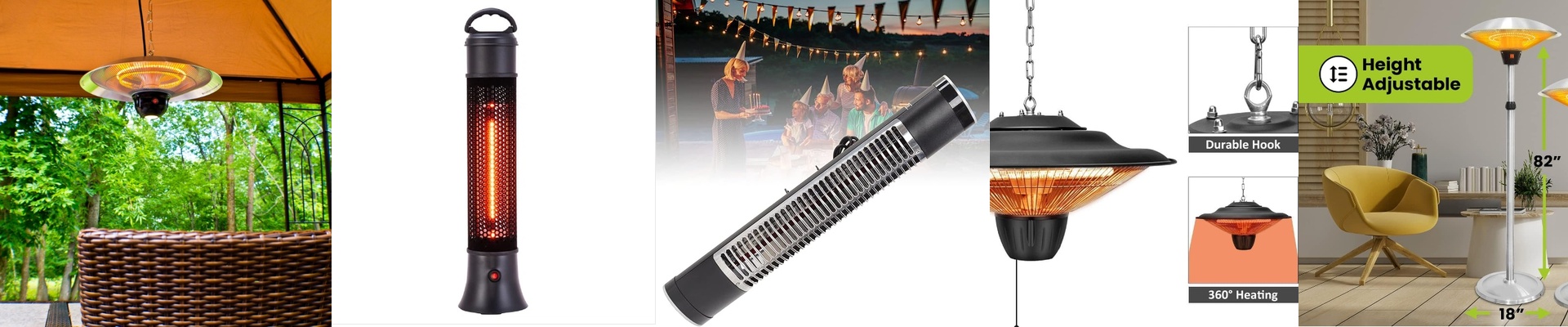
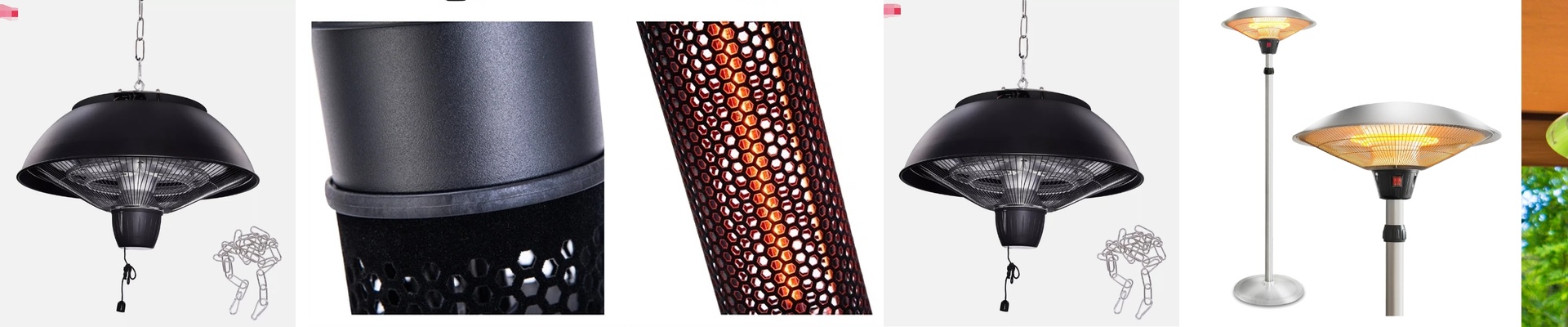
You can’t just use any old heating element here. Slow heaters are too clunky. We stick with quartz halogen lamps because they have very low thermal mass. In plain English? They heat up and cool down almost instantly. When you pair these lamps with an SCR or a fast-switching PWM controller, you get total control over the wattage in real-time. Instead of slamming the glass with a heat spike, you create a “soft start.” It’s a gradual ramp-up. This gives the core of the bead and the outer surface time to catch up with each other, so the glass doesn’t freak out and crack.
The Nitty-Gritty Stuff
We usually go with high-density shortwave emitters. The reason is simple: shortwave IR sinks deeper into the glass. You want the whole bead annealed, not just a toasted outer skin with a cold center. But a few warnings from the field: **Watch your voltage drop.**If you run your cables too far, you lose power. Keep your power supply as close to the heating zone as possible if you want to hit your target wattage. **Vent your housing.**These quartz tubes get incredibly hot. If you don’t have a way for that heat to escape, you’re basically baking your own sensors and wiring. It’s a quick way to kill your equipment.
Making it Work on the Floor
Getting this set up mostly comes down to alignment. You have to make sure the lamp’s focal point is hitting the bead path exactly where it needs to. We use quartz sleeves to keep debris off the filaments. Here’s the thing: if a bead breaks or dust piles up on the lens, you get hot spots. **Clean your tubes every week.**No exceptions. If you skip this, the lamp will overheat in one spot and burn out way sooner than it should. It’s a five-minute job that saves you a massive headache later.