


Why that “instant dry” isn’t just a nice-to-have—it’s physics
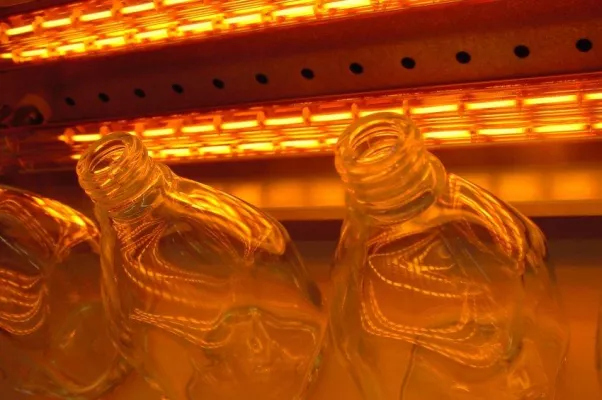
When we talk about getting the ink on glass to dry on the surface in seconds, it’s not about chasing speed for bragging rights. It’s about solving a very real, very annoying problem: wet sheets that stick together when you stack them. A regular hot-air oven drags things out. It warms the whole piece of glass, slowly, and it brings a lot of humidity along for the ride. That means you’re stuck waiting, burning energy, and killing momentum. So we built something that goes straight to the point. Our mirror-cut infrared heaters focus the heat right where it matters—on the ink layer—not all over the glass. That lets the solvent flash off in seconds, and the surface hardens fast. The payoff? You can handle the glass and stack it immediately, without worrying about sheets glued together.
The guts: power, density, and electrical choices that make it happen
To get that instant dry, the heater has to deliver serious heat density. We use high-wattage, shortwave infrared elements built for industrial duty—meaning they’re meant to run, and keep running. The voltage setup (often 400V on the big units) is chosen so you get the power you need without tripping the system. This isn’t a consumer bulb you plug in and hope for the best. It’s a machine component, engineered to match your line. Wattage and length are matched to your conveyor width and line speed. If you run faster, you need more power density so the ink is dry before the glass ever reaches the stacker. And the mirror-cut geometry keeps the infrared energy tight, hitting the ink—not wasting heat on the air around it.
What it’s made of—and why swapping it in is simple
Inside, you’ve got a quartz tube with a halogen element. That combo produces intense shortwave infrared that cuts straight into the wet ink. The tube is also coated to bounce heat back onto the target, so you’re not throwing energy away. For installation, we use standard industrial connectors like R7s. That means you can wire it up quickly and swap it out on the line without redoing the whole electrical setup. It’s meant to drop right in where your current equipment goes.
Where it shines—and the trade-off you need to plan for
On a glass printing line, this heater breaks the bottleneck. It dries the ink fast enough to keep the press moving, so you’re not sitting around waiting for drying time. But here’s the trade-off: that intense heat density means your machine’s cooling and ventilation have to be up to the task. If the area around the heater isn’t managed, the surrounding components can get cooked. If you’re an engineer trying to wipe out stacking defects caused by wet ink, this is the practical fix. It turns a slow, painful drying step into something fast and repeatable.
The real-world payoff: no more sticking, no more scrap
In the printing support workflow, this setup solves the headache of stacking adhesion. With second-level surface drying, glass sheets come out of the heater with a dry top surface—so you can stack them right away without ink transferring or sticking. That keeps your line moving and cuts down on scrap. The mirror-cut design keeps the heat focused exactly where it needs to be, and the build is tough enough for nonstop, high-speed production. Just one heads-up: the power is serious. Make sure your electrical setup and cooling are ready for it.