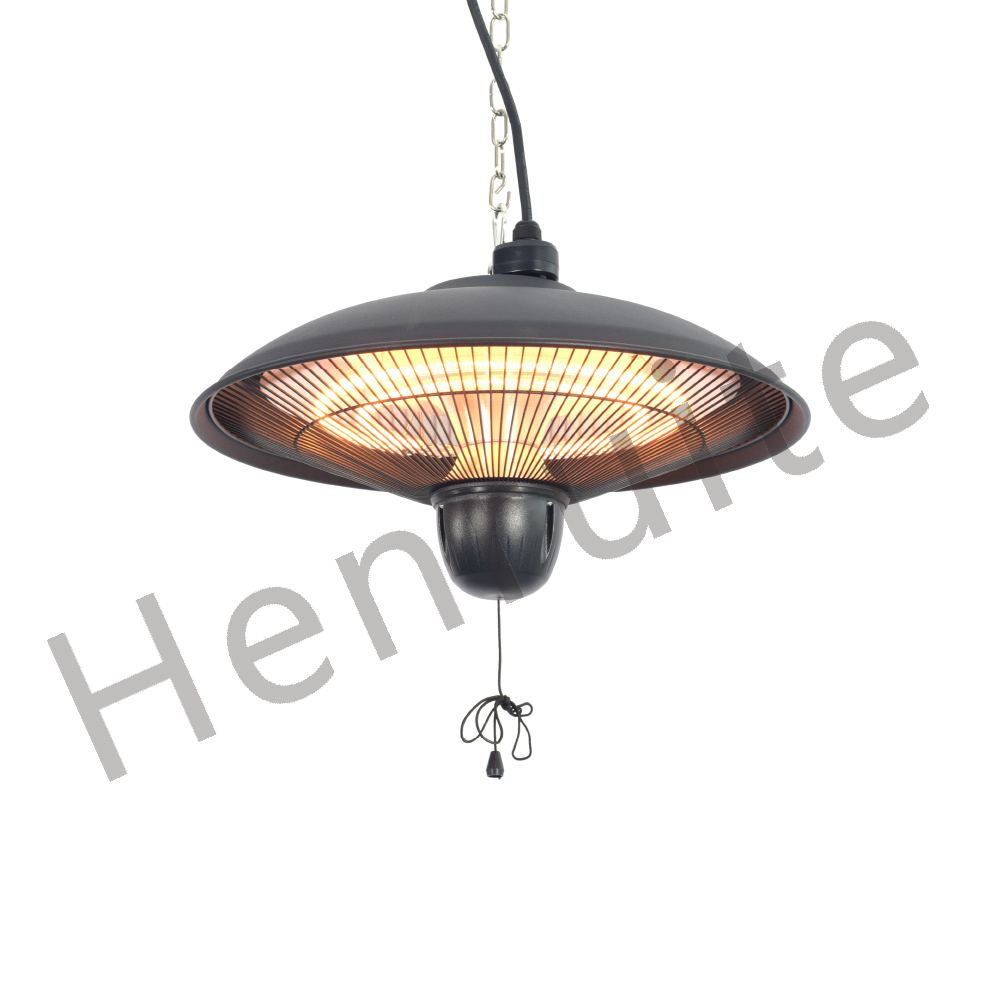
Introduction
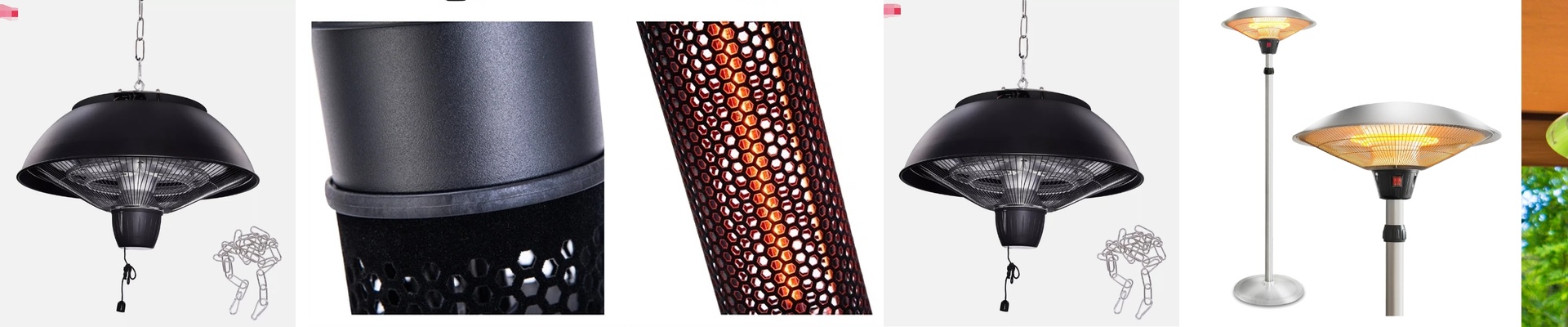
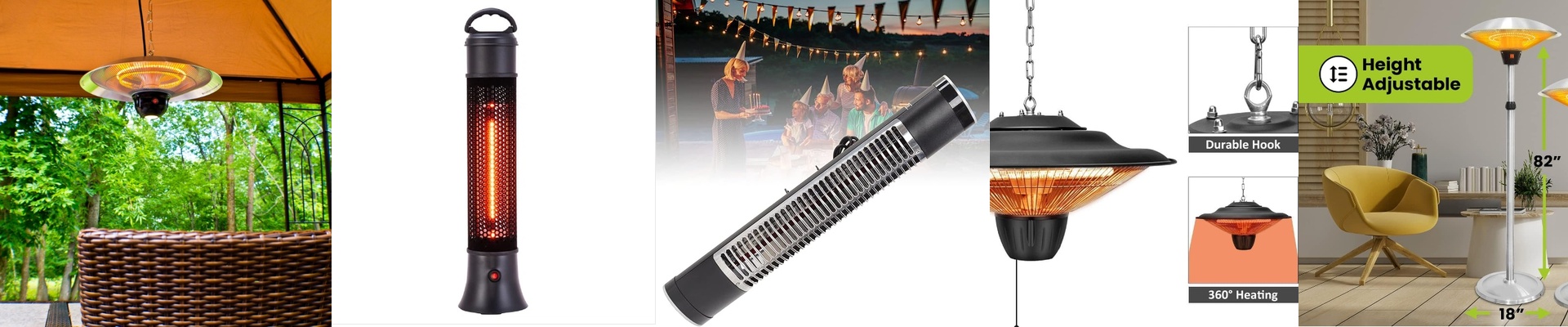
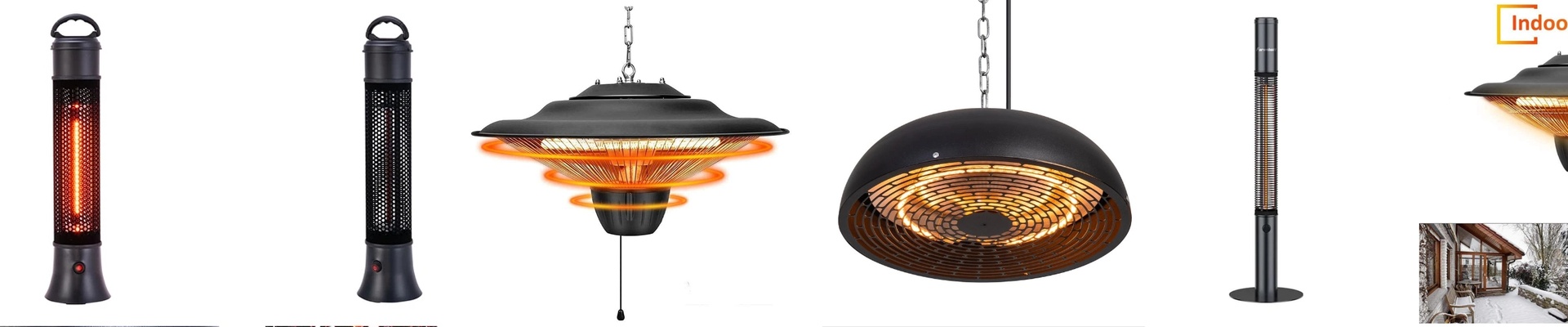
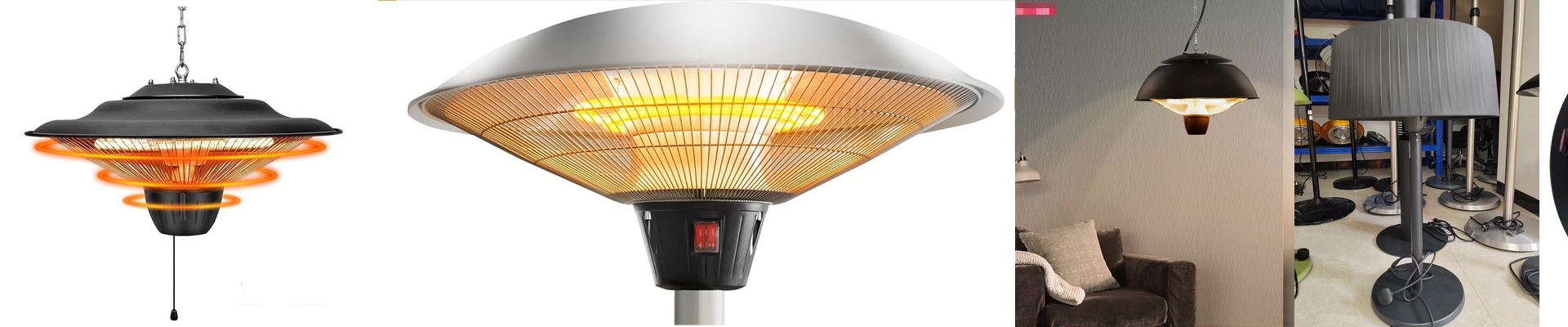
We built this wall-mount infrared heater for the real world—specifically, the tough life of a pub garden. It’s a halogen unit designed to fight back against wind, moisture, and those sudden temperature drops. The whole point? Keep the element protected and the heat steady, even when humidity and splashes are just part of the day.
The Power Behind the Heat
At the heart of this heater is a halogen infrared element that turns electricity straight into radiant warmth. We matched the wattage to what semi-open outdoor spots actually need, and set the voltage to work with standard commercial power. Mounting it on the wall puts the heat right where people are, without eating up floor space. And because it warms people and surfaces directly, you don’t waste energy heating air that just drifts away. Here’s the thing about radiant heat: it skips the air and goes straight to what matters. That means comfort stays real even when the air feels cold. But that kind of output also means things run hot inside. So we matched the element to the right voltage and thermal load, keeping resistance stable and the current predictable—even when it runs for hours.
Built to Handle the Weather
Outdoor heaters have two classic enemies: fogging and water getting inside. Fog on the front glass bounces heat back and messes with output. Water ingress leads to shorts, corrosion, and an early death. So we tackled both. The front is designed to resist condensation, so the infrared beam stays clear and consistent. And the enclosure is splash-proof—sealed against rain, spray, cleaning, and the occasional spill. Inside, you’ve got a halogen element in a quartz envelope and a rugged connector that can handle the expansion and contraction of constant heating and cooling. The result? A unit that can take a beating from the weather and still keep delivering the heat.
Made for Pub Gardens—And the Real Pace of Service
In a pub garden, you need heat that turns on fast, stays steady, and doesn’t become a maintenance headache. This wall-mount heater does exactly that. Installation is straightforward, and the heat pattern stays focused—warming tables and patrons directly, instead of trying to heat the whole outdoor space. A heads-up: because the heat is so intense, it needs to be mounted within the specified clearance, and the area needs enough ventilation to manage the local temperature. Plan that layout right, and you get a heating setup that survives the season and keeps things comfortable with minimal fuss.