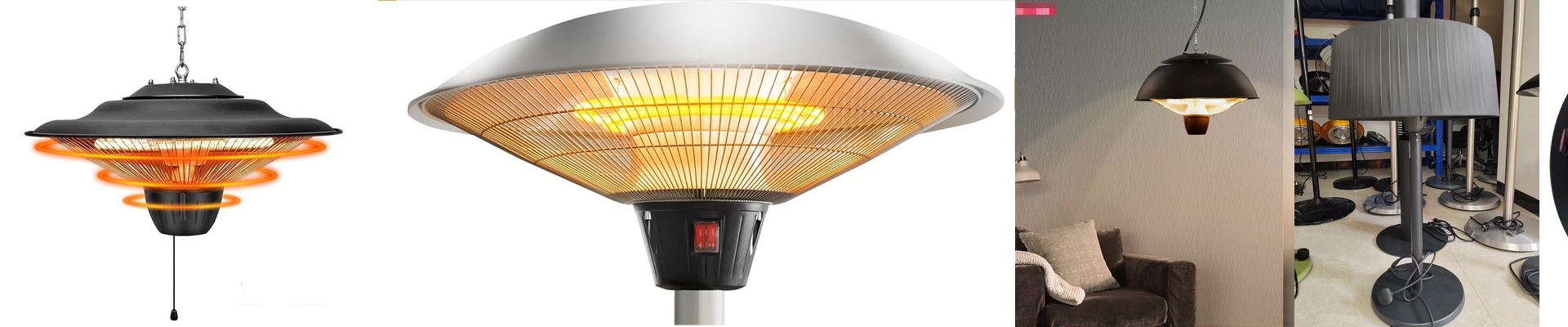
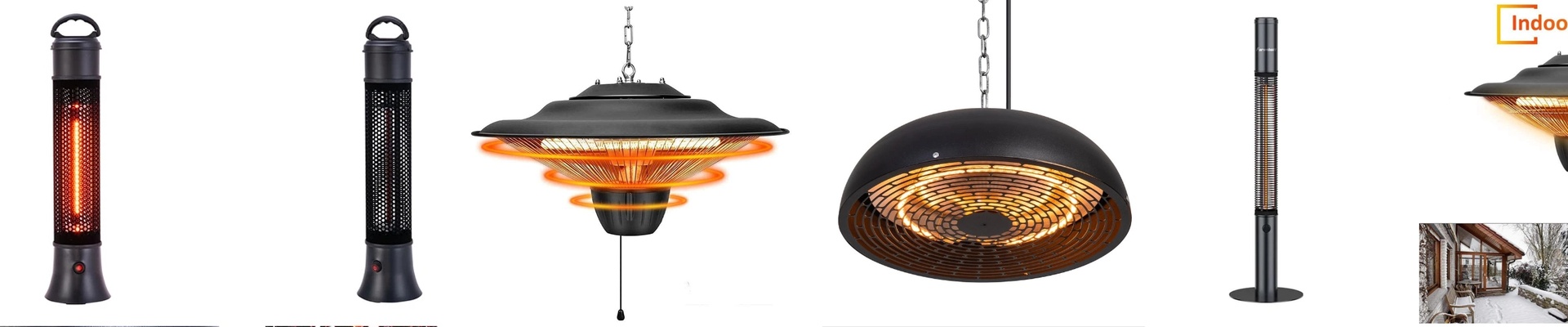
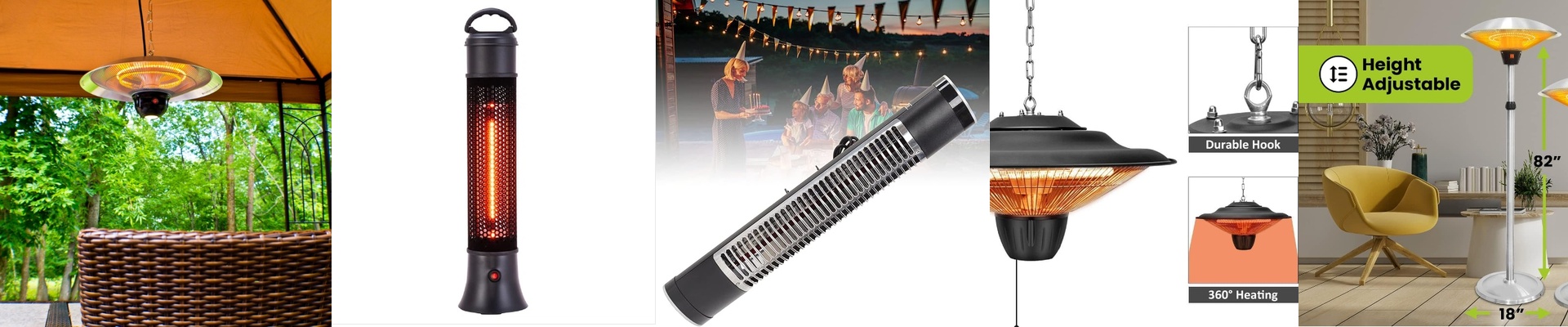
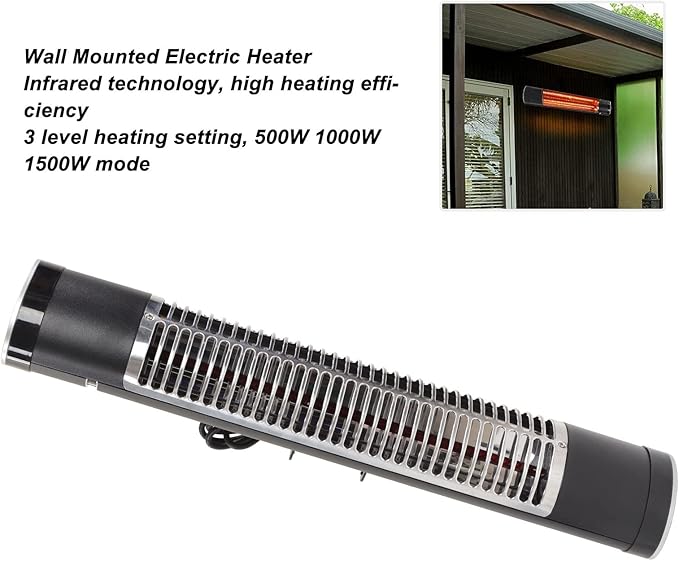
In an open-air restaurant, winter doesn’t just drop the temperature—it drops your covers. The air gets sharp, guests second-guess their seats, chairs stay empty, and service drags. A hanging patio heater turns that around by delivering infrared warmth right where people are sitting—not up into the empty sky.
What matters under the hood
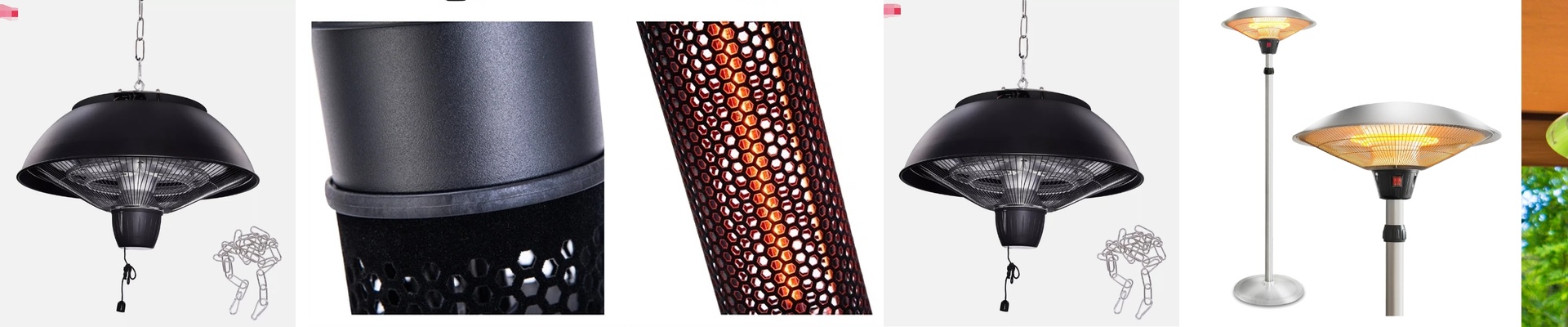
We built this hanging patio heater around a carbon fiber infrared element. It heats fast and lays down a smooth, even radiant field. You get warmth on tables and faces within seconds, not minutes. It runs on standard 220–240V power and comes in practical output ratings so you can match coverage to your layout. A built-in thermostat keeps the feel consistent, and the housing is IP-rated for outdoor exposure. For safety, it has tip-over protection and a protective grille to keep the element contained.
Why it works for outdoor dining
Winter outdoor dining comes down to perceived comfort. With infrared warmth, guests feel enveloped even when the air is cold, so they stay longer and order more. That means higher occupancy during peak hours and more table turns as the evening goes on. Because the heat is directional, you’re not wasting energy trying to warm wide stretches of open air. The unit also runs quietly, so conversations carry naturally—no background hum. For operators, that adds up to more usable seats, fewer empty tables, and a steady flow of covers.
The details that make it reliable
Installation is straightforward, but placement is where you earn your keep. Hang the unit high enough to avoid glare and discomfort, yet low enough to keep the radiant field focused on the seating zones. Keep the area above the heater clear of combustible materials and maintain proper clearance around the element. In very wet conditions, confirm the IP rating matches the exposure, and plan drainage away from the unit. Get those basics right and the heater becomes a dependable part of the floor—turning chilly nights into comfortable, profitable seating.