Winter turns the greenhouse into a quiet fight. The air bites, seedlings stall, and early harvests slip away with every degree the temperature drops. Forced-air heaters kick up dust and dry everything out, yet the cold still settles where you need warmth the most.
What matters, technically
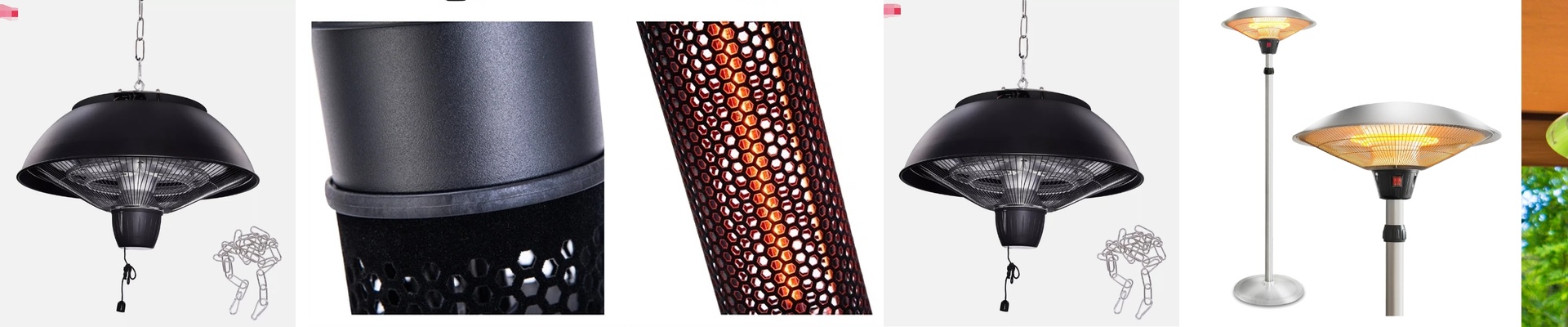
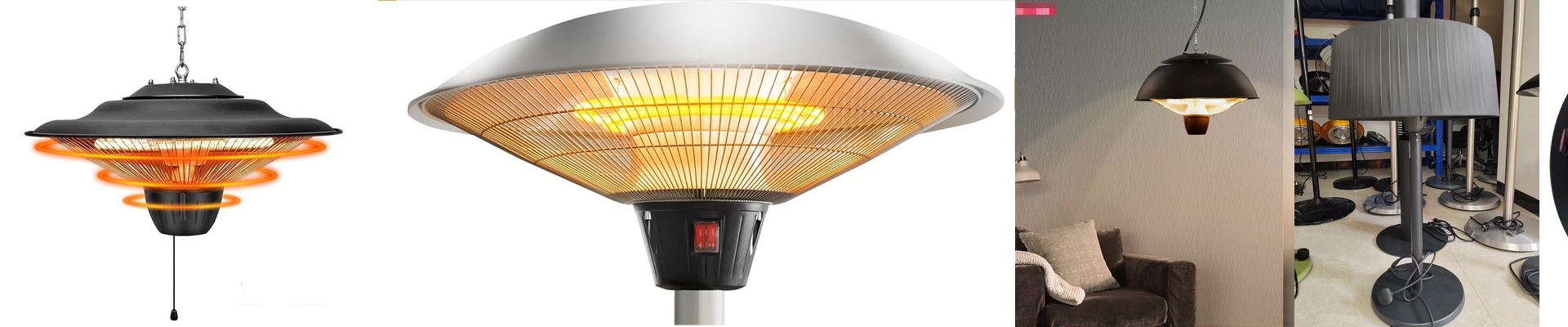
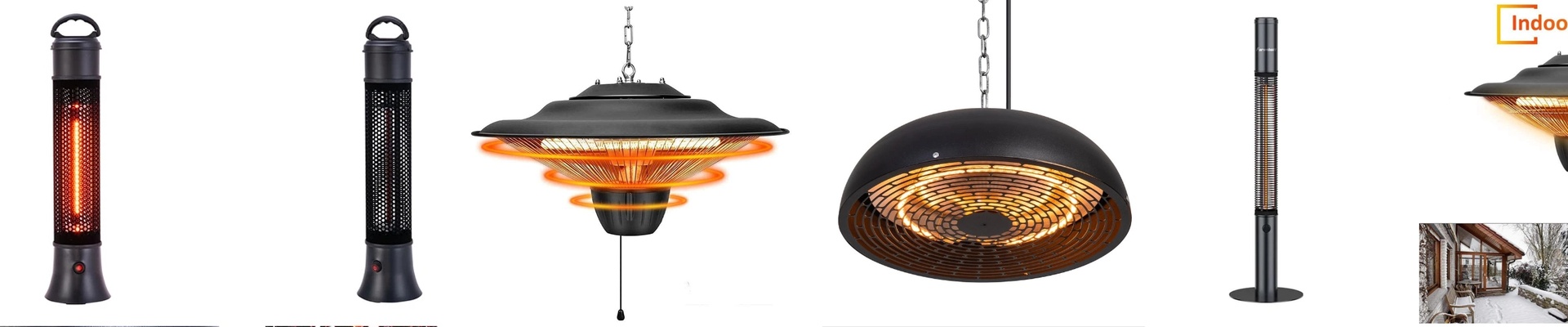
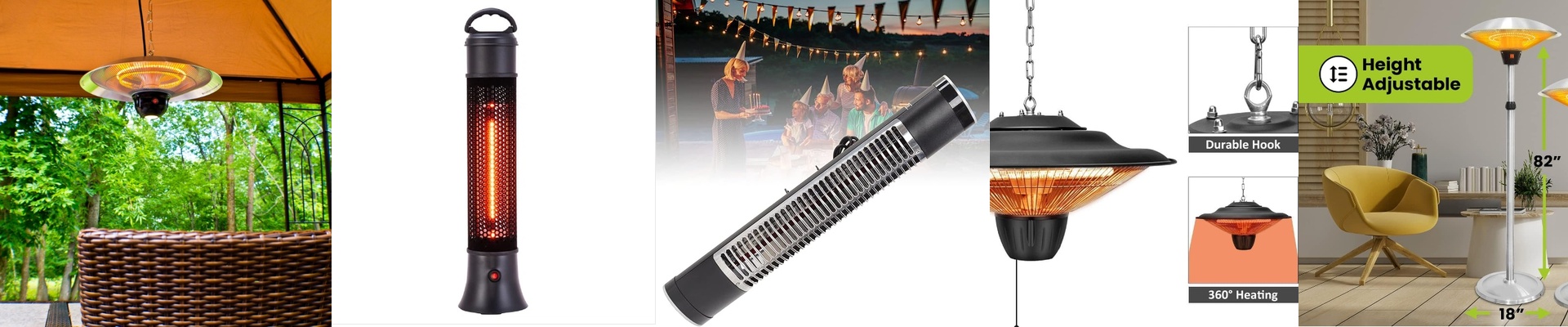
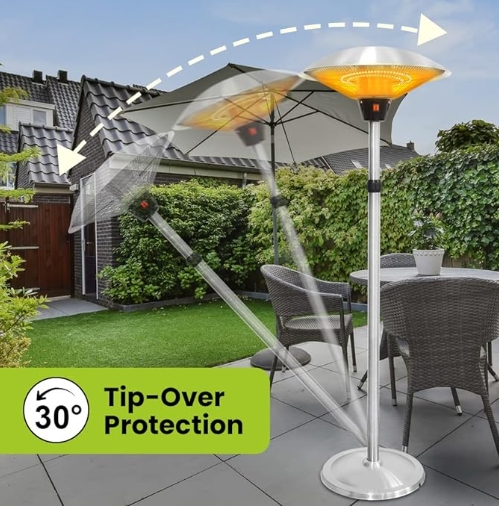
Infrared electric heaters work the way the sun does—radiating heat directly to people, plants, and surfaces, not to the air between. In a greenhouse, you size the output to the space: a 1500W unit with a carbon fiber element or a quartz tube puts out long-wave infrared that penetrates gently, without scorching foliage. You get warmth on demand, and a built-in thermostat keeps it under control. It runs quietly, needs no fuel lines, and plugs into a standard 120V outlet. If the greenhouse stays damp, look for an IP rating that can handle moisture, plus tip-over protection and a protective grille for peace of mind.
Why this works in a greenhouse
The payoff is practical, and it’s personal. Plants respond to steady warmth at root level, so growth cycles stay on track even when the night dives. You feel it, too—infrared warmth encourages circulation and eases the stiffness that comes with cold, so winter gardening feels less like a chore. Because the heat is aimed where you need it, you’re not wasting energy heating empty air. The greenhouse becomes a calm, workable room where life thrives, and you can move comfortably without piling on bulky layers.
The details that make the difference
Clearance matters. Keep the heater at least three feet from plants, mulch, and anything flammable, and stick to the spacing in the manual. Infrared heats surfaces first, so pair the unit with a gentle circulation fan to even out the microclimate. In a larger greenhouse, plan on multiple units to avoid cold spots. If you’re running high-wattage heaters, check your circuit capacity and use dedicated outlets so you don’t end up chasing tripped breakers.