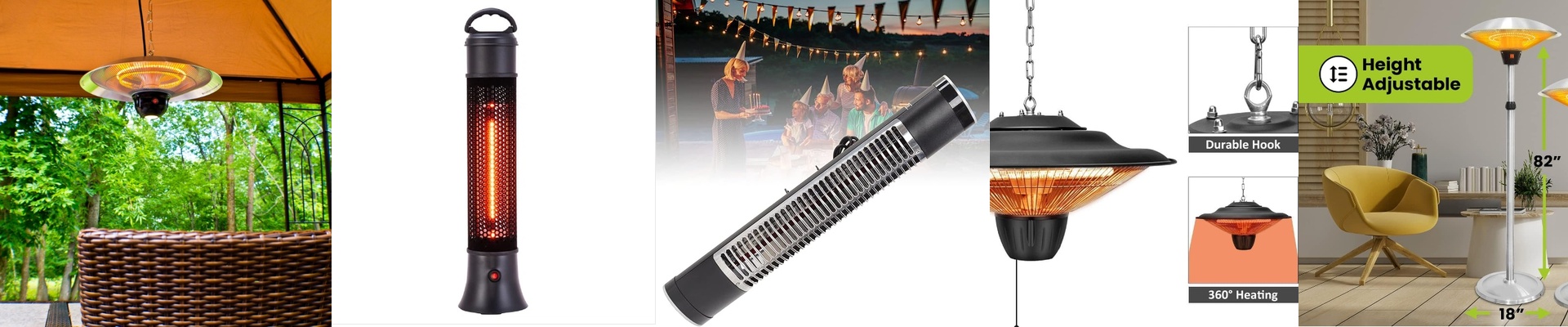
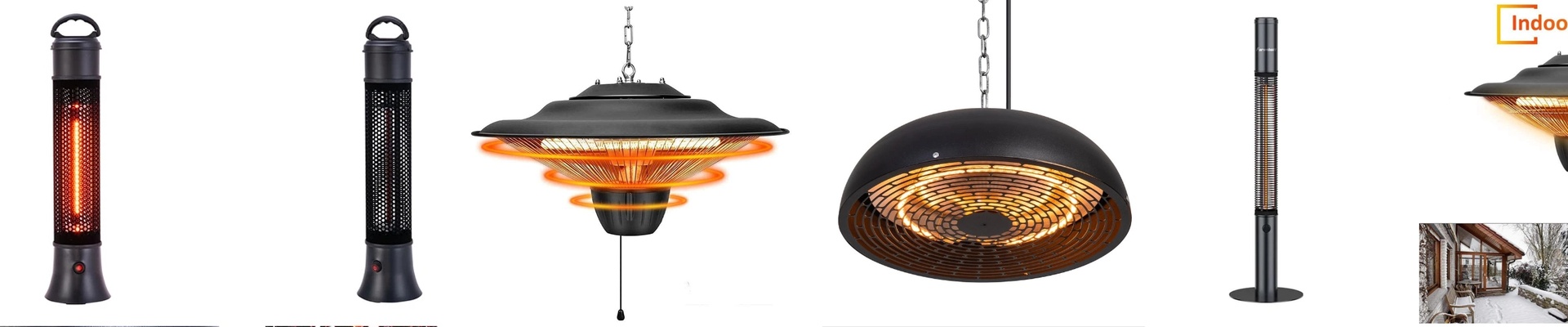
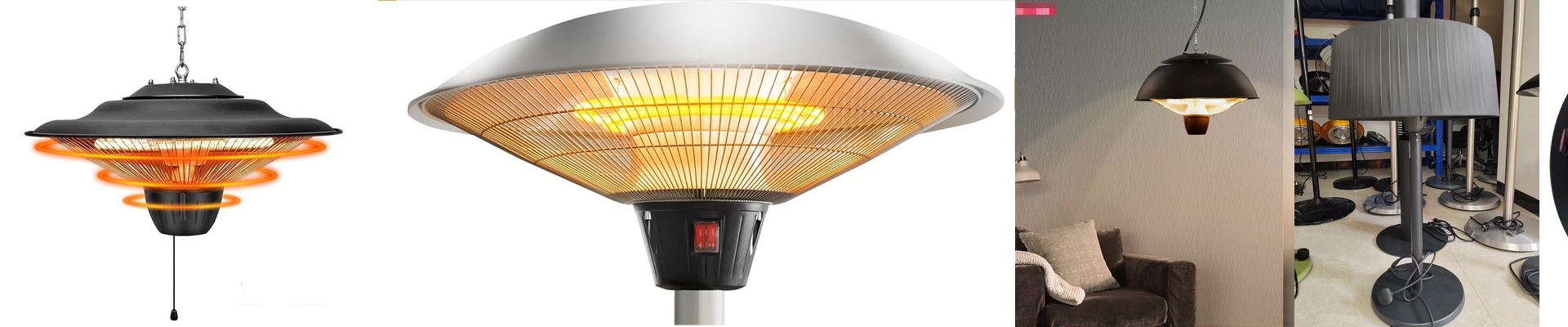
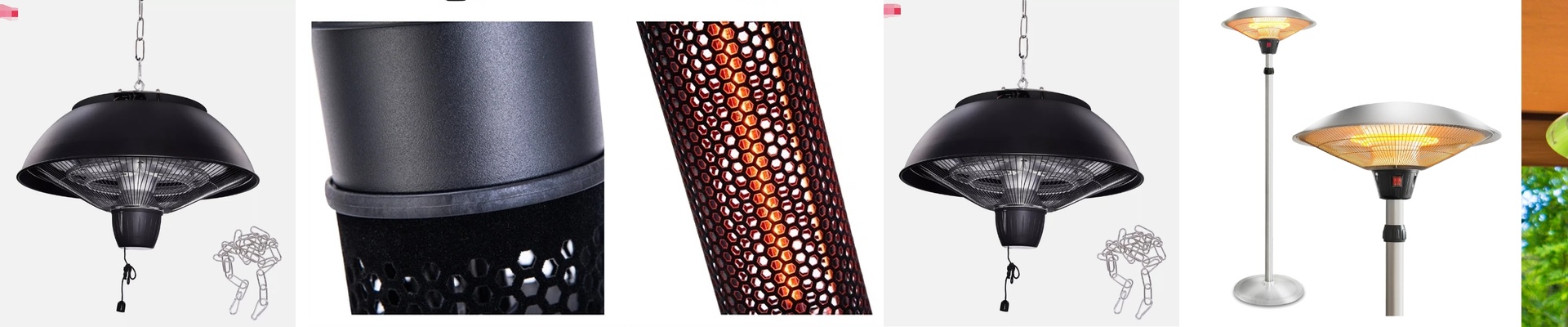
When a commercial property manager turns to winter comfort, the real cost isn’t just the electricity bill. It’s the drag on ESG performance, the maintenance headaches, and the energy waste that quietly eats into asset value. Efficient infrared heating flips that equation.
What matters under the hood
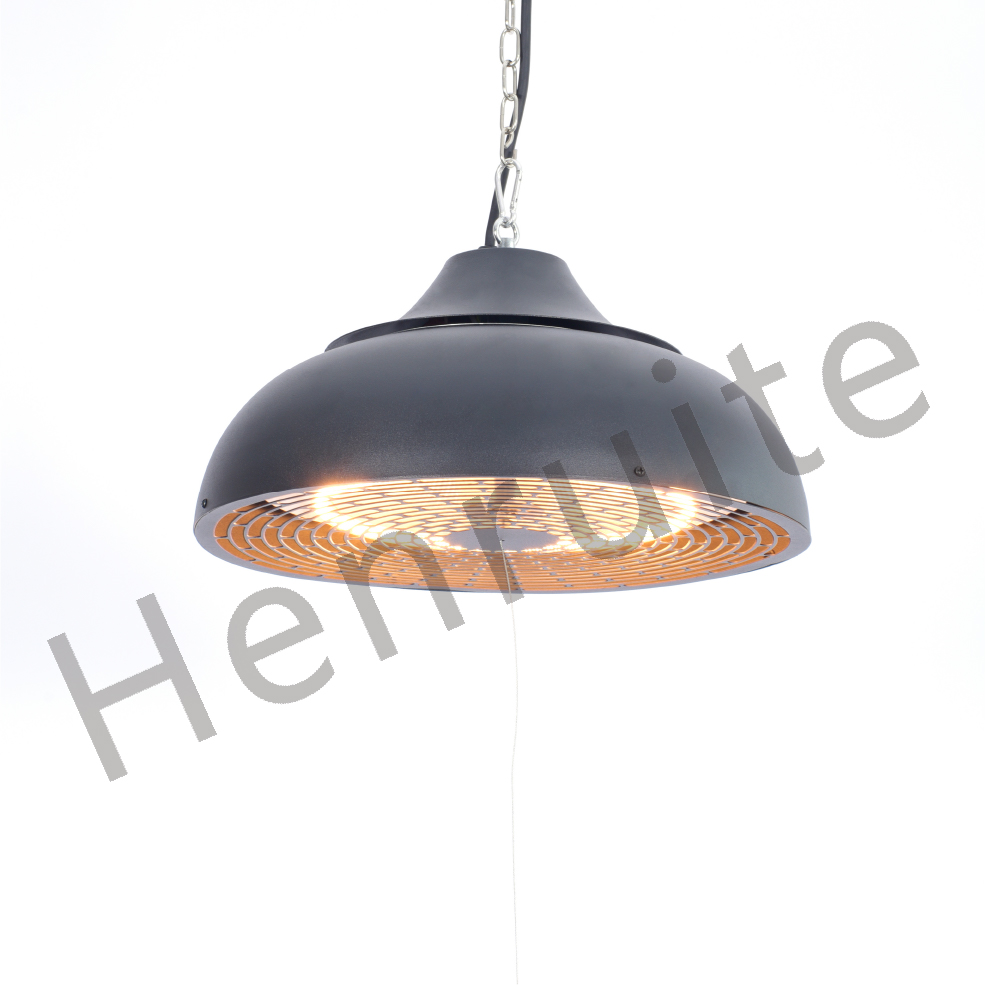
We build these around radiant heat—straight-line warmth that hits people, floors, and equipment directly, without first heating the air. The IP65 waterproof housing keeps moisture and dust out, so the electronics stay dry in exposed courtyards, loading docks, and semi-outdoor lobbies. Inside, you’ve got a carbon fiber or quartz element that comes up to temperature fast and holds steady, paired with a straightforward thermostat that keeps the set point without constant cycling. The payoff is targeted warmth where you need it, when you need it, and a low, predictable draw on the electrical system.
Why this works in commercial real estate
You’re not fighting heat loss through walls and ceilings, so the overall energy draw drops. You’re also protecting the building’s sustainability story: less wasted heat means a smaller carbon footprint, which supports ESG reporting and can strengthen tenant appeal. On the ground, people feel comfortable sooner, complaints ease, and maintenance calls shrink because there are fewer moving parts to fail. Over time, that reliability helps protect rental income and supports a stronger asset valuation.
What to keep in mind
Infrared shines in spaces with high ceilings or frequent door openings—exactly where warm air systems struggle. Plan the layout around line-of-sight to people and key zones, and confirm local electrical requirements for the heater’s voltage and circuit load. One practical note: because radiant heat warms surfaces directly, ambient air temperature readings can read cooler than the comfort people actually feel. Pair the unit with a well-placed thermostat and set expectations up front, and you’ll get steady comfort without overheating.