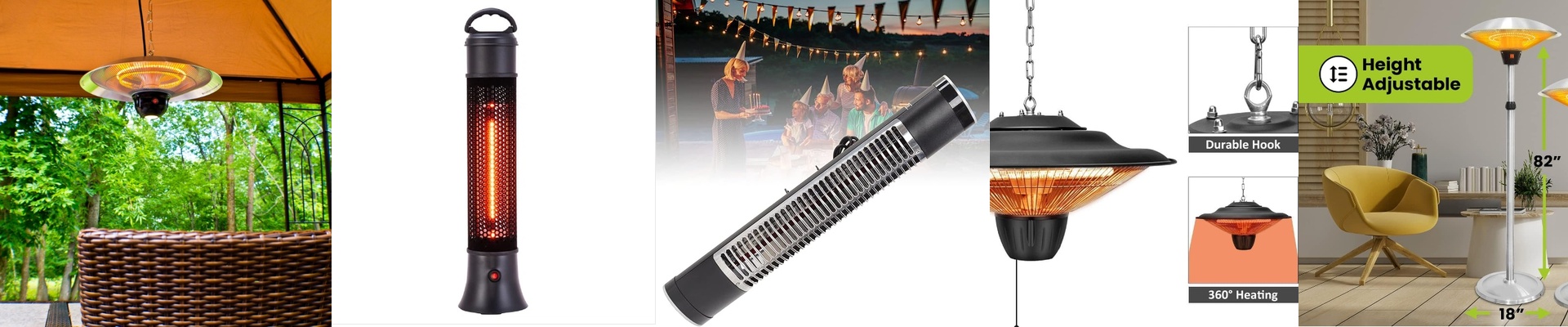
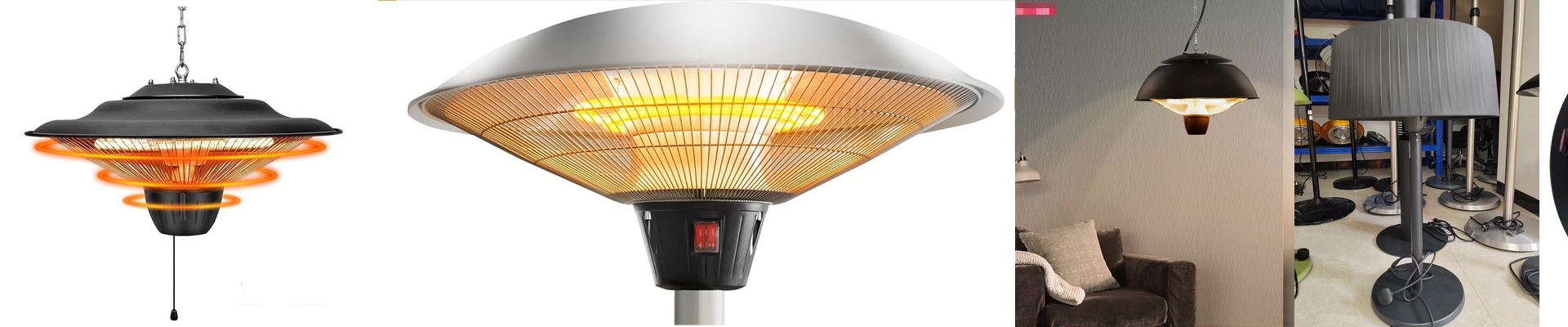
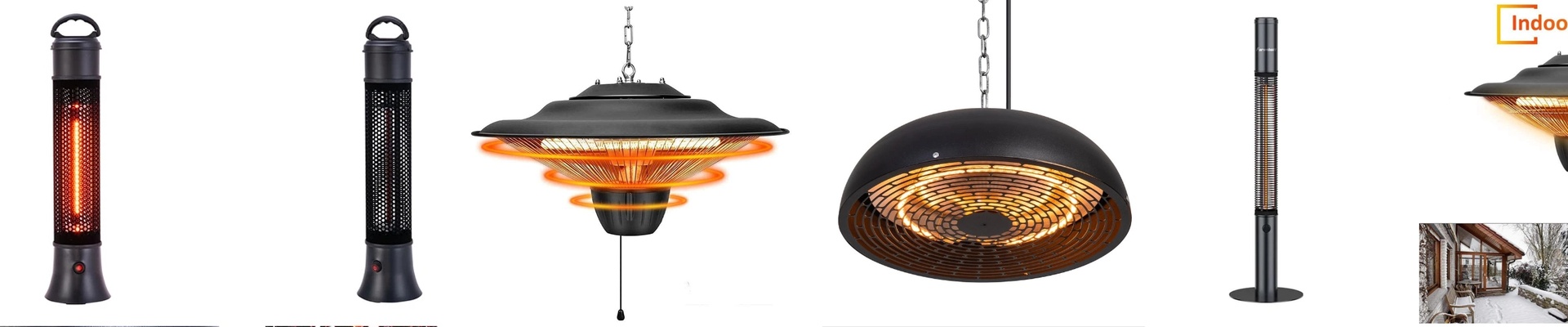
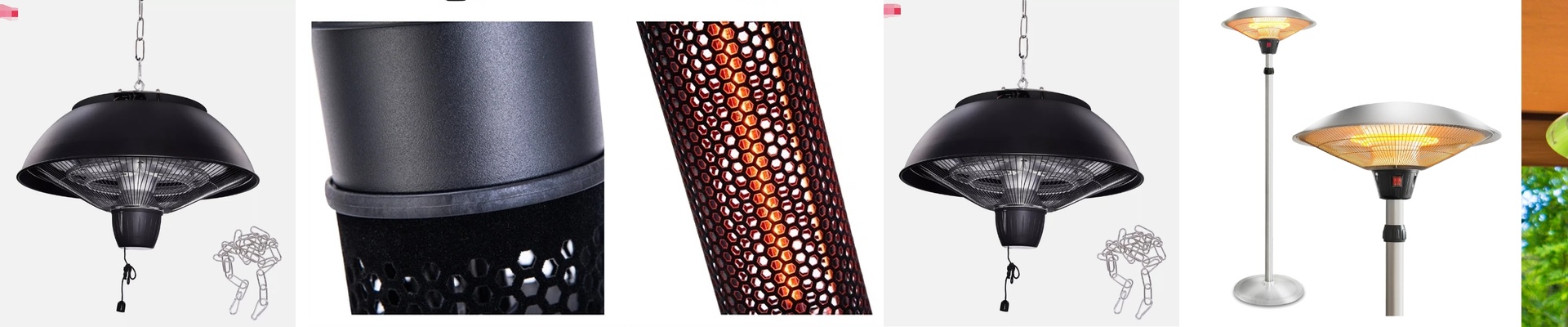
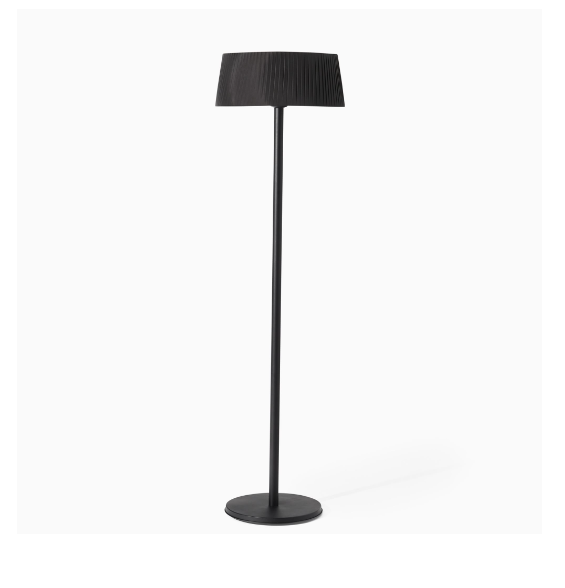
In a display window, you need fabric to hang the way it was meant to, and gems to hold their sparkle. In a precision lab, even airborne dust can tank a run. Forced-air heat stirs all that up, shifts humidity, and brings noise that distracts staff and guests. The clean, quiet solution is infrared warmth—direct, no fan, no fuss.
What matters under the hood
We build our infrared heater around a sealed quartz emitter that delivers radiant heat without a fan. The element throws heat the moment it’s switched on, so you feel it within seconds, and it cools fast when you turn it off. Go with short-wave for fast, focused output, or medium-wave when you want a gentler, more even feel. The thermostat holds the setpoint tight, so sensitive equipment and delicate samples stay in their comfort band. The housing is finished for cleanroom-friendly surfaces, and with no moving parts, there’s no airflow to lift dust or scatter paper scraps.
Why this works where it matters
In display windows, infrared heat preserves fabric drape and keeps colors true because it warms people and objects directly, not the air around them. In labs, the dust-free heating profile helps protect calibrations and experiments that need stable conditions. You get predictable temperatures, fewer swings, and a quieter workspace. Energy use stays sensible, too—heat lands where you need it, on demand, without pre-heating a big volume of air.
The practical details you can’t skip
Radiant heat works best when the target is in line-of-sight, so placement matters. Plan for even coverage and keep clearances clear. These are electric heaters and should be wired to a dedicated circuit; in damp locations, confirm the IP rating and use proper outdoor-rated connections. The surface stays cooler than many hot-air systems, but it still reaches temperatures that require safe mounting heights and protective guards within reach of people.