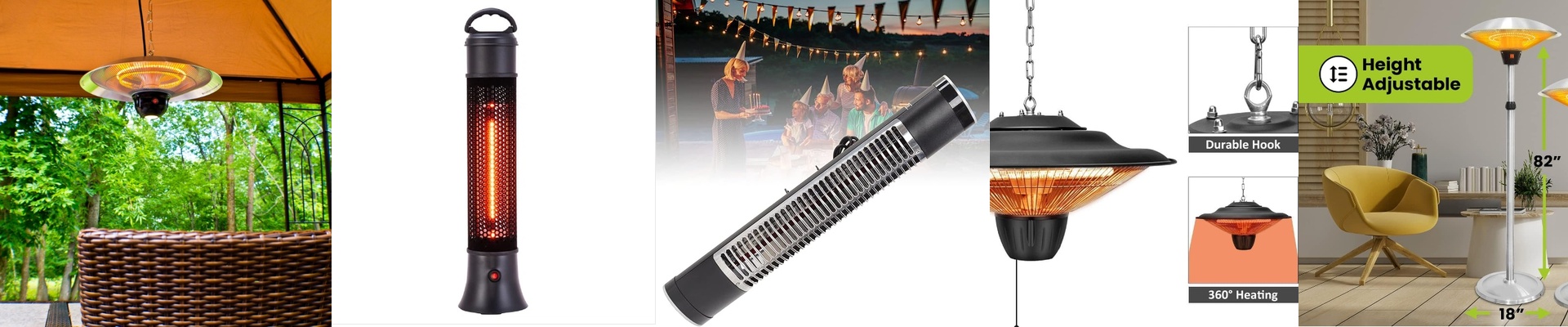
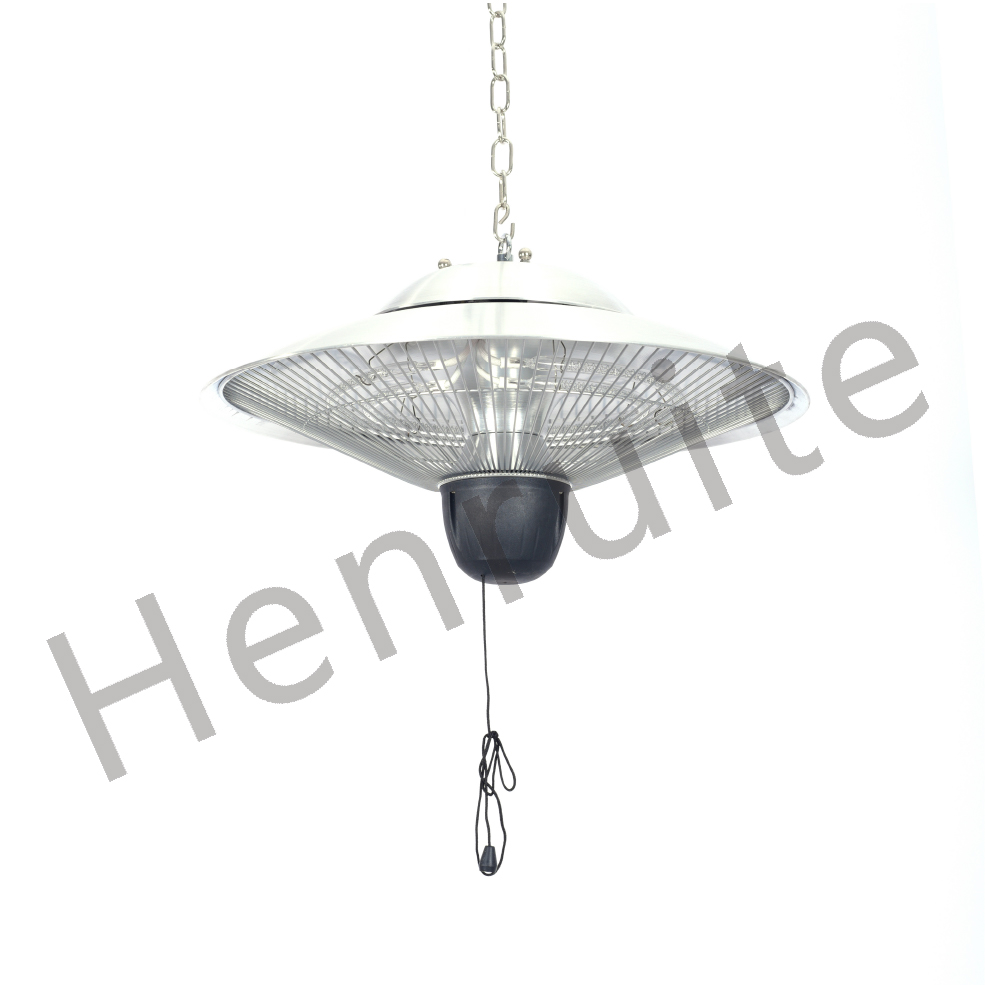
Step outside and the evening air hits you. The house feels too far to retreat to, and the patio heater drones on while the electricity meter climbs. The cold isn’t the worst part—it’s the waiting, and the energy that gets burned for nothing.
What matters, technically
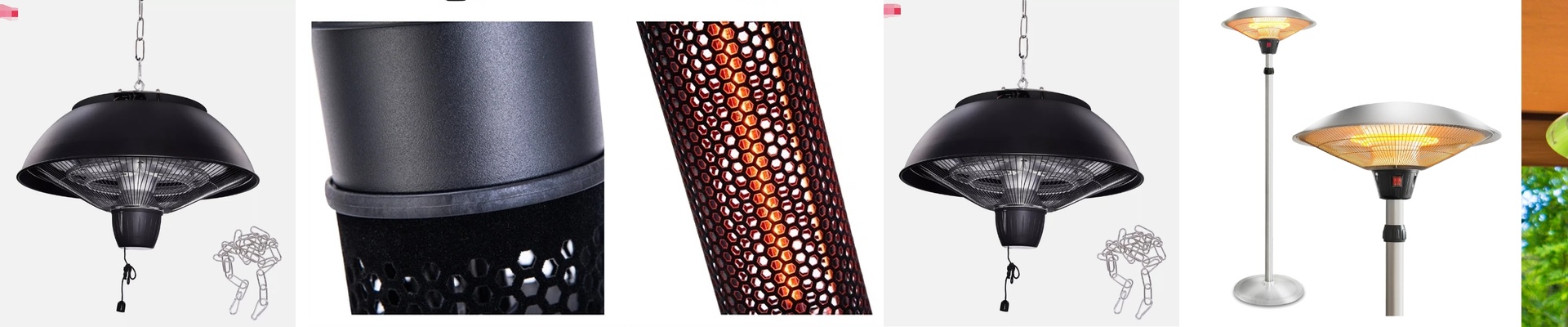
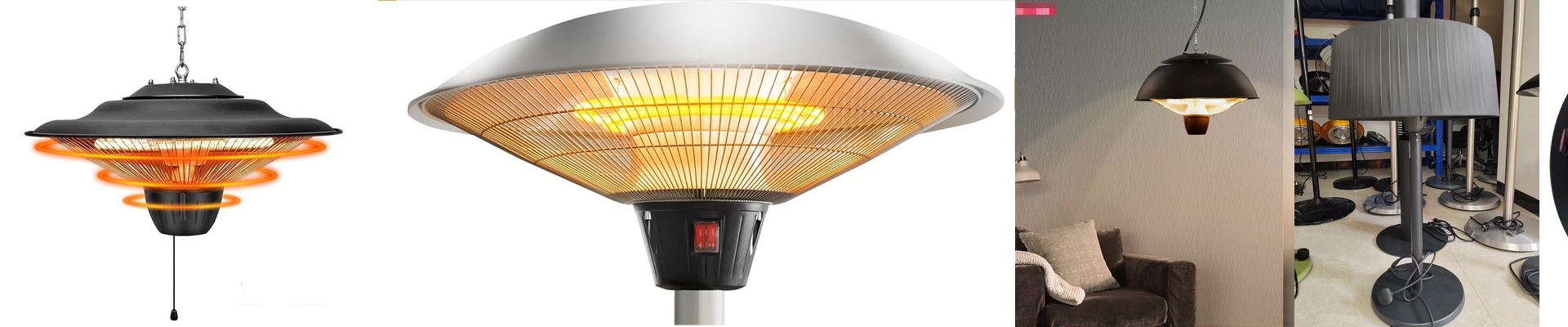
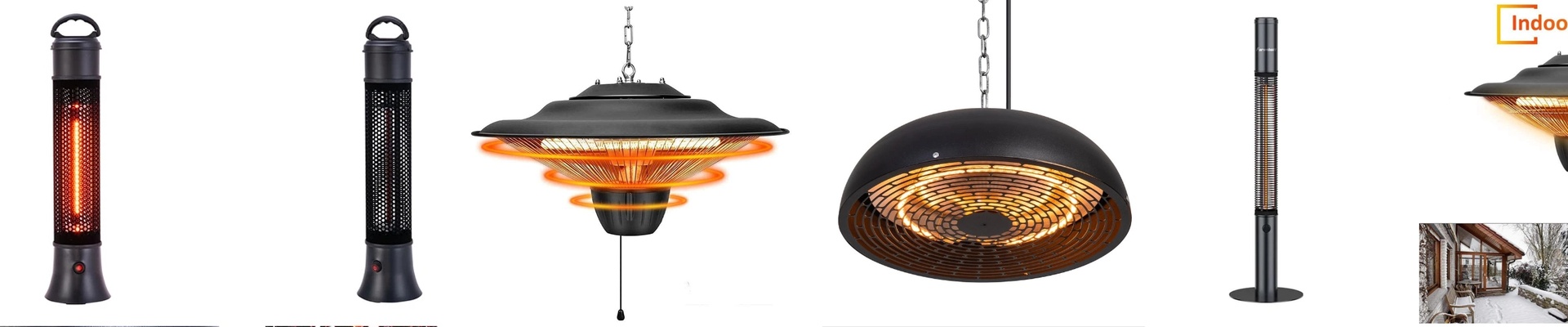
We build backyard infrared heaters around low heat inertia elements—carbon fiber or quartz tubes—that come up to full output in seconds, not minutes. That gives you immediate radiant warmth, instead of slowly warming air that vanishes with every breeze. A typical 1500W electric infrared unit delivers targeted heat with an instant-on response, and when it’s wired to a standard 240V outlet and paired with a smart thermostat, it cycles on and off precisely instead of running flat out. The payoff is predictable: heat when you need it, idle when you don’t.
Why this fits the home setup
In a smart home environment, low heat inertia is the piece that’s been missing. Traditional heaters hold heat in heavy elements and radiators, so the control lags behind what you actually need—and you end up wasting energy. Infrared warmth flips that script. It turns on fast, adjusts fast, and keeps the people-space warm while the surrounding air stays cooler. For you, that translates to lower energy use on mild nights, comfort the moment you step outside, and steadier temperatures that make evenings practical. Throw in tip-over protection and an IP rating matched to a sheltered patio, and the backyard starts to feel like another room—quiet, responsive, and efficient.
The practical details
Infrared does its best work when it has a clear line to where you actually sit—seating, tables, and the path between them. It won’t heat the whole yard, and that’s by design. For the best results, mount the heater 6–8 feet above the area, angle it to cover the seating zone, and keep it protected from heavy rain. Most smart control setups play nicely with standard thermostats, but if your system leans on specific protocols, confirm compatibility before you start wiring. The trade-off is focus: you feel the warmth quickly, but placement still matters to get full comfort from every watt.