Introduction
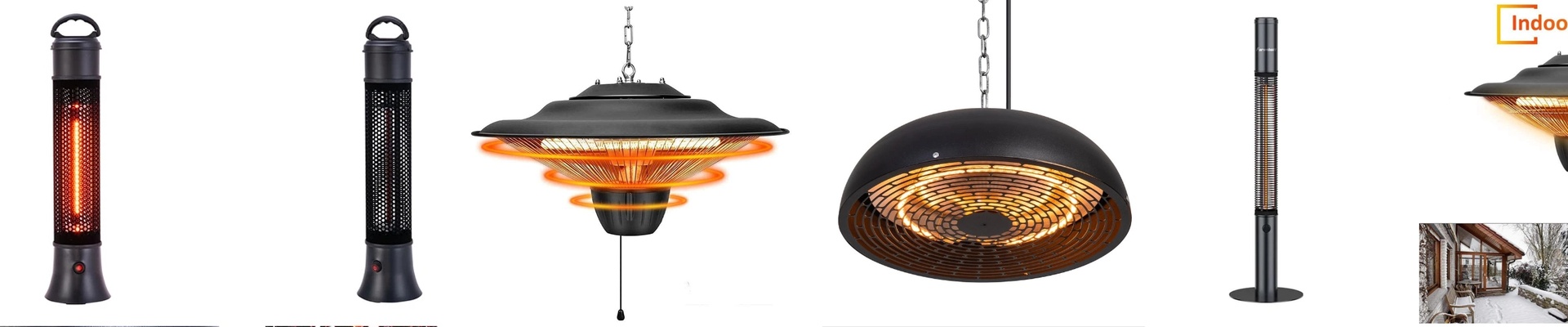
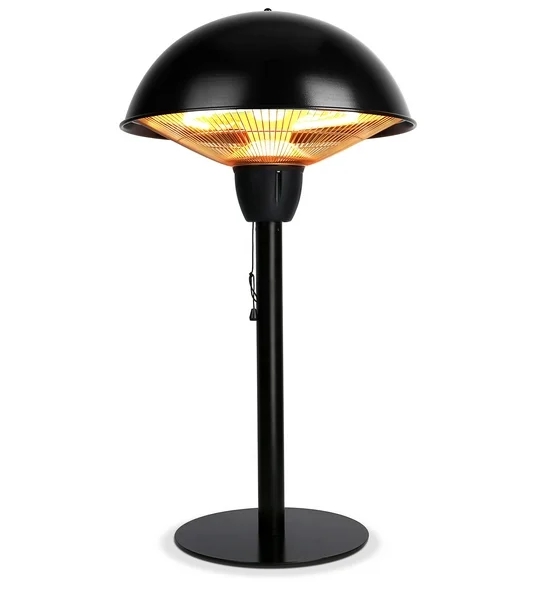
We built this infrared heater for the messy, real-world places where water, steam, and dust never take a day off. The big question we kept coming back to? How do you keep the lamp from dying early when moisture is always trying to sneak in? Here’s the answer: we designed it to fight back against fog and splashes, so the heating element stays protected, steady, and firing on all cylinders.
The Inside Story
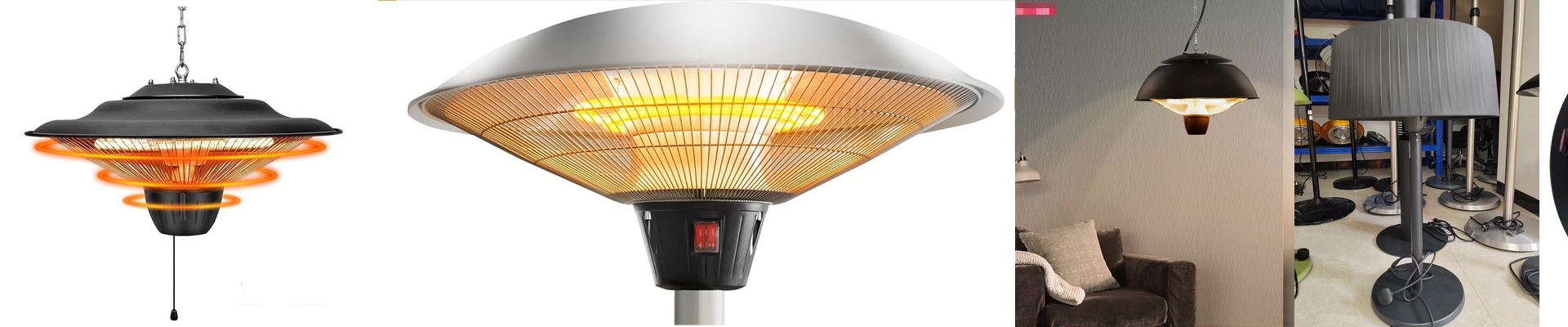
At the heart of this heater is a powerful halogen element. It throws off intense, focused heat—without wasting energy warming up the air around it. And that IPX5 waterproof rating? That means it can take direct jets of water from any angle and still keep the important stuff inside bone-dry. This isn’t just for looks. It stops corrosion on the terminals and keeps the short circuits that shut down regular heaters in humid plants from ever happening.
Power, Packed Tight
This lamp is all about packing a lot of heat into a small space. That lets you mount it right where you need it, without overhauling your whole setup. Just keep one thing in mind: that kind of concentrated power needs good airflow around the equipment. If you don’t plan for cooling, the heat bouncing back can make components run hotter than you might expect.
What It’s Made Of
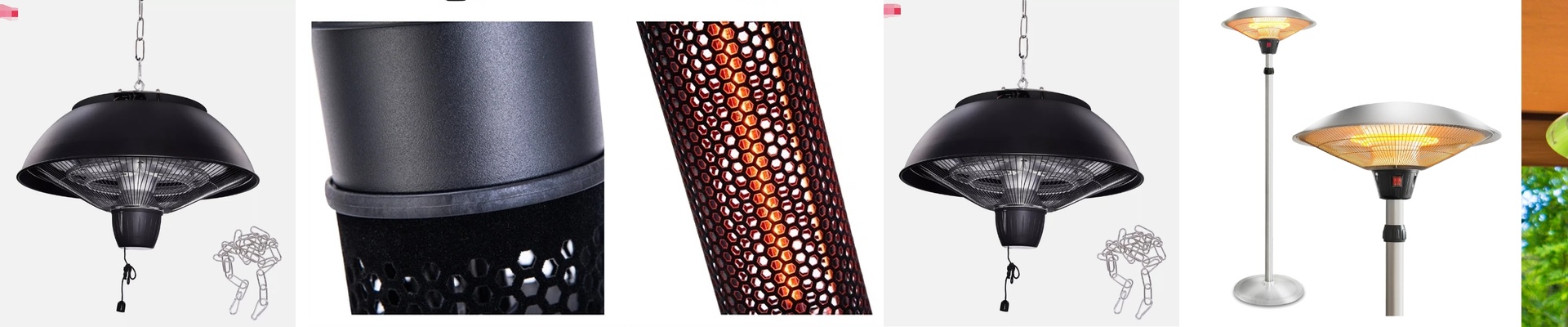
We wrapped the element in a quartz envelope, filled with halogen gas. This combo keeps the filament temperature steady, so the heat stays consistent—even if the lamp gets switched on and off a lot. We also added an anti-fog coating on the inside. It stops condensation from forming on the quartz, which is a sneaky problem that leads to uneven heating, hot spots, and a shortened life. The connector is an R7s, a two-pin, high-temp design that locks in tight. It handles expansion and contraction without loosening up. And the terminals are sealed tight against splashes, so water can’t work its way into the base. That’s the difference between a lamp that survives and one that just keeps going.
Where It Shines
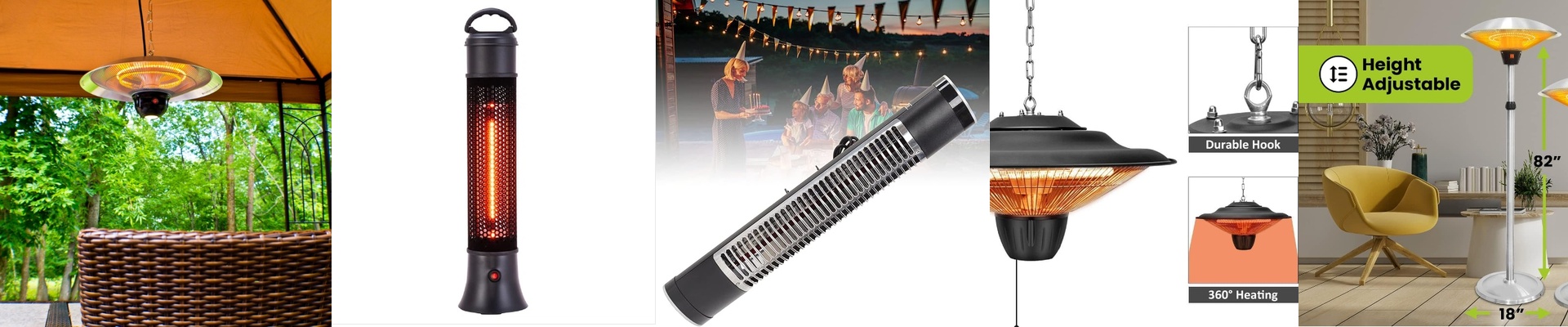
This heater was born for wet, steamy environments—think washdown lines, humid workshops, or equipment left out in the elements. It’s built to last longer and keep you from having to shut things down unexpectedly. You get heat you can count on, performance that’s consistent, and a replacement that’s a simple drop-in and easy to wire up. Just remember that trade-off: all that power means you need to make sure your machine’s cooling is up to the job. Match the heater to the cooling, and you’ll get steady output with way fewer burnouts.