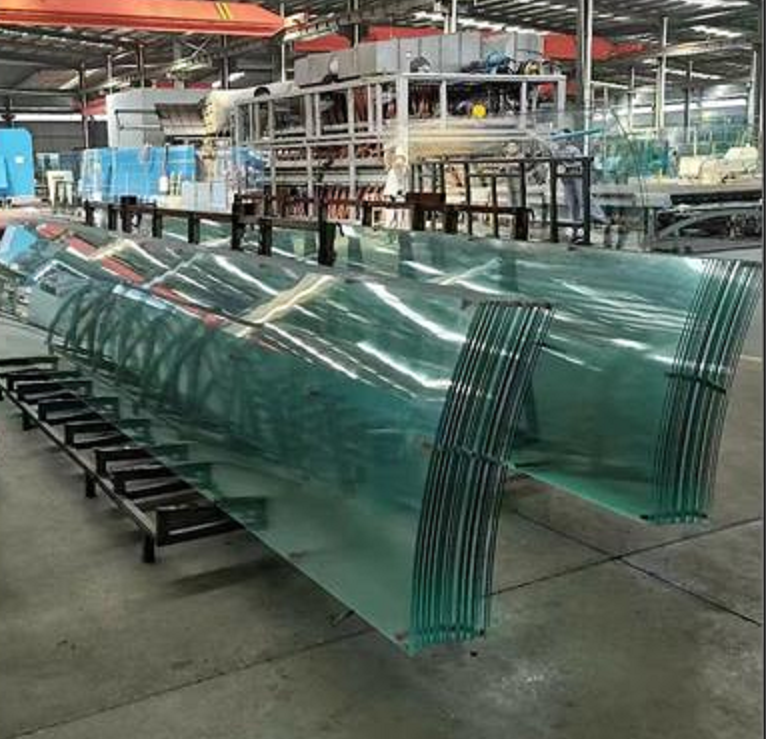
Stop Chasing Your Tail with Glass Batch Variance
Ever feel like you’re fighting your own equipment? You run a batch of glass through the annealing line, and it’s perfect. Then the next batch comes out with weird internal stress or just straight-up breaks. It’s frustrating. Most of the time, the culprit is “cold spots” on your conveyor. It happens because your heating lamps aren’t actually identical. One might be putting out a bit more heat than the one next to it, and those tiny differences add up. By the time the glass hits the end of the line, you’ve got a mess of uneven temperatures and a pile of scrap. The secret is in the consistency. Most shops just throw in standard IR tubes. But we do things a bit differently. We tighten the tolerances on the radiant output. Think about it this way: if one lamp is pushing 2000W and the neighbor is pushing 2150W, your glass surface is jumping around in temperature the whole time it’s moving. We make sure the heat is uniform across the entire length of the quartz. It means no matter where a piece of glass sits on your belt, it hits that soak temperature exactly the same way. A quick word on the gear. We stick with shortwave IR. Why? Because it digs deeper into the glass. It gets the core up to temperature much faster than longwave options would. Usually, we wire these into high-voltage arrays, which keeps the current low and means you don’t need massive, clunky cables getting in the way. But here’s a heads-up: when you pack that much power into a small space, the ends of the lamps get incredibly hot.**Don’t ignore your venting.**If a cooling fan dies or some dust blocks the airflow, those lamp ends will fry. Keep them breathing, or you’ll be replacing tubes way sooner than you should. What this actually does for your day. The best part? You can finally stop messing with your PID tuning every five minutes. You know that feeling of “chasing the sweet spot” for every new batch? That goes away. When your heat source is actually consistent, your cycle times stay locked in. Everything just flows. You get a uniform refractive index across the whole run, and you can actually trust that the glass coming off the line is exactly what you wanted.