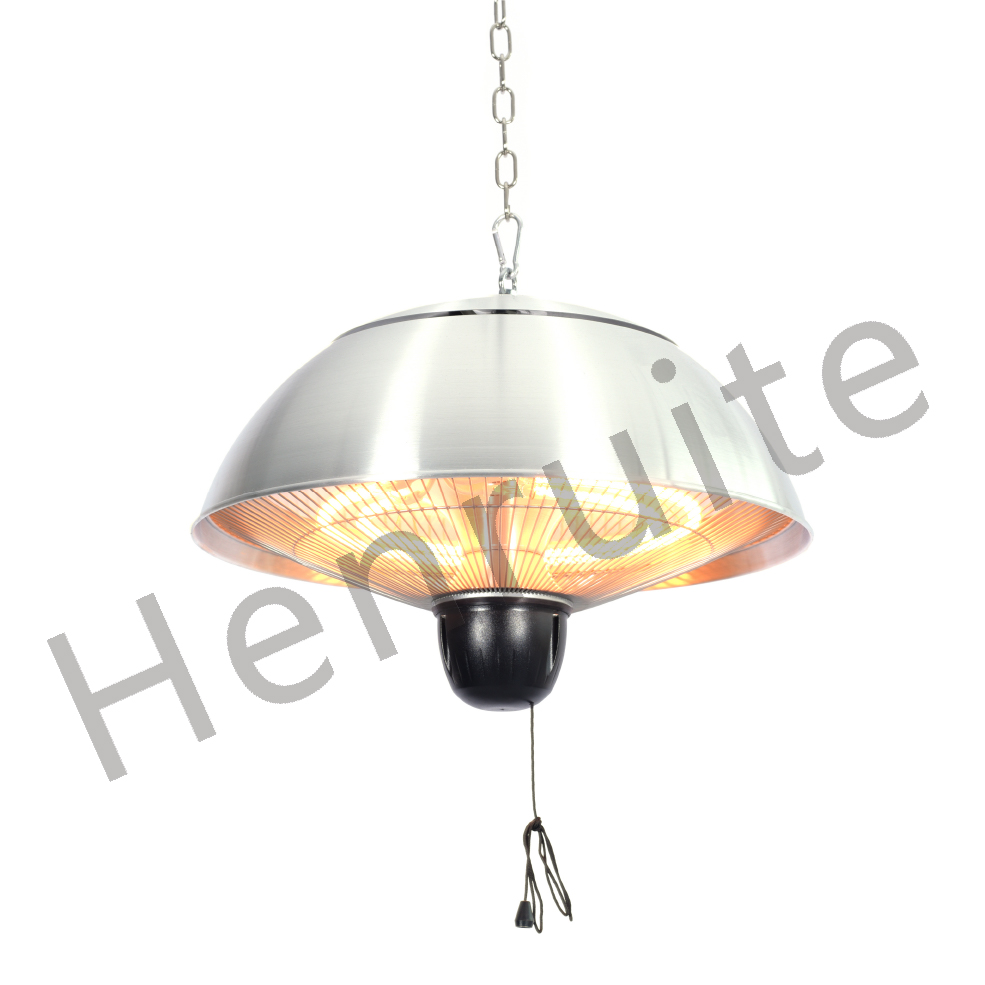
Why We Put Our Bathroom Heaters Through Hell (Before They Reach You)
Let’s be honest: bathrooms are a nightmare for electronics. You’ve got thick steam, sudden temperature jumps, and constant moisture hanging in the air. It’s the perfect storm for a heating element to just… quit. That’s why we don’t just put these infrared lamps together and call it a day. We put every single batch through “wet-heat aging tests.” Basically, we try to break them in our lab so they don’t break in your shower.
The battle against moisture
Here is the deal: those infrared lamps rely on a perfect seal around the quartz envelope. If that seal has even a tiny flaw, moisture sneaks in. Once water vapor touches a red-hot tungsten filament, the metal oxidizes almost instantly. It thins out, gets a hot spot, and snap. Gone. We use these tests to make sure those seals are airtight, even when the air is completely saturated.
Mimicking the steam room
We toss these units into chambers that feel like a sauna. We crank the humidity up to 90% and flip the power on and off, over and over. This forces the materials to expand and shrink. It’s a stress test. We’re looking for wires that shift or contact points that start to rust. If a lamp is going to fail, we want it to happen here. Not in your customer’s house.
Finding the “Sweet Spot”
It’s a bit of a balancing act, though. If we make the seal too tight to keep the water out, we put too much pressure on the quartz tube. Then, if someone turns the heater on in a freezing cold bathroom, the tube could just crack from the thermal shock. So, we spend a lot of time finding that middle ground—where the lamp is tough enough to ignore the humidity but flexible enough to handle a cold start. We keep a close eye on the voltage and wattage throughout the whole process. When a lamp can handle 500 hours of this wet-heat torture and still hit its specs? That’s when we know you won’t be dealing with a mountain of warranty claims.