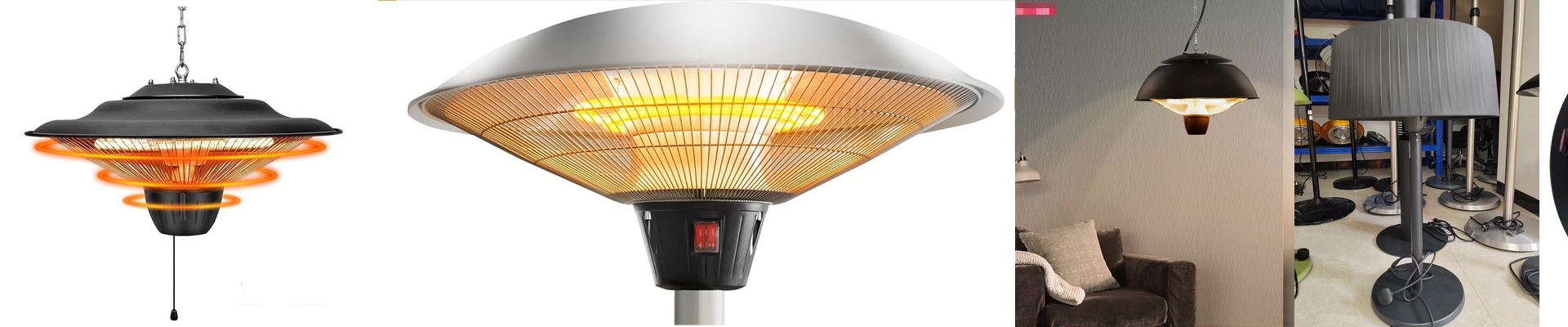
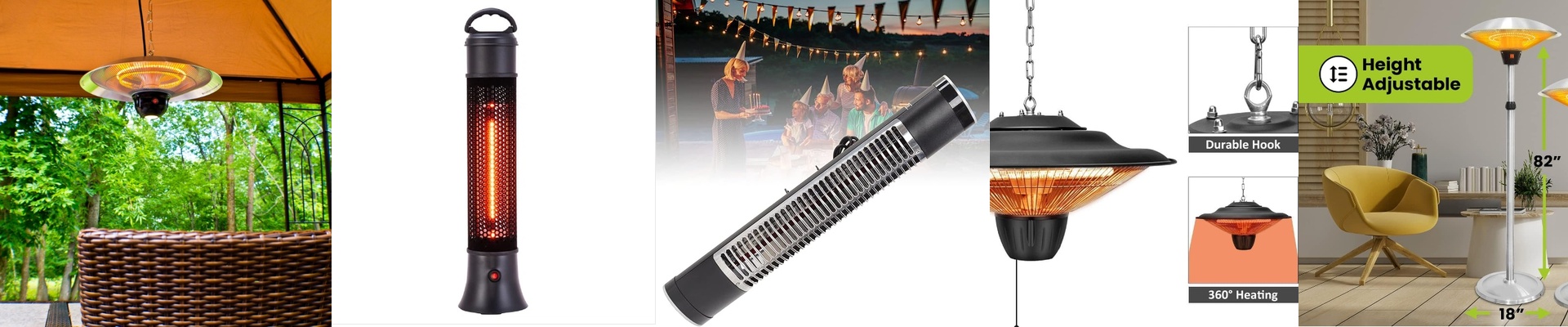
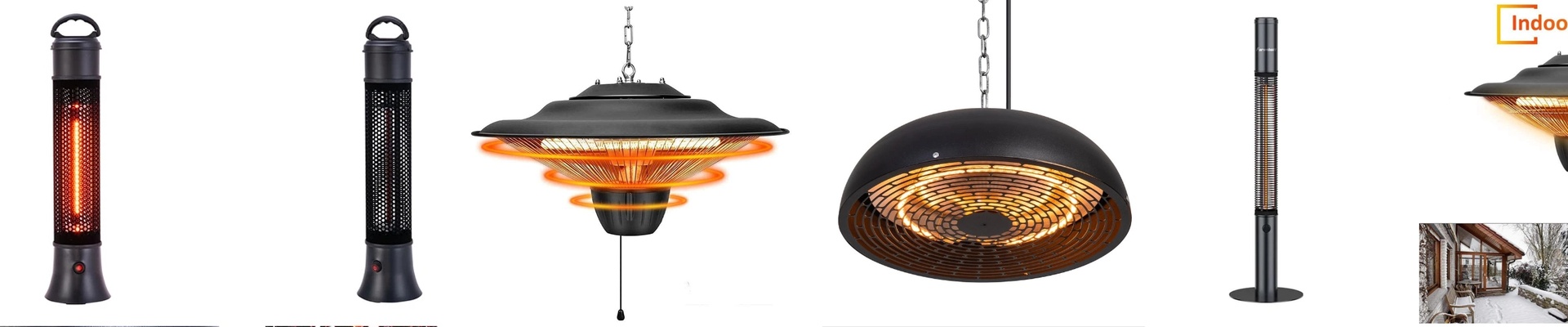
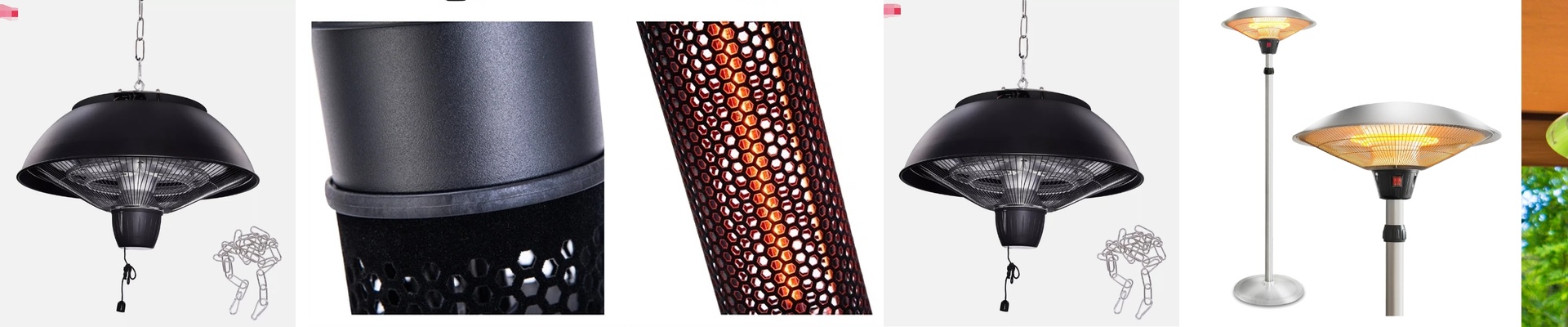
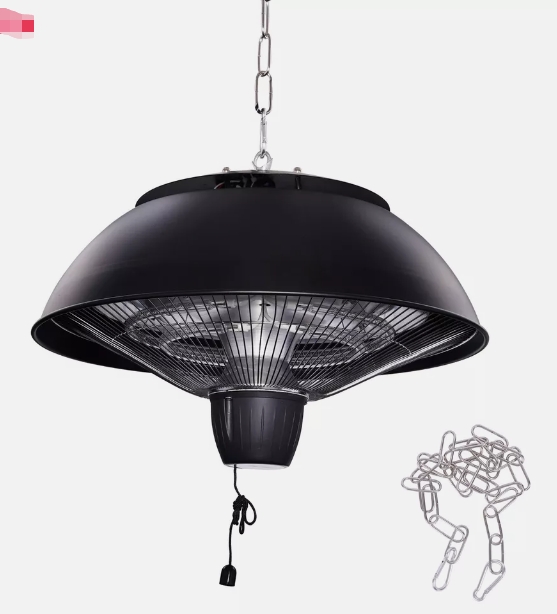
Getting the Heat Right in Bathroom Infrared Heaters
When we design infrared heaters for bathrooms, we’re basically fighting a tug-of-war. You want that instant, deep warmth that hits you the second you step out of the shower, but you don’t want to feel like you’re staring into a stadium floodlight. It’s especially important for kids—their eyes are way more sensitive than ours. Most standard lamps just blast everything at once: visible light, UV, the works. It’s too much. Taming the Light To fix this, we tweak the light spectrum. We use a specific mix of quartz and some internal coatings to block those harsh, blinding peaks. Basically, we push the energy into the long-wave infrared range. You still get the heat soaking into your skin, but you don’t get that annoying glare. Now, there’s a catch. Filtering the light means it’s not quite as fast as a raw, unfiltered tube. But honestly? It’s a trade-off worth making to keep your eyes safe. Water, Steam, and Heat We all know water and electricity are a nightmare pairing. That’s why we build these to IP66 standards. In plain English: they’re dust-tight and can take a direct hit from a high-pressure water jet without blinking. We seal the whole thing with high-temp silicone gaskets and a tempered glass front. That glass has a tough job. It has to let the infrared heat through perfectly, but it also can’t crack when a splash of cold water hits a scorching hot surface. A Few Tips for Setup Here is a heads-up on the electrical side. Halogen elements pull a lot of power the moment they kick on. If you’re putting a few of these in one bathroom, keep an eye on your breaker. You don’t want the lights going dark just because you wanted to feel warm. Also, these things get hot. Really hot. We make sure the housing is vented so the internal electronics don’t bake themselves. One last thing: try to give them their own dedicated line. It stops that annoying flickering you get when the hairdryer or other appliances start running at the same time.