Stop the Bathroom Mold Battle with a Little Bit of Science
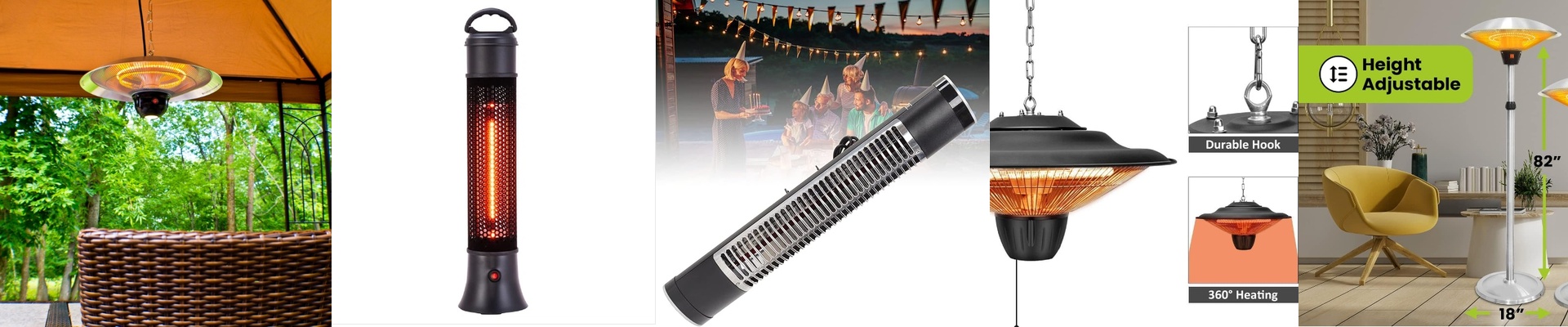
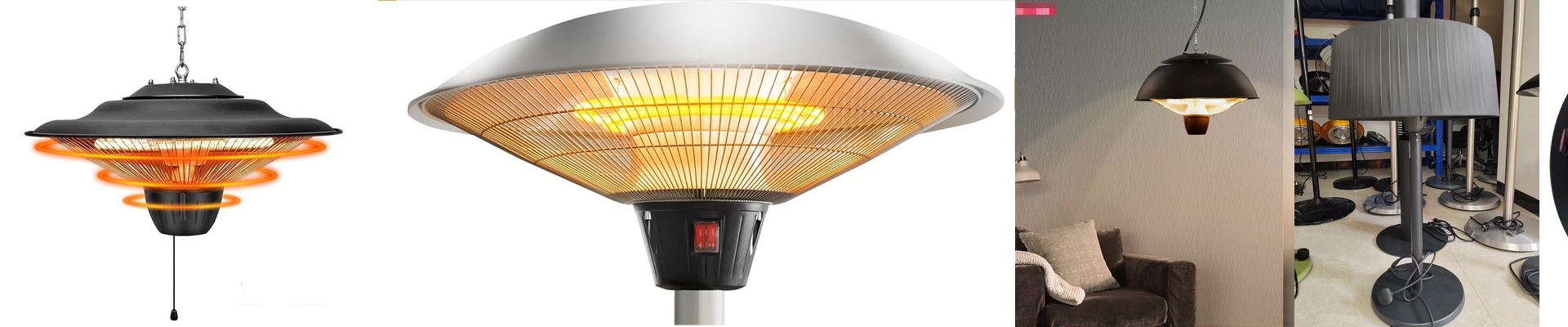
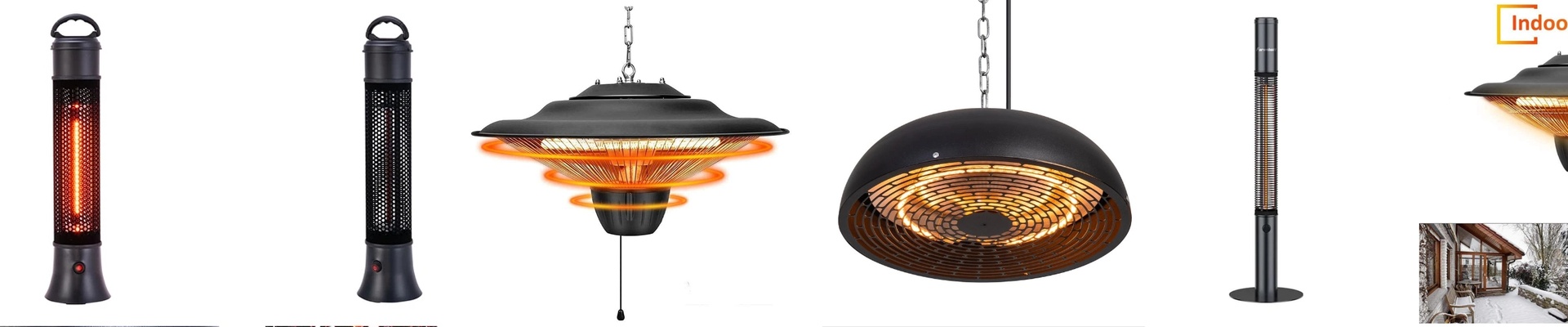
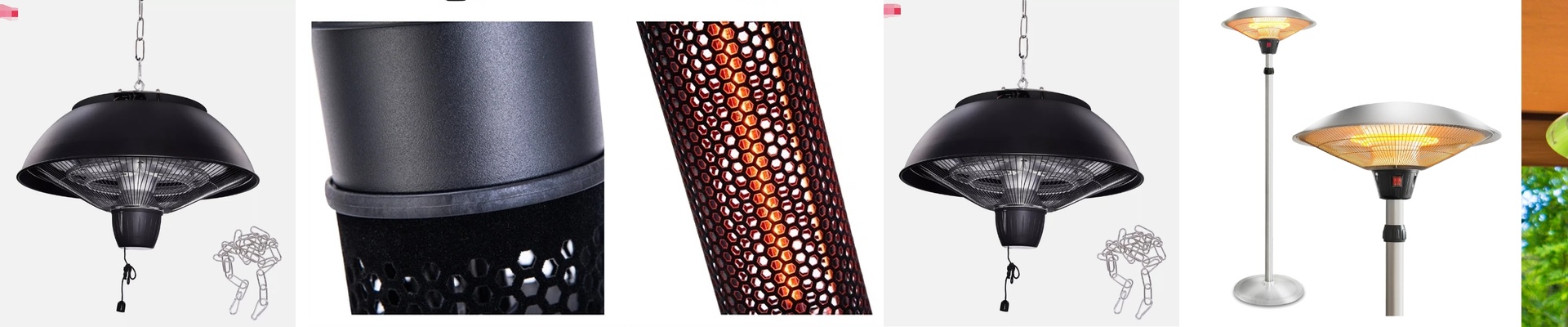
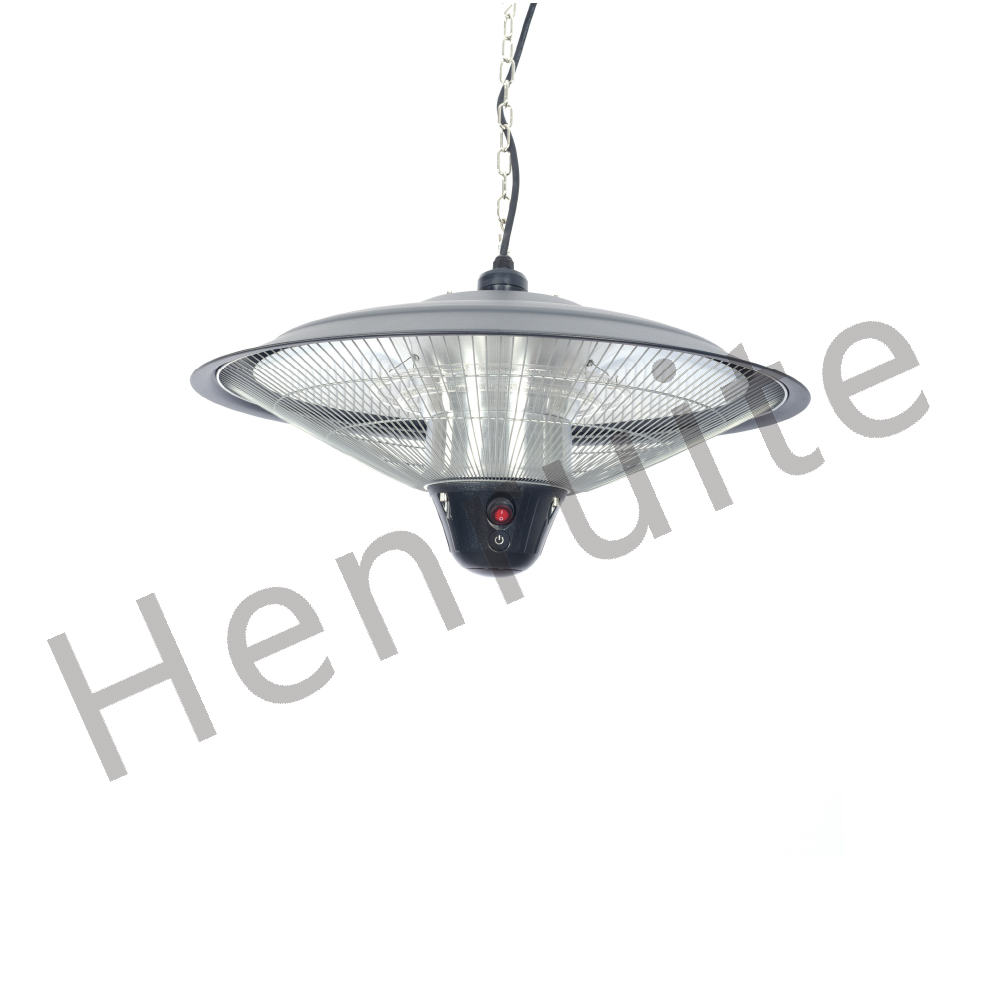
Most people think of those bathroom heat lamps as just a way to keep from shivering while you get dressed in the morning. But if you look at it from an engineering perspective, they’re actually secret weapons for moisture control. When we put an IP55-rated infrared heater in a bathroom, we aren’t just trying to make the room cozy. We’re trying to stop the walls from sweating.
Why your current heater might be failing you
Here’s the thing: standard heaters just warm up the air. The problem is that your walls and ceilings usually stay cold. When that warm, steamy air hits a cold tile, you get condensation. And where there’s condensation, mold spores have a field day. Our infrared lamps work differently. They use shortwave radiation, which means the heat skips the air and hits the surfaces directly. It’s simple. We get the tiles and grout warm enough that water can’t settle on them. No standing water, no mold. It just works.
Built for the steam
Bathrooms are basically torture chambers for electronics. Steam and splashes can kill a cheap unit in no time. That’s why we use IP55 enclosures. In plain English? It means the housing is sealed tight against dust and can handle water jets hitting it from any angle without shorting out. We use quartz glass and halogen filaments because they snap to full heat instantly. You don’t have to wait around for the room to warm up. Just a heads-up, though: these things put out a lot of power. Make sure your wiring can handle the wattage so you don’t stress out your junction boxes.
Getting the placement right
You can’t just throw these in randomly and expect a miracle. If you leave a “cold spot” in the corner, that’s exactly where the mold will move. The trick is to aim the lamps at the spots that stay the dampest—usually right around the shower. By creating a “dry zone” there, you basically push the moisture toward your exhaust fan. It’s a simple swap for your old heat lamps, but it makes the whole room feel healthier.