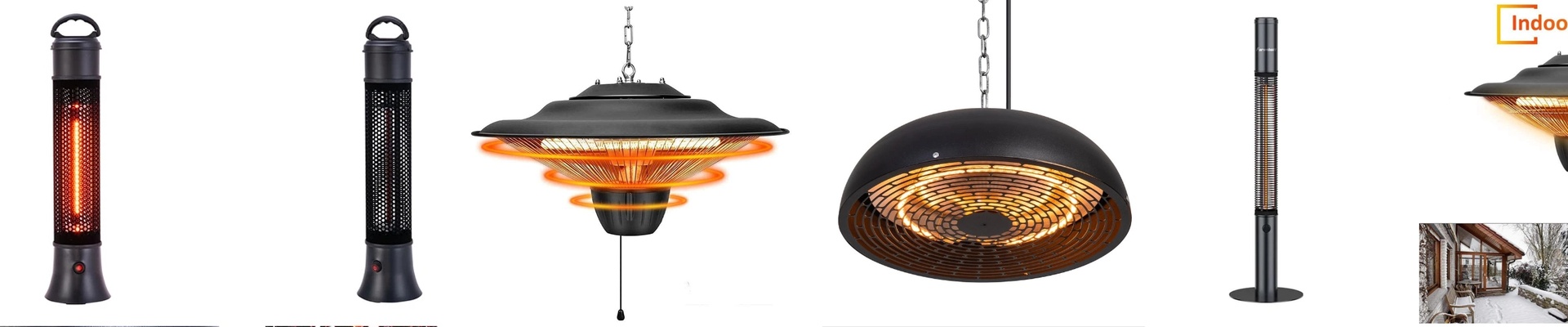
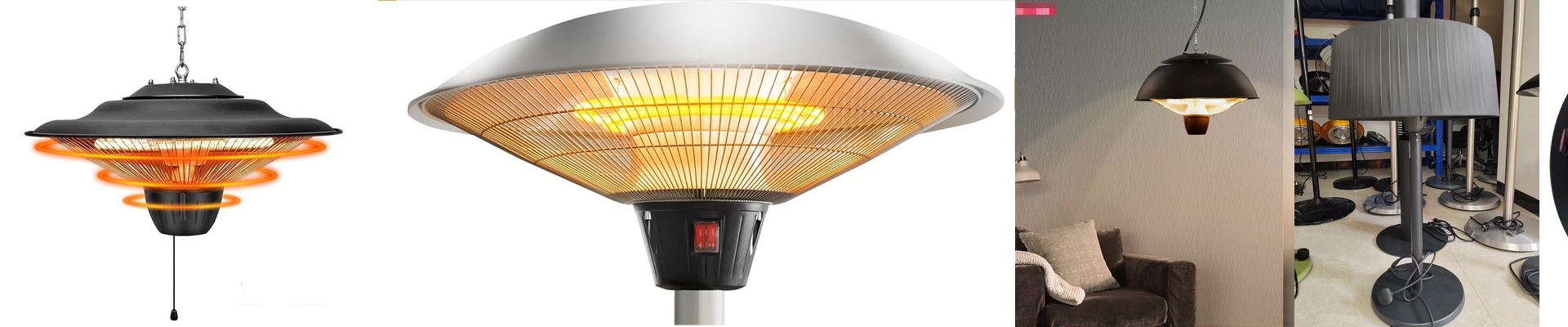
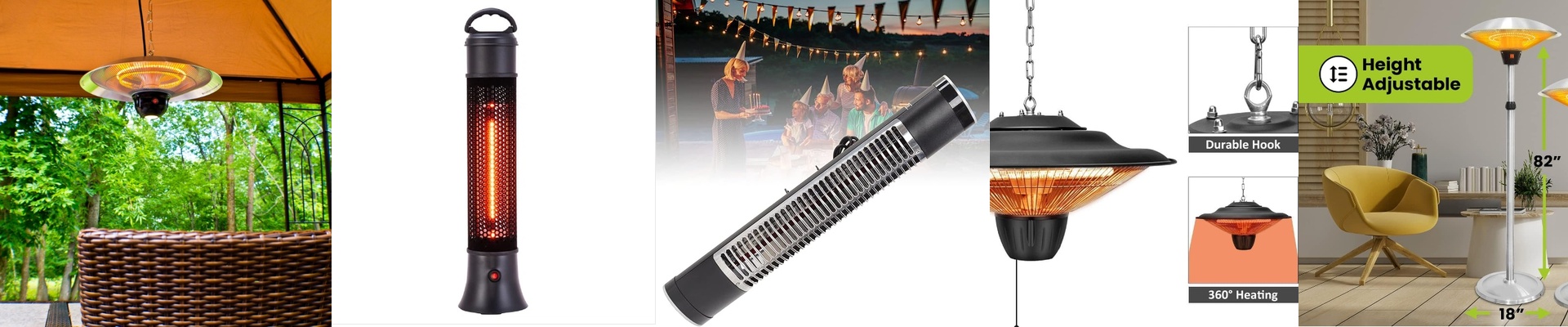
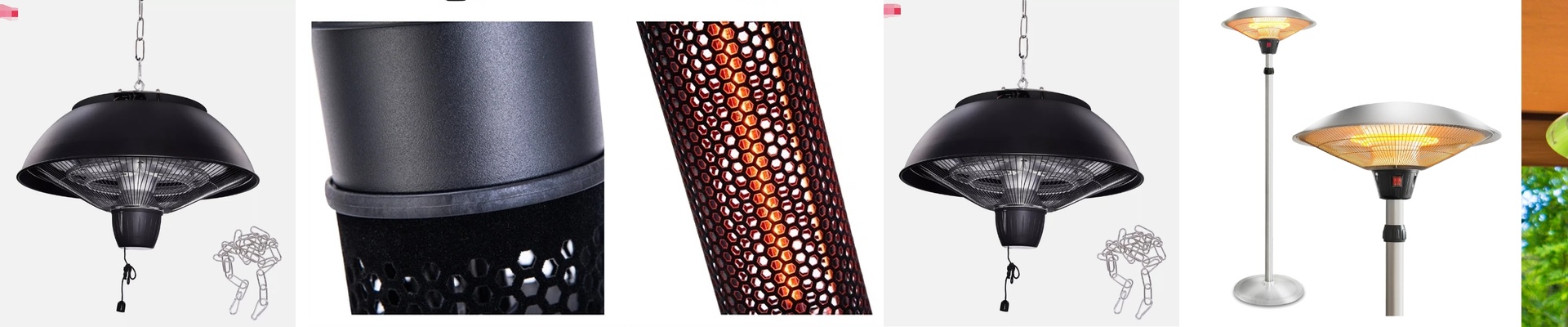
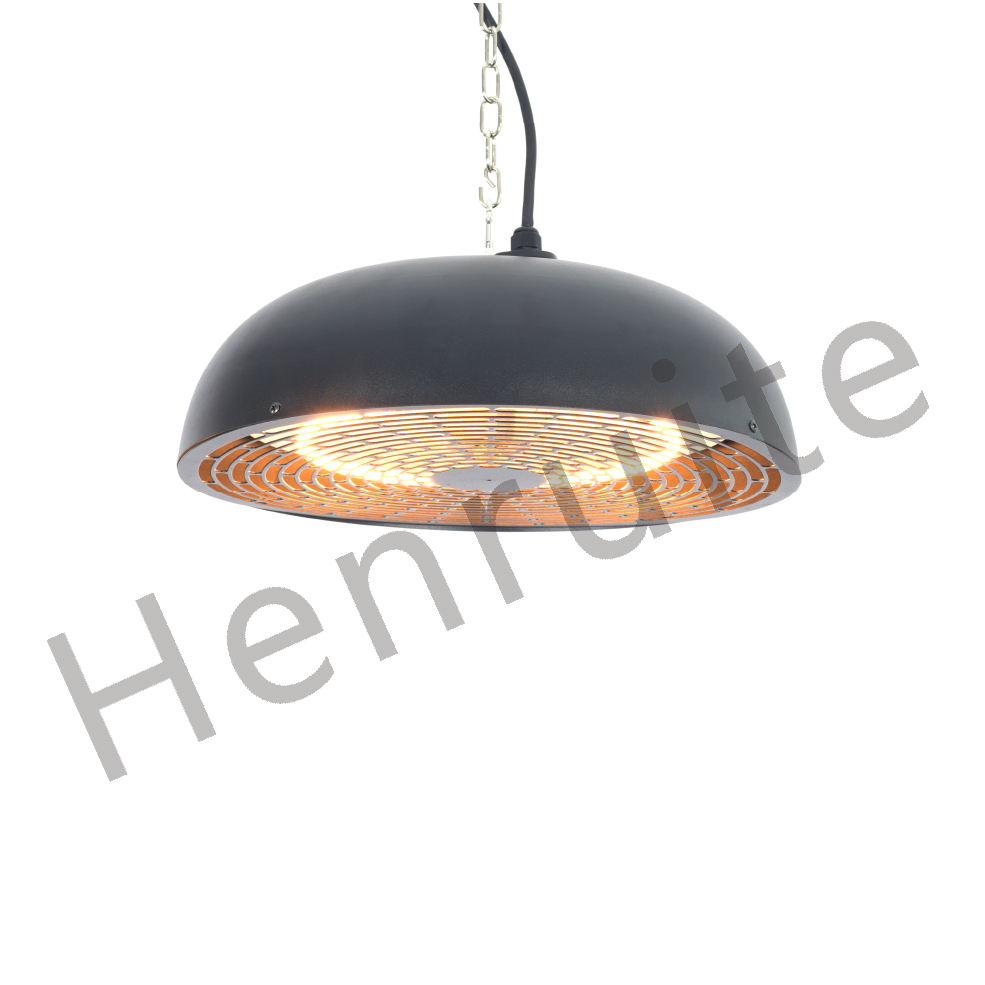
Why we put our bathroom heaters through a “steam torture test”
Let’s be honest: bathrooms are a nightmare for electronics. You’ve got thick steam, constant humidity, and wild temperature swings. It’s basically a swamp in there. Most companies just glance at a spec sheet, check an IP rating, and call it a day. We don’t. We put every single batch of our infrared lamps through “damp-heat aging.” It sounds fancy, but it’s basically just stressing the hell out of the units to make sure they don’t quit on you three months after you install them. The problem with steam Water vapor is sneaky. It gets into places that a rain shower wouldn’t even touch. In a bathroom, that steam finds every tiny gap in a seal. Once it hits the internal wiring or the lamp terminals? You get rust, oxidation, and eventually, a short circuit. To stop that, we use aging chambers. We simulate years of steamy showers in just a few weeks. If a gasket is weak or a quartz seal isn’t perfect, it’ll fail in the chamber—not in your ceiling. The “Cold Air, Hot Lamp” struggle Here is the tricky part. These lamps get incredibly hot, but the air around them in a shower stays chilly. That difference creates condensation right on the housing. If the seal isn’t tight enough, water literally tracks along the wires. We look for “burn outs” caused by these tiny leaks. Usually, if a unit fails, it’s because a connector is a bit loose or the potting compound isn’t quite right. We catch it here so you never have to deal with it. The balancing act You might think, “Just seal it airtight then!” But there’s a catch. If we seal the unit too tight, the heat gets trapped inside. It basically bakes the capacitors and kills the lamp’s lifespan. It’s a tug-of-war. We have to make the housing waterproof, but still let the internal parts breathe. It takes a lot of tweaking to get that balance just right. That’s why we insist on these aging tests. It’s the only real way to know the heater can handle the steam without cooking its own guts.