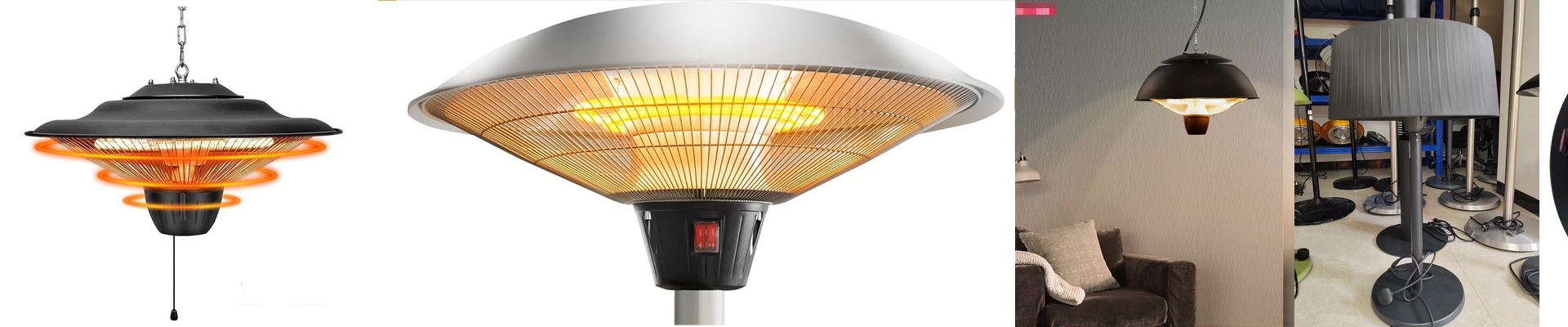
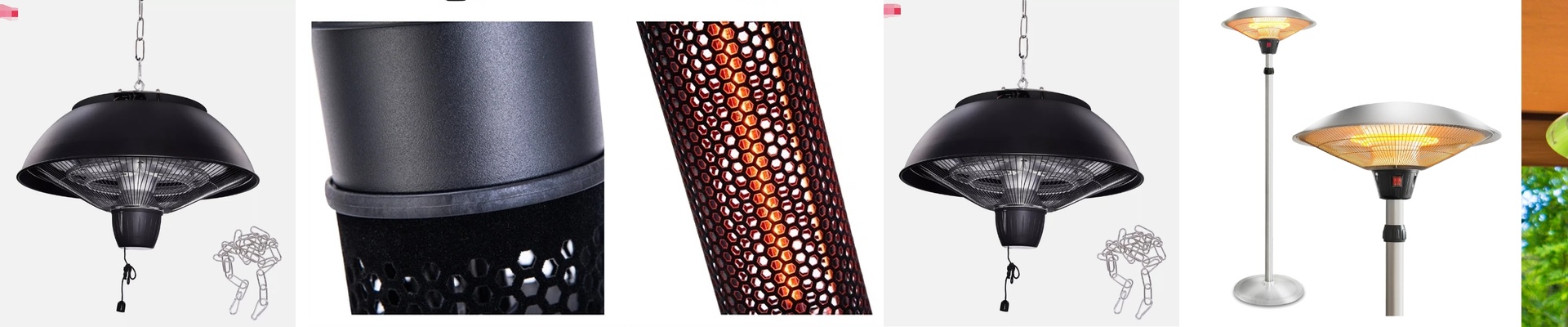
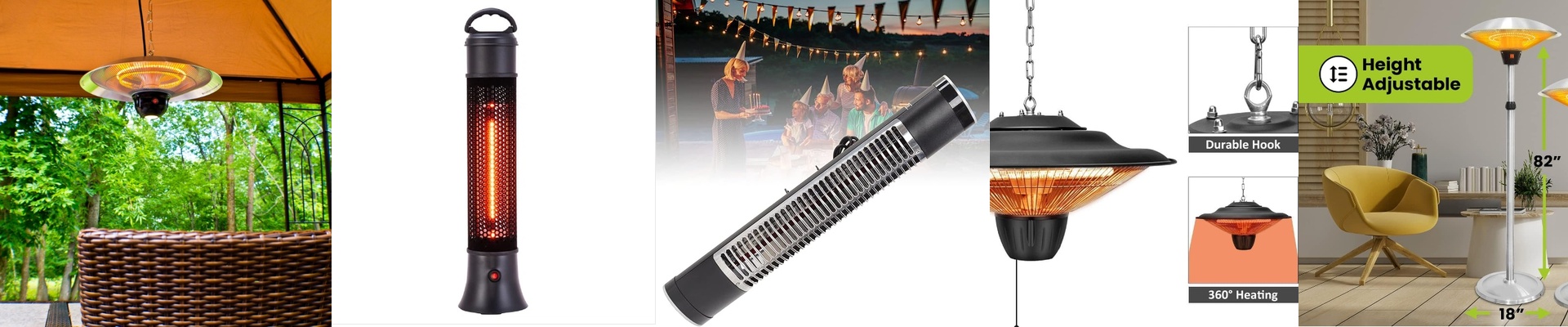
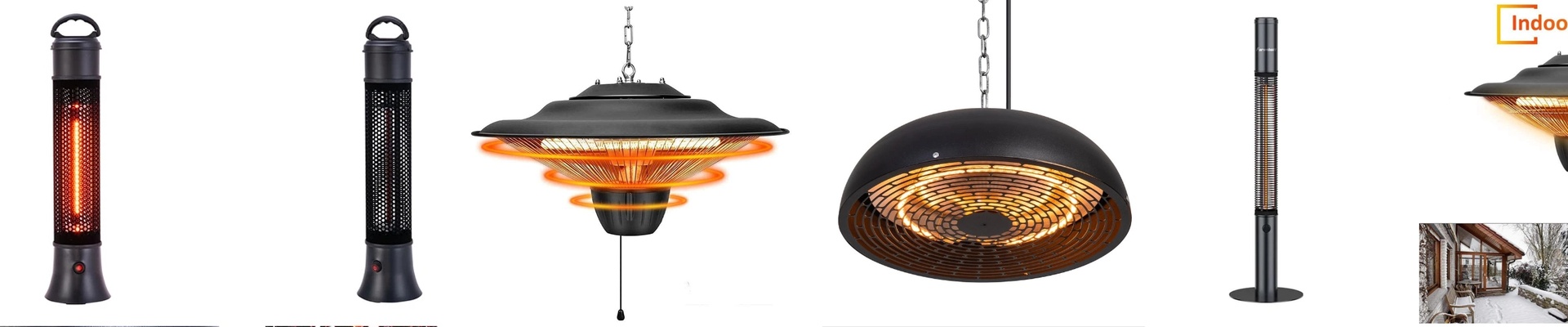
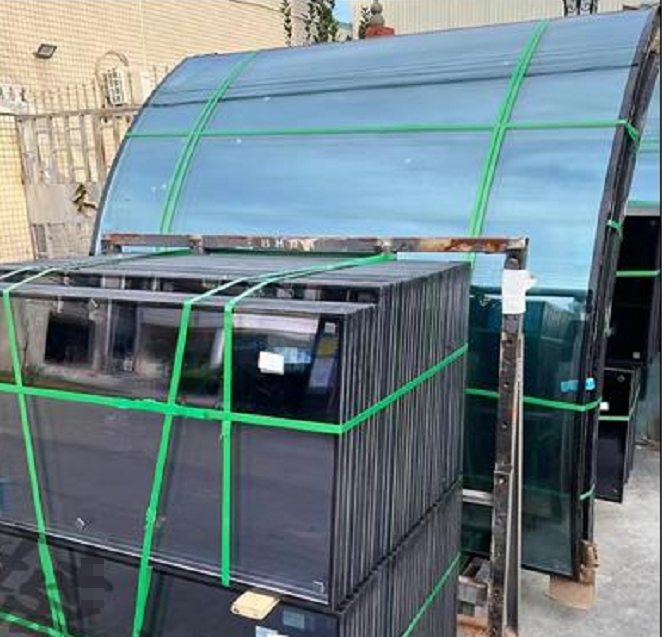
Cutting through ultra-thick glass is a brutal process. If you’ve ever tried to score a thick plate cold, you know exactly what I mean—it’s a fight. The friction is intense, the mechanical stress is huge, and your cutting wheels just get chewed up. The trick is to stop fighting the glass and start softening it. We use high-penetration infrared (IR) heating lamps to warm up the glass right along the path where the cut happens. It basically takes the edge off the resistance, so the blade doesn’t have to struggle so hard. Why shortwave IR? Here’s the thing: standard longwave heat is useless here. It just sits on the surface like a warm blanket. We use shortwave IR lamps because they actually punch through the glass. They blast energy deep into the material, raising the temperature just enough to make it a bit more “pliable” without actually cracking the glass or causing a thermal shock. Instead of the wheel grinding away and screaming, it just glides. The gear (and the catch) We usually go with high-wattage quartz halogen tubes. You need that heat to be concentrated—a tight, narrow beam aimed right at the score line. But a word of warning: these things get incredibly hot. If you’re pushing 2kW or more in a small housing, don’t skimp on your cooling fans. If you do, you’re going to melt your wiring or warp your brackets, and that’s a headache nobody wants. Saving your blades When the glass is pre-heated, the impact on the cutting wheel drops significantly. No more chipped diamond edges. You end up getting way more mileage out of every single blade. Sure, you’ll spend a bit more on the electric bill to run the lamps, but that’s a tiny price to pay compared to the cost of constantly replacing consumables and dealing with downtime. Just make sure you wire it up to a PID controller. It keeps the temperature steady, which means your cuts stay consistent.