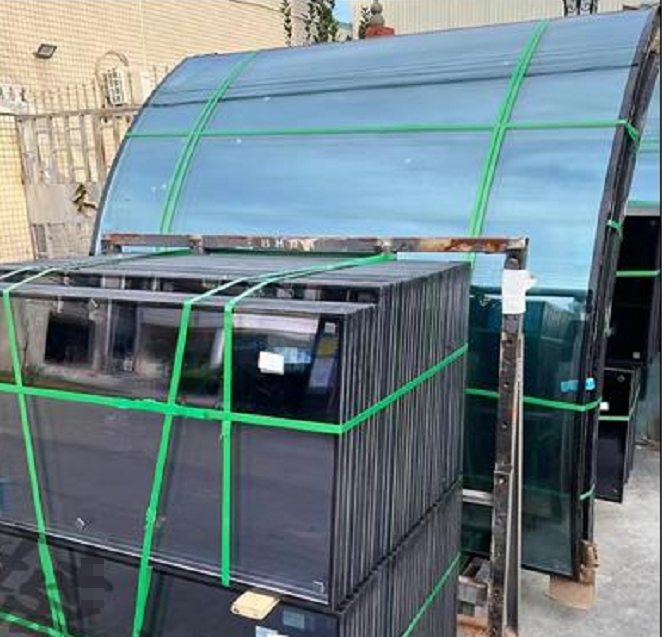
Getting Low-E Glass Preheating Right (Especially the Wide Stuff)
If you’re working with Low-E glass sheets wider than 3 meters, you know the struggle. You put them in the oven, but you still end up with these annoying cold spots. Standard, off-the-shelf lamps just can’t keep up with that kind of scale. That’s why we don’t do “standard.” We build infrared heating units that actually fit your specific footprint, so the heat hits every inch of the glass evenly.
The headache of 3-meter units
You might think building a longer lamp is as simple as just using a longer quartz tube. It’s not. Long tubes tend to sag, and suddenly your heat distribution is all over the place. We spend a lot of time balancing the wattage and voltage. We tweak the filament winding so the edges of your glass get just as hot as the center. One quick tip: check your power supply. A 3-meter array pulls a lot of current. If your wiring isn’t rated for the load, you’ll get voltage drops, and that ruins the whole process.
Quartz and the “Heat Shock” problem
We use high-purity quartz to house the filaments because it can take a beating. In annealing cycles, the temperature swings are brutal, and cheap materials just crack. For Low-E glass, the spectrum matters. We make sure the heat actually penetrates the coating instead of just sitting on the surface and causing defects. Plus, we use industrial connectors that won’t melt or wiggle loose when things start expanding from the heat.
Making it work in your shop
These units are designed to drop right into your existing ovens. They speed up preheat times and stop you from wasting electricity. But here’s the thing: these high-density arrays put out a massive amount of ambient heat. If your ventilation isn’t up to the task, you might accidentally cook the surrounding machine parts. And please, double-check your spacing. If the lamp is too close to the glass, you’ll get hotspots. Give it some breathing room, and it’ll work beautifully.