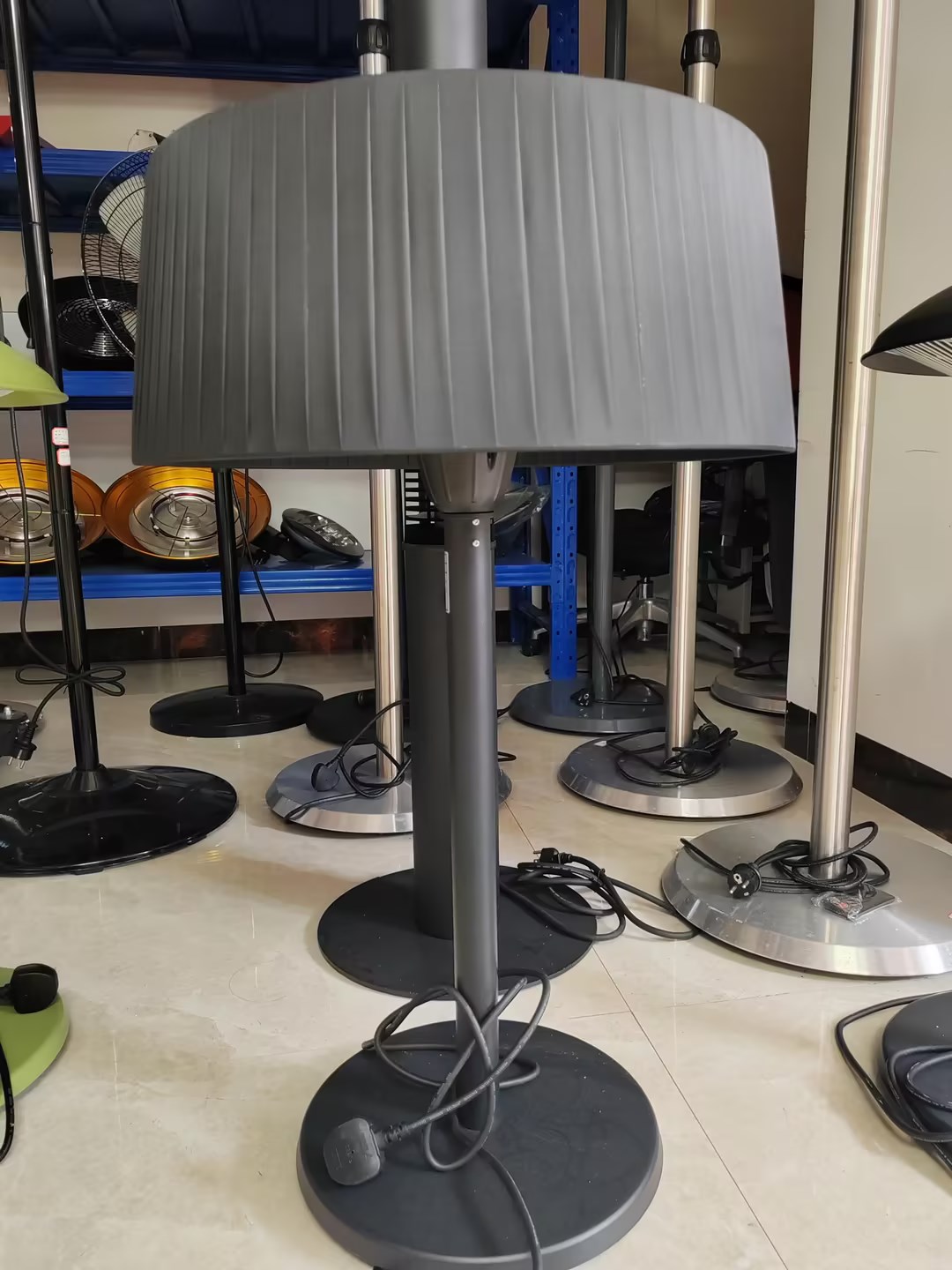
Keeping the Chill Out: How Our Smart Heaters Actually Work
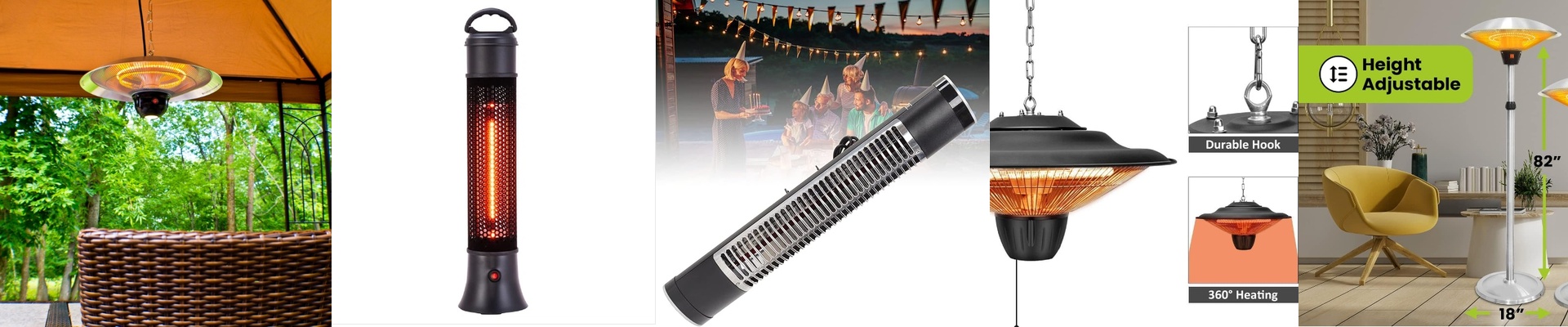
Let’s be honest: nothing kills a great outdoor vibe faster than a freezing breeze. But if you’re putting heaters outside, you can’t just toss any old appliance on the patio. You need something that won’t fry the first time it rains. That’s why we build our units to IP65 standards. In plain English? They’re dust-tight and can handle a good soaking from a hose or a snowstorm without blinking. It keeps the guts of the machine safe so you aren’t replacing wiring every spring.
Heat That Hits Different
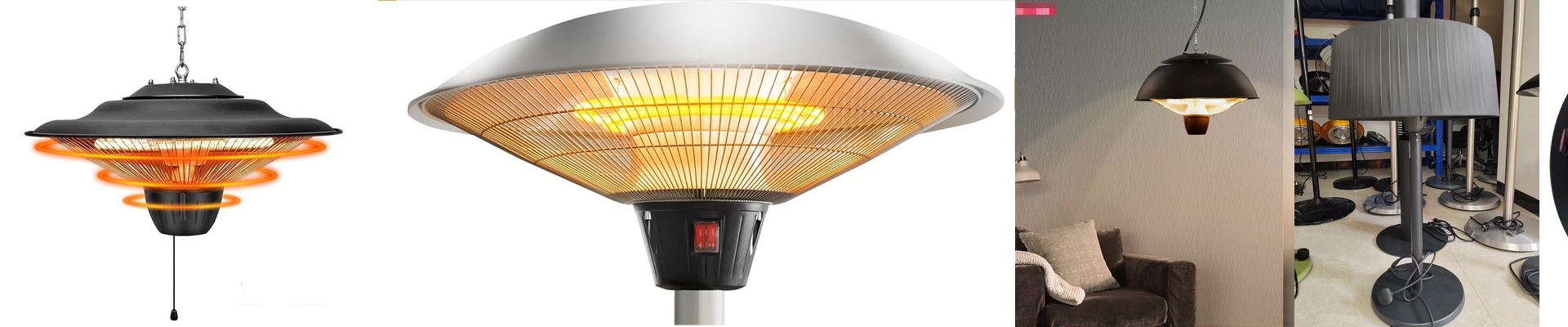
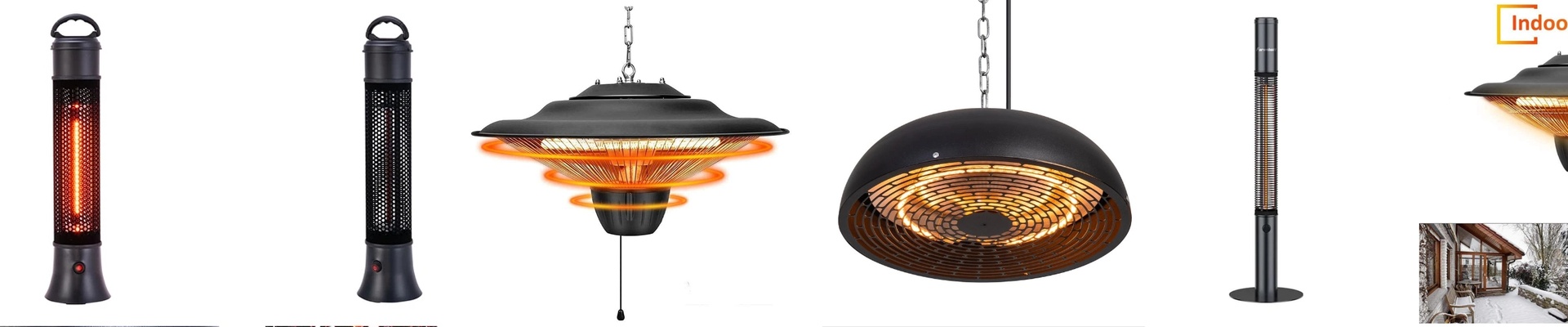
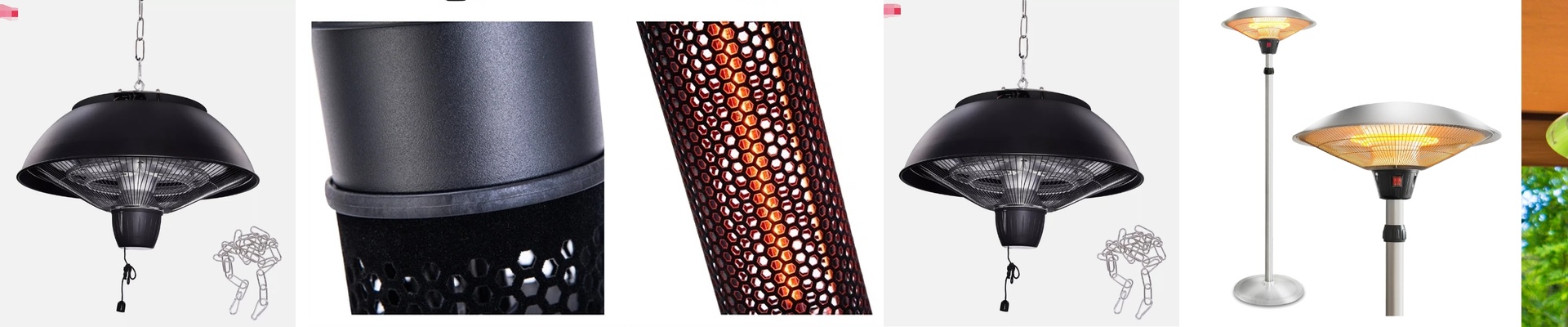
Most heaters try to warm up the air around you. The problem is, outdoors, the wind just blows that warm air away. We do things differently. We use short-wave infrared. Think of it like the sun—the air stays cold, but the moment the light hits your skin, you feel the warmth. There’s no waiting around for a coil to glow or a fan to kick in. You flip the switch, and it feels like spring. Just like that.
Making it “Smart”
We all want that “one-click” life. To make that happen, we basically build a bridge between the heavy-duty power the heater needs and the low-voltage brain of a smart home. We usually hook a heavy-duty relay up to a Zigbee or Wi-Fi gateway. It’s a simple setup: you tell your app or your voice assistant to turn on the heat, the gateway pings the relay, and the heater kicks on. It’s fast, easy, and means you don’t have to get off the couch to fix the temperature.
The Honest Truth (The Trade-offs)
Now, here is the catch. Whenever you add “smart” tech, you add a potential headache. If your internet goes down or the gateway glitches, your app won’t work. That’s why we always put in a physical override switch. Because sometimes, you just want to hit a button and get warm without fighting with your Wi-Fi. One last thing: these heaters pull a lot of power. You can’t just plug them into a cheap extension cord. Make sure your cabling and breakers are up to the task, or you’ll be spending your winter flipping the mains switch back on. And for the tech folks—don’t skimp on the heat sinking for the SSR, or the system will shut itself down just when you need it most.