Stop the Chipping: Why We Preheat Glass Before Cutting
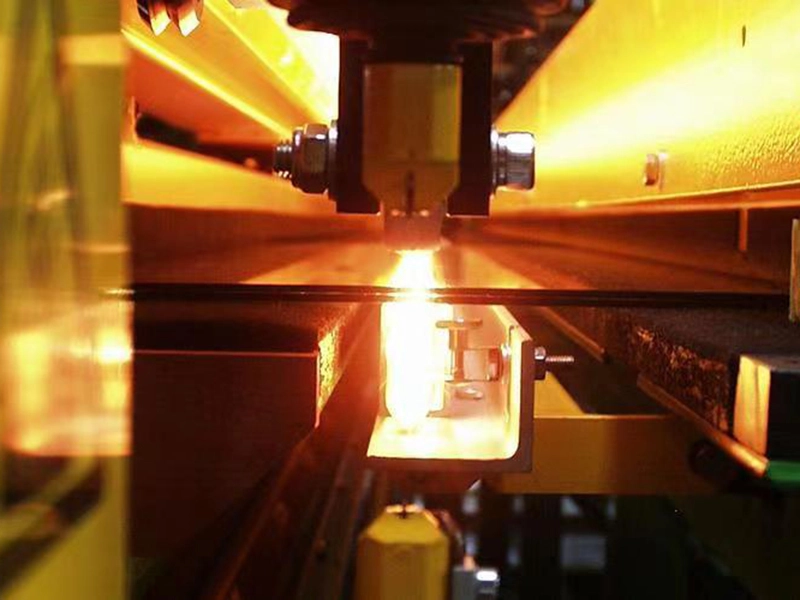
Cutting cold glass is basically a gamble. You score it, you break it, and you just hope the edges don’t chip or shatter. When the glass is sitting at room temperature, those internal stresses are just waiting for a reason to act up. We found a better way. Instead of diving in cold, we use infrared (IR) preheating right before the cutting head makes its move. The logic is pretty simple. Glass is brittle. By hitting the surface with IR lamps, we warm things up just enough to lower the surface tension. When the glass is warm, the crack actually follows your score line. It doesn’t wander. It doesn’t jump. You get a clean break. That means way fewer rejects piling up on your floor and a lot less time spent grinding down rough edges. Now, the gear matters. To get that heat into the glass without making a mess of the process, we use quartz glass sleeves for the lamps. We don’t use standard borosilicate because it can’t handle the thermal shock. Quartz, on the other hand, lets the short-wave IR radiation pass straight through. But here’s the catch: these sleeves have to stay clean. If they get dusty or if you use a cheap grade of quartz, you lose that heat density. Your preheat zone gets patchy, and suddenly, those annoying chips are back. It’s all about the balance. Adding IR preheating does mean your machine pulls more power. You also have to sync the lamp intensity with how fast your line is moving. You can’t just crank the heat to the max. If you do, you’ll create too much thermal stress and the glass might just pop on its own. It’s a bit of a dance—you have to tune the wattage and the line speed until you hit that sweet spot where the glass is just pliable enough to behave, but not so hot that it breaks.