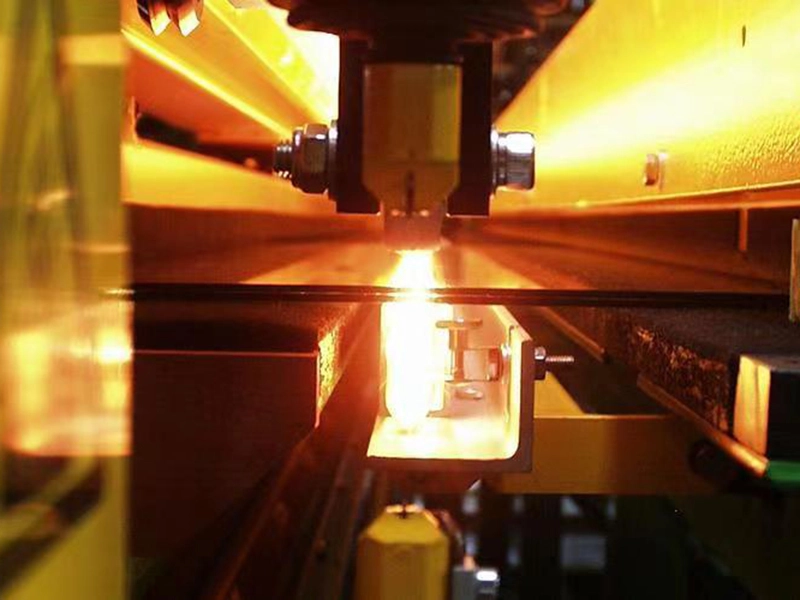
Why Short Wave IR is the Go-To for Online Glass Annealing
In a glass plant, stopping the line is the last thing anyone wants. It’s a nightmare. Once you’ve formed the glass, you need to get it to the right temperature for annealing—and you need it to happen now. You can’t exactly carve out a massive amount of floor space for a giant oven. That’s where short wave quartz infrared lamps come in.
Why it hits different
Here is the thing about short wave IR: it operates at higher frequencies and shorter wavelengths than the medium or long wave stuff. In plain English? The energy actually sinks deeper into the glass, and it does it way faster. We use quartz envelopes because they can take a beating. They handle the shock of jumping from cold to scorching hot without cracking. When you flip the switch, these lamps hit full power in seconds. You aren’t standing around waiting for a heating element to slowly warm up. The energy just jumps straight into the glass molecules. It’s almost instant.
Dealing with the heat
To keep a production line moving, you need some serious power. We use high-wattage quartz tubes to make sure the temperature stays consistent across the entire width of the glass. No cold spots. You can hook these up to zoned controllers, which lets you tweak the heat on the fly. But a word of caution: all that energy creates a lot of heat. If you skimp on the cooling fans or mess up the ventilation, you’re going to fry your wiring and kill your lamps.Don’t forget the fans.
Making it work in the real world
Nobody wants to spend four hours rewiring a rack just because one lamp burned out. That’s why we use standardized connectors. If a lamp goes, you just swap it out in a few minutes and get back to work. By lining these lamps up in an array, you basically create a thermal tunnel. For a lot of shops, this means you can ditch those massive, clunky lehrs and just bake the annealing process right into the production flow. The glass keeps moving. The internal stress stays gone. And your line keeps humming along without a hitch.