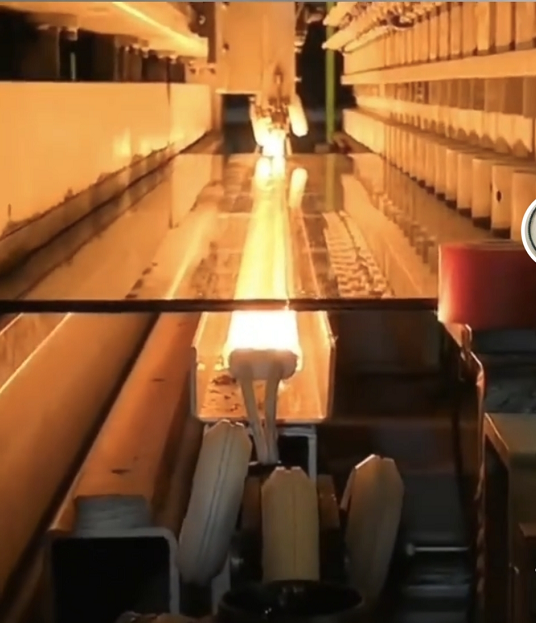
Getting Wide-Format Low-E Glass Preheating Right
When you’re working with Low-E glass that’s wider than 3 meters, you can’t just grab a standard lamp off the shelf and hope for the best. You need heat that’s consistent from one edge to the other. If you have cold spots across that kind of width, you’ve got a problem. That’s why we build custom clear quartz infrared tubes specifically for these massive heating tunnels. The struggle with length Scaling a quartz tube up to 3 meters (or more) isn’t as simple as just making it longer. Physics gets in the way. When a tube gets that long, the filament wants to sag. If it dips too far, it breaks. Simple as that. To stop that from happening, we use high-purity clear quartz so the heat actually gets through. But the real secret is in the tension. We’re obsessive about how the tungsten wire is wound and exactly where the supports go. It keeps everything tight and stable, even when it’s glowing hot. Power and the electrical headache Running a 3-meter unit is a bit of a balancing act with your power. Here’s the thing: if you try to run these at low voltage, the current draw spikes. Your standard wiring just can’t handle that kind of amperage. To keep things safe and manageable, we usually design these for higher voltage. Just make sure your power supplies can actually handle the total wattage of the bank. A single one of these units pulls a lot of juice. The trade-offs you need to know We’ve designed these to be drop-in replacements for your existing Low-E lines, and we use reinforced end-caps so they don’t snap during installation. But I’ll be honest with you—clear quartz is fragile. It’s the best choice for heat penetration, but a 3-meter tube is basically a giant tuning fork. If your machinery vibrates, that tube can crack. Make sure your mounting brackets are locked down tight to kill any resonance. And if your shop is particularly shaky, let’s talk about dampened supports before you install them. It’ll save you a lot of frustration later.