Stop Wasting Heat: A Better Way to Handle Glass Annealing
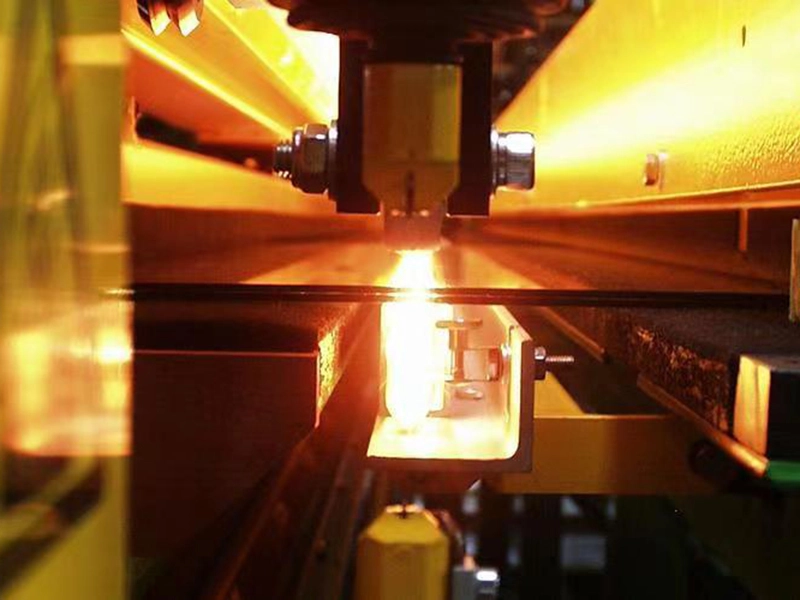
Let’s be honest—glass bending and annealing are absolute energy hogs. If you’ve ever stood next to one of these machines, you know the feeling. You can practically feel the heat bleeding into the frame and escaping into the shop air. Most of the energy your infrared lamps pump out never even touches the glass. It’s just… gone. We decided to fix that. Our reflectors are built to stop that leak and push the short-wave radiation exactly where it belongs. The simple physics of it Think about a lamp without a reflector. It throws heat in every single direction—a full 360 degrees. In a bending setup, that means you’re losing half your energy the second you flip the switch. We use high-purity aluminum or gold-coated surfaces to catch that wasted heat and bounce it straight back onto the workpiece. It makes the heat density on the glass surface much stronger without you having to crank up the wattage. You just hit that softening point faster. Getting the setup right We know space is usually tight, so we build these to fit into small footprints. When you pair a high-wattage halogen tube with a parabolic reflector, you’re concentrating the thermal load. Here’s the cool part: you can often actually remove a few lamps from your array and still hit the same temperature profile. But a heads-up: concentrating heat this way makes things get really hot at the lamp’s base. Make sure your wiring and sockets can handle the extra ambient heat. If they aren’t rated for it, you’re going to see your connectors burn out way sooner than they should. What this does for your wallet Less power per piece means a smaller electricity bill at the end of the month. It’s that simple. By dialing in the focal point of the reflector, we cut down the time it takes for the glass to reach bending temperature. Fewer kilowatts, faster throughput. If you’re still using old-school heaters that turn your machine chassis into a giant radiator, switching to a directed infrared system is the quickest way to bring your cost per unit down.