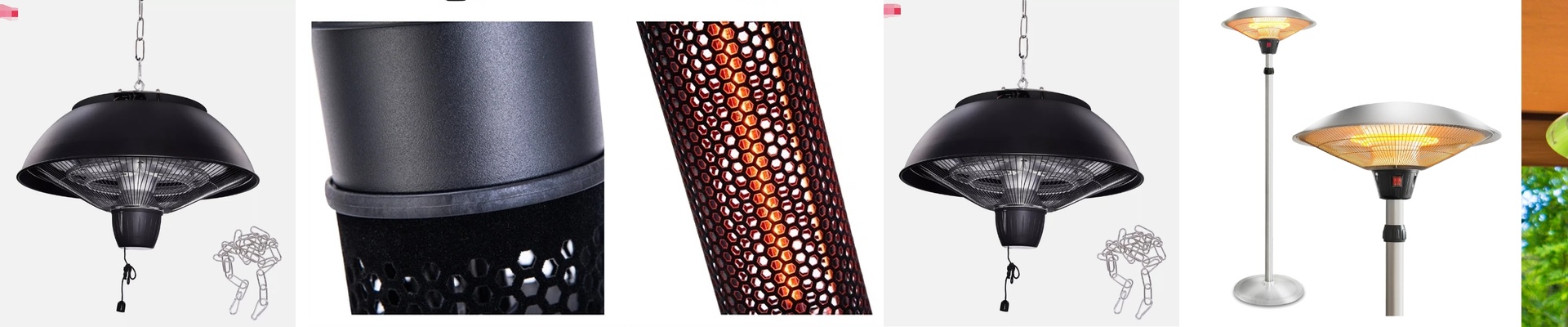
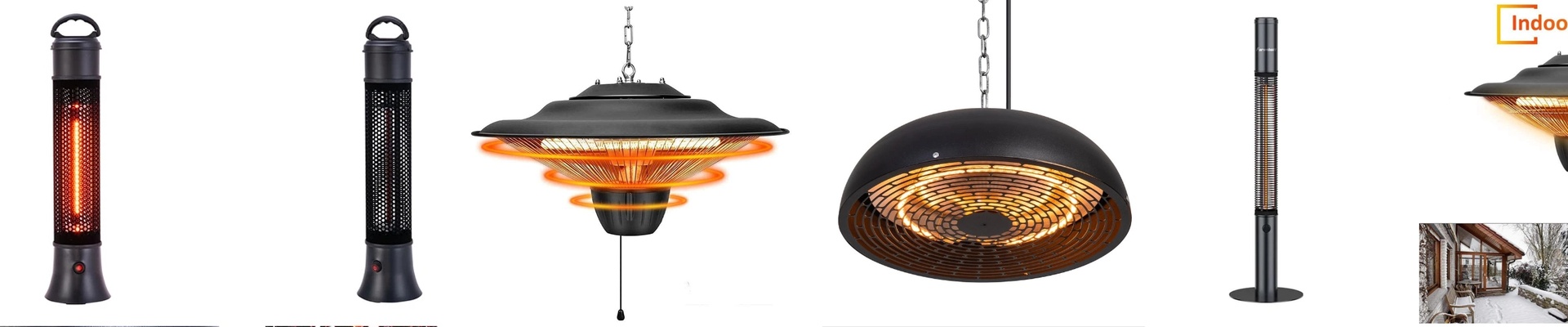
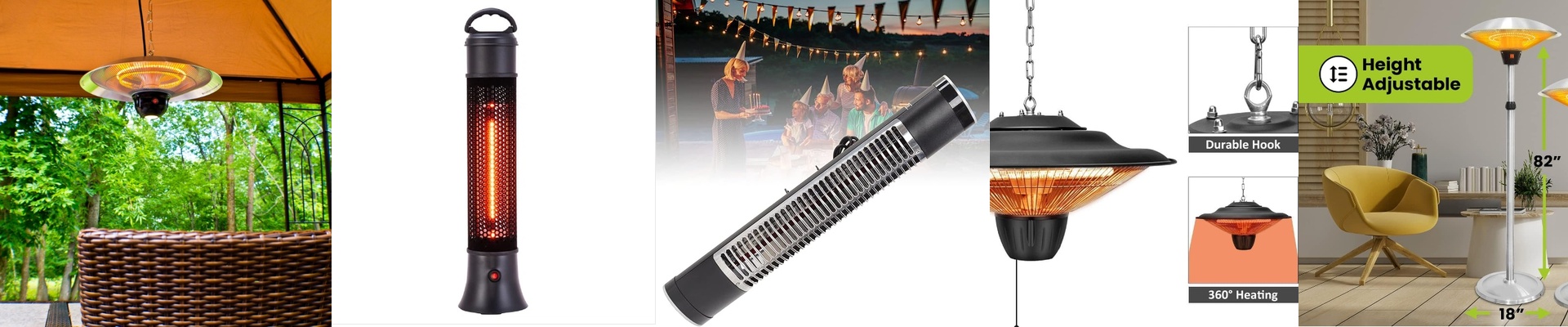
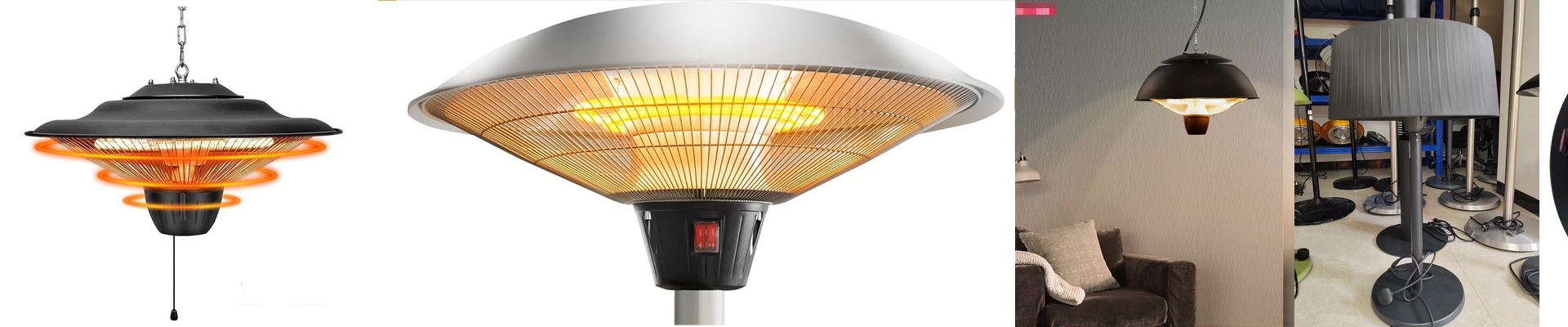
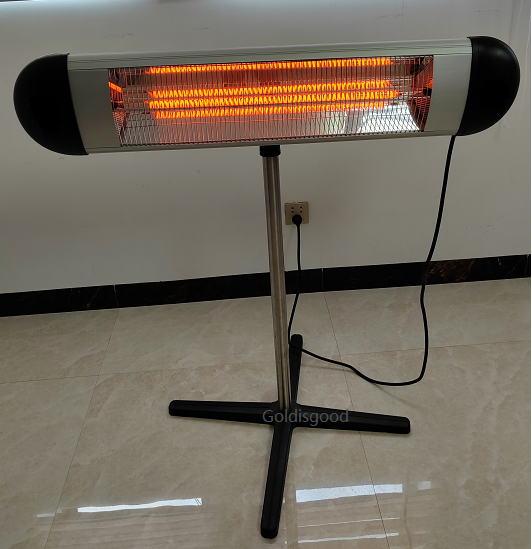
If you’ve ever put a standard infrared heater on a ceiling, you know the drill. They work great—until they don’t. Most of the time, it’s the environment that kills them. We see it all the time: a bit of condensation here, a random splash of water there, and suddenly you’ve got a short circuit or a cracked tube. It’s frustrating and, frankly, a waste of money. That’s why we decided to build some real-world protection into our latest lineup. The battle with moisture Here’s the thing about high-humidity spots. When that freezing air hits a hot heater, moisture clings to the quartz glass. It looks like a simple fog, but it’s actually a silent killer. Those tiny water droplets create “thermal shock.” The glass expands and contracts in weird ways, leading to micro-cracks. Eventually? The tube just snaps. To fix this, we added a hydrophobic coating to the emitter. Think of it like a rain-repellent for your windshield. Instead of pooling and causing trouble, the water just beads up and rolls right off. It keeps the heat steady and stops the glass from wearing out. Keeping the electronics dry Then there’s the wiring. Most burnouts happen because water sneaks into the connection points. We didn’t want to just “hope” it stayed dry. We beefed up the housings with heavy-duty seals and gaskets. We focused specifically on the wiring terminals and the reflector housing—the spots where water loves to hide. Now, the electrical junctions are locked down. You can put these in damp environments and not spend your afternoon worrying if the breaker is going to trip. The honest trade-off I’ll be straight with you: adding these layers of protection means the unit isn’t “naked.” Because of that extra shielding, the heater might take a tiny bit longer to reach full blast—maybe a 2-3% difference in ramp-up speed. You probably won’t even notice it. But you will notice that you aren’t climbing a ladder to replace burnt-out tubes every six months. Just wire it up, mount it high, and let the seals do the dirty work.