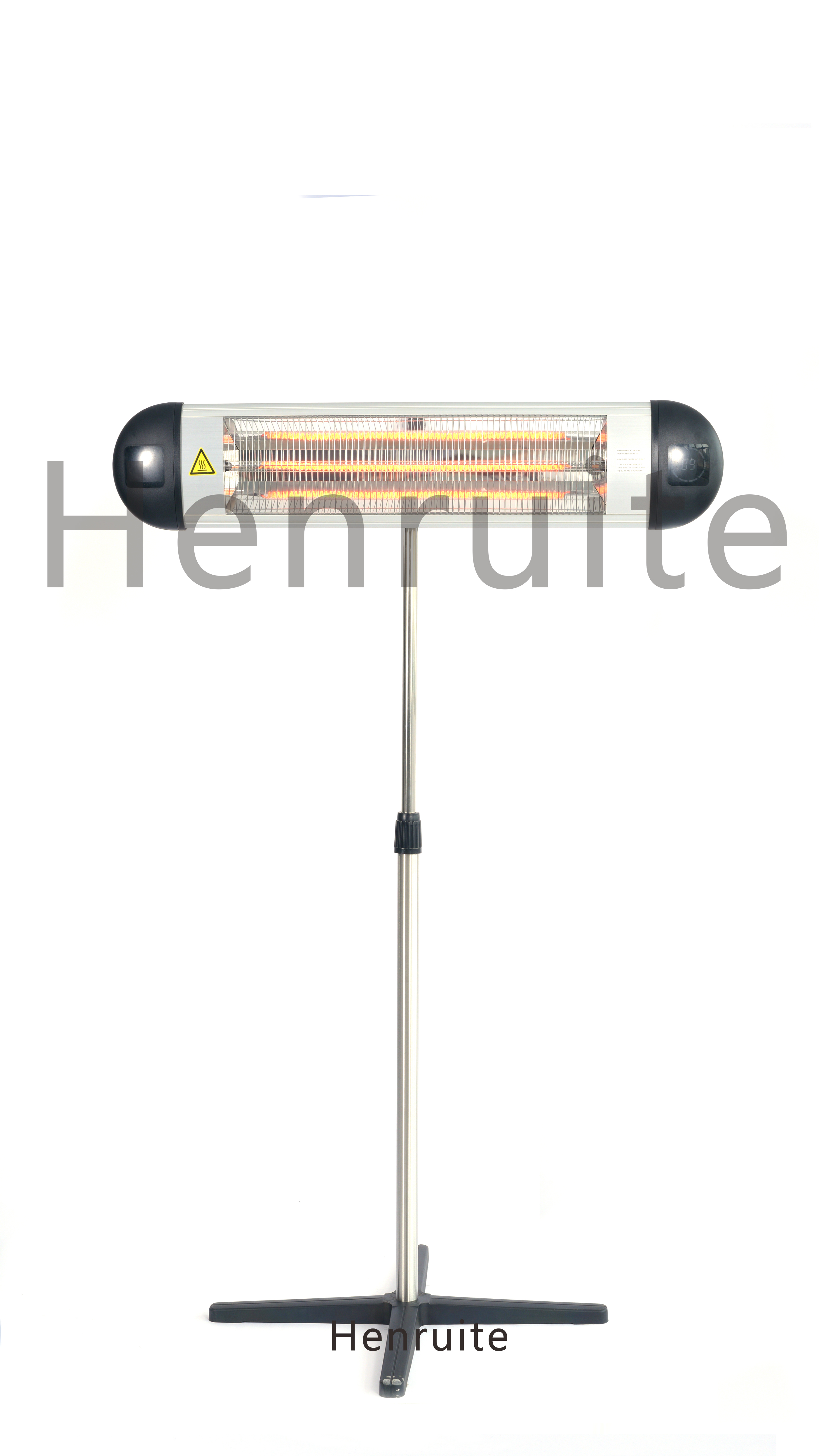
Why we put our bathroom lamps through a “steam torture test”
Let’s be honest: bathrooms are a nightmare for electronics. Between the sudden spikes in humidity and the constant clouds of steam, it’s basically a swamp in there. If a heating lamp isn’t built specifically for that environment, the seals give out, the filament rusts, and the whole thing dies in a few weeks. We aren’t interested in guessing if a batch is “good enough.” That’s why we put every single one through damp-heat aging tests. We basically try to kill the lamps in the lab so they don’t die in your customer’s ceiling.
The battle against moisture
Here is how it actually works. Most of these heaters use quartz glass and tungsten filaments. The real danger zone? The seal where the wires enter the glass. In a steamy bathroom, water vapor is constantly trying to sneak through that tiny gap. Once a bit of moisture hits that white-hot filament, it’s game over. The wire oxidizes, thins out, creates a hot spot, and then—snap. To stop this, we throw our lamps into chambers with 95% humidity and swing the temperatures back and forth. If there’s even a tiny leak in the vacuum seal, the lamp fails. Simple as that.
The trade-off
Now, keeping moisture out isn’t free. We use reinforced quartz and specialized sealing compounds to lock everything down. Does this change things? A little. It adds to the cost, and the lamp might take a fraction of a second longer to warm up compared to a cheap industrial tube. But in a bathroom? That’s a trade you’ll make every single time. I’d rather wait half a second for heat than have to rip a fixture out of the ceiling to replace a burnt-out bulb.
What this means for your project
When you’re picking out heaters, don’t just look at the wattage. Check if the seals are actually rated for high-moisture areas. A lamp that’s survived our aging tests won’t flicker or pop the moment someone turns on the shower. It just works. You get a steady, reliable heat that lasts for thousands of hours, no matter how much steam is filling the room.