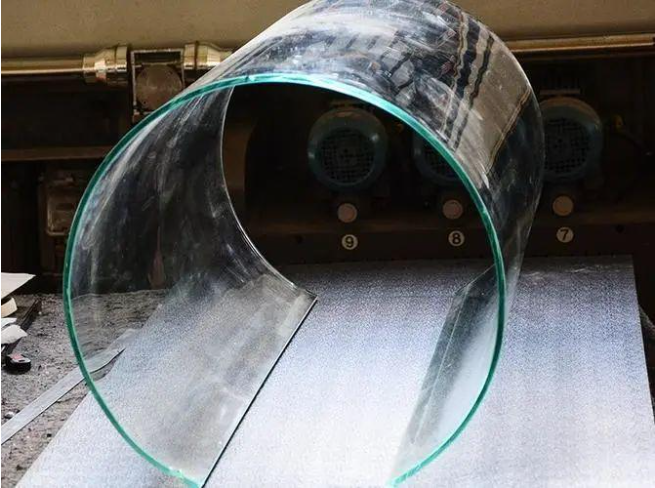
Getting Train Window Glass Right: The Struggle with Long-Length IR Heating
If you’ve ever dealt with train window glass, you know the nightmare of spontaneous breakage. It usually comes down to stress. If the glass isn’t annealed perfectly, it’s just a ticking time bomb. But here’s the problem: when you’re dealing with these massive, oversized panes, your standard off-the-shelf heating lamps just don’t cut it. You can’t have “mostly hot” glass. You need a consistent, steady heat profile across the entire surface. That’s why we build custom infrared units that stretch past 2 meters. They’re designed specifically for those long tunnel kilns where precision is everything.
The Headache of Length
Most IR lamps hit a wall at a certain length. Why? Because the filaments start to sag and the voltage drops. It’s a physics problem. To get past that 2-meter mark, we get picky about the internal filament winding and the thickness of the quartz tube. We make sure they can handle the heat without warping. We also set them up in a continuous layout. This is the secret sauce. It kills off those annoying cold spots you get when you just line up a bunch of shorter lamps. If the center of your glass dips in temperature for even a moment, your whole annealing cycle is shot.
The Nitty-Gritty Stuff
We spend a lot of time obsessing over the wattage-per-centimeter ratio. It’s a balancing act. You don’t want the ends of the tube burning out while the middle is barely lukewarm. And then there’s the wear and tear. Tunnel kilns are brutal—constant heating and cooling means everything is expanding and contracting. We use heavy-duty connectors so your wiring doesn’t just fatigue and snap after a few months. One heads-up on the power side: running several 2-meter units pulls a lot of current. A lot. Double-check your power cabinets and cabling. You don’t want to be the person who trips the breakers right in the middle of a ramp-up.
Making it Work in the Tunnel
In a typical train window line, the glass crawls through the kiln. Our layout makes sure it hits that “soaking temperature” evenly, no matter where it is in the tunnel. Depending on what you’re after—deep penetration or just surface heat—we can tweak the emitter coating to shift the wavelength. Just a word of caution: if you crank up the heat density, make sure your cooling fans can actually handle the reflected heat. Otherwise, you’re just going to fry your sensors.